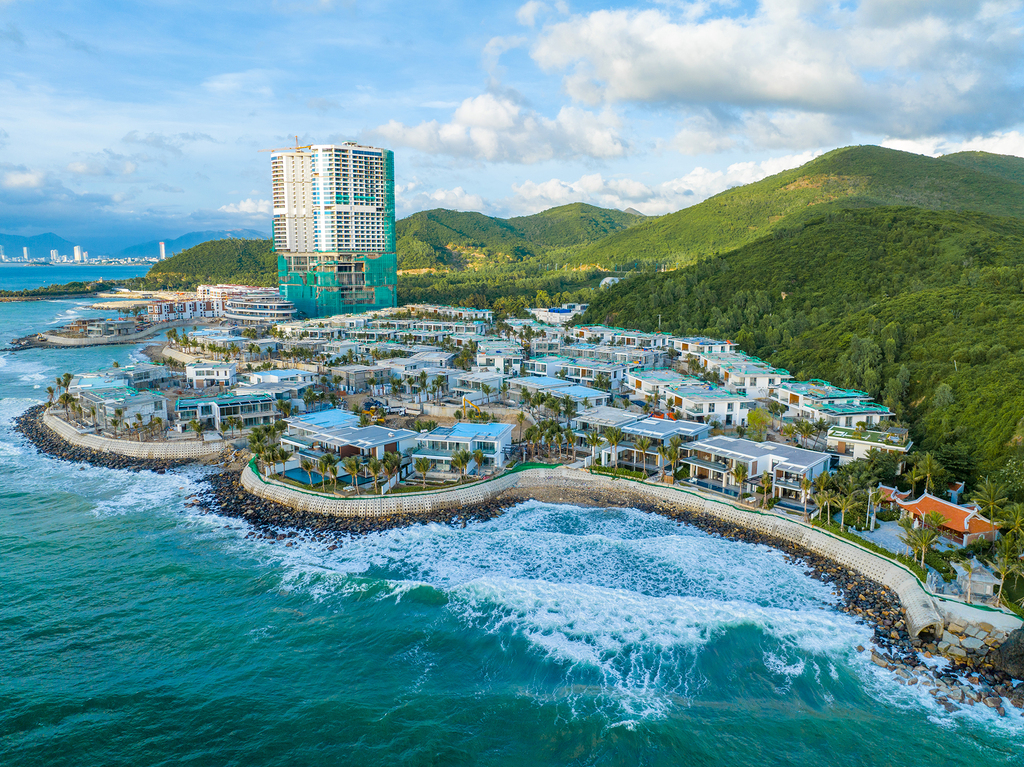
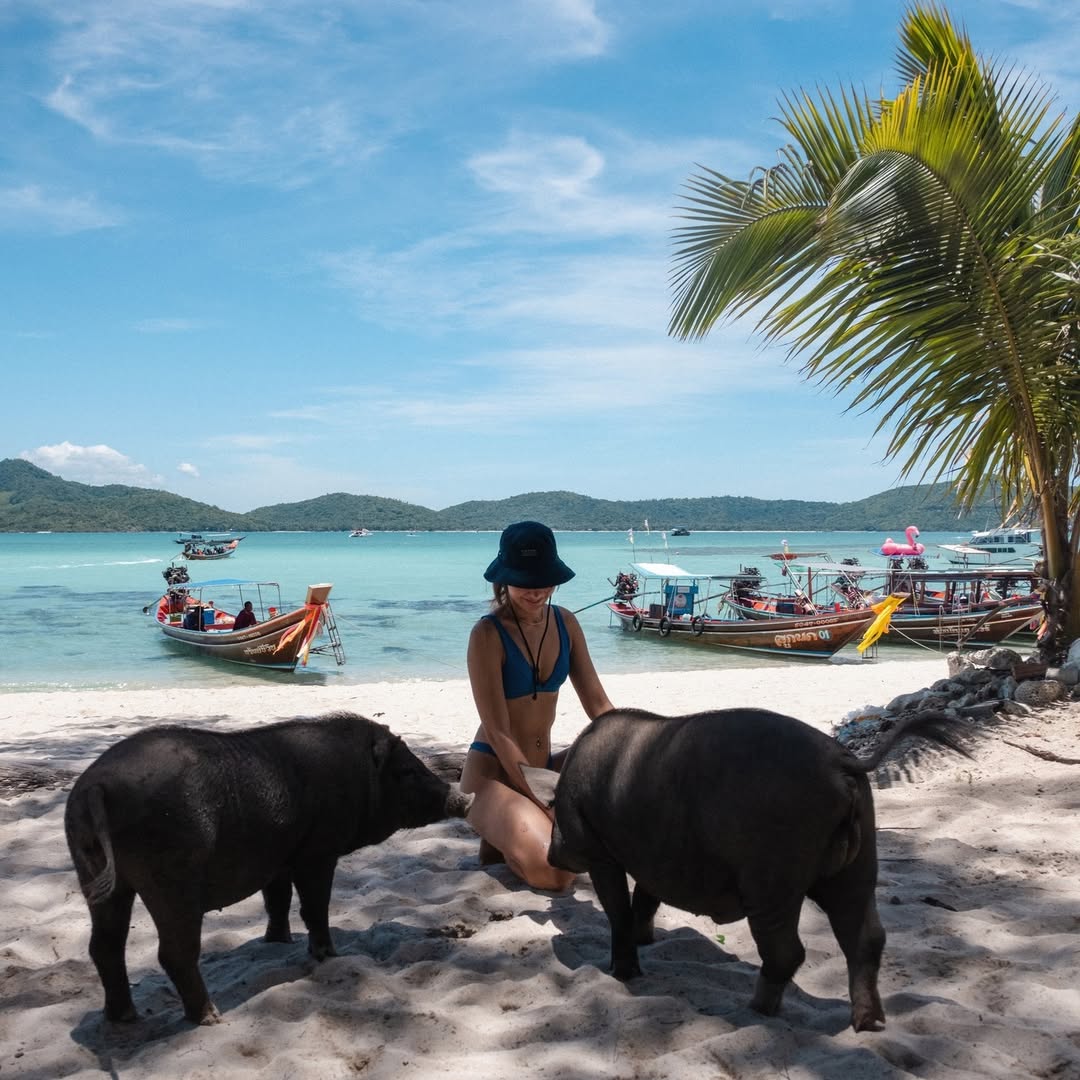
Nha Trang costs about 11 to 18 USD a day on a budget, 46 to 54 USD mid-range, and over 150 USD a day for a luxury stay with resorts and island boat tours.
How many days in Nha Trang you need depends on how much of the coastline you want to cover, but grouping sights by area on the same day cuts down on taxi fares and saves you from crossing the city twice either way. The city splits into 3 workable zones: Central, North, and the outskirts.
Central covers the beach, the market, and the museum. North holds the Cham towers and the rock promontory. The outskirts cover the waterfalls, island boats, and the road toward Cam Ranh.
The Alexandre Yersin Museum, in the Central zone, costs a small entry fee and takes about 45 minutes to an hour to see properly, which makes it an easy add-on to a beach morning rather than a half-day trip on its own.
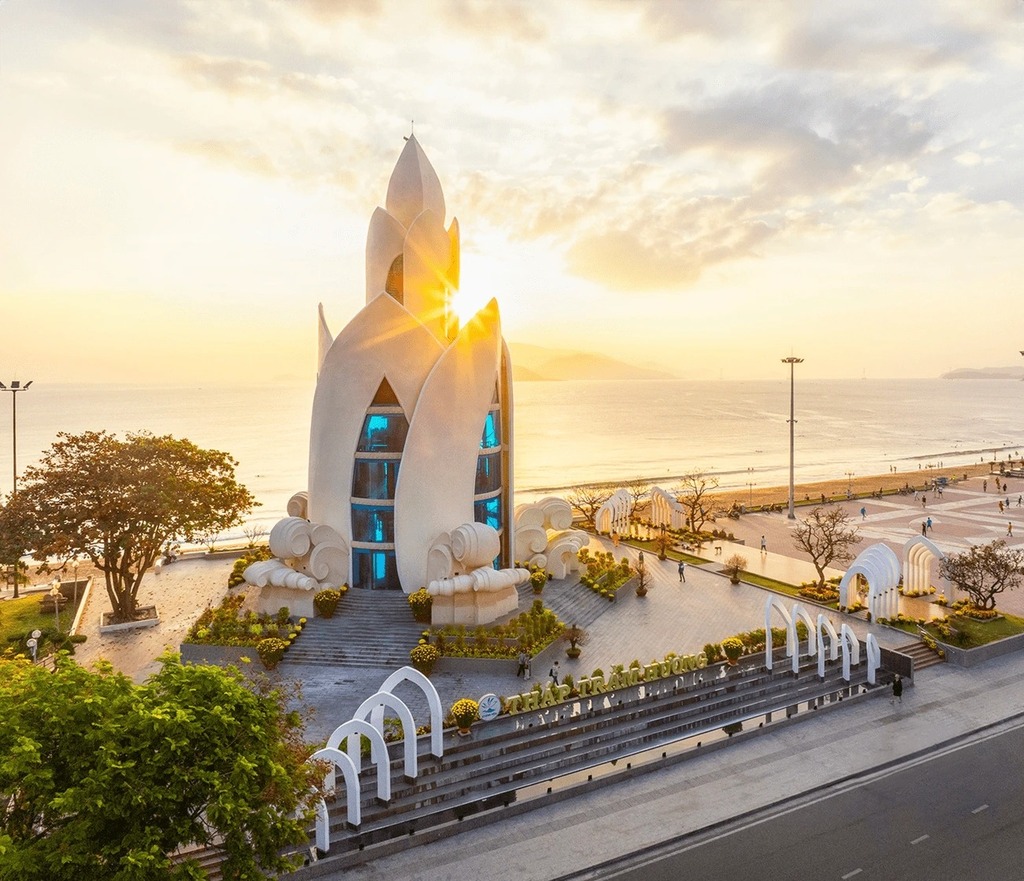
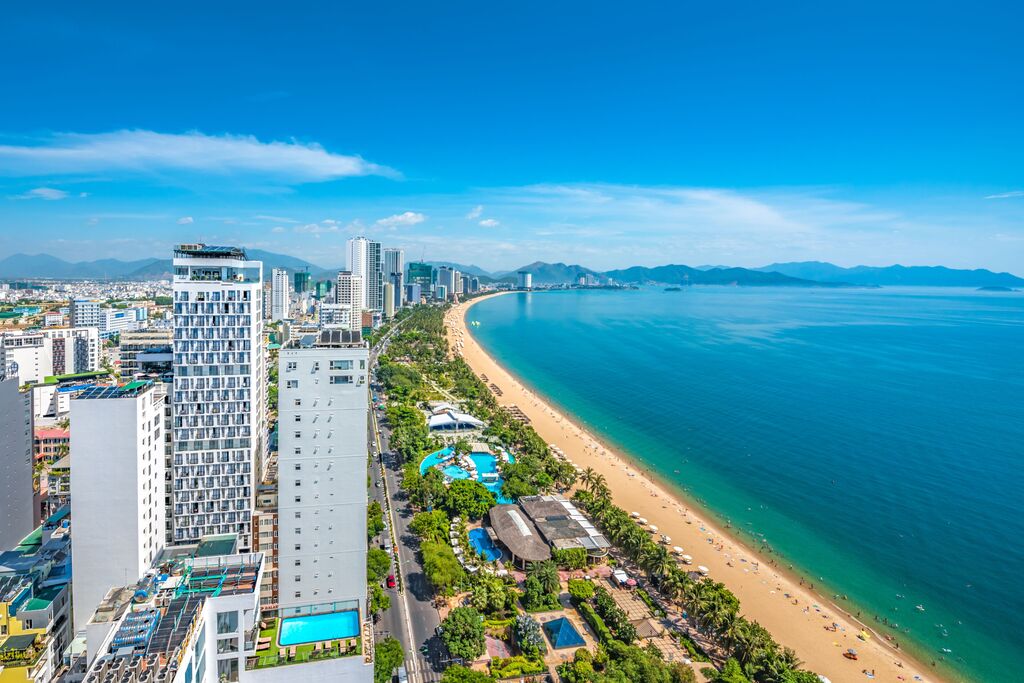
Start at Po Nagar Cham Towers by 8:00 AM, before the heat and the tour buses arrive, then walk or Grab the short distance to Hon Chong Promontory for the coastal rock formations and the view back toward the city. By late morning, head to Tran Phu Beach for a swim, then Dam Market nearby for a street-food lunch. Spend the afternoon at the Alexandre Yersin Museum or Long Son Pagoda, both in the Central zone, before finishing at a seafood restaurant or the night market as the city cools down.
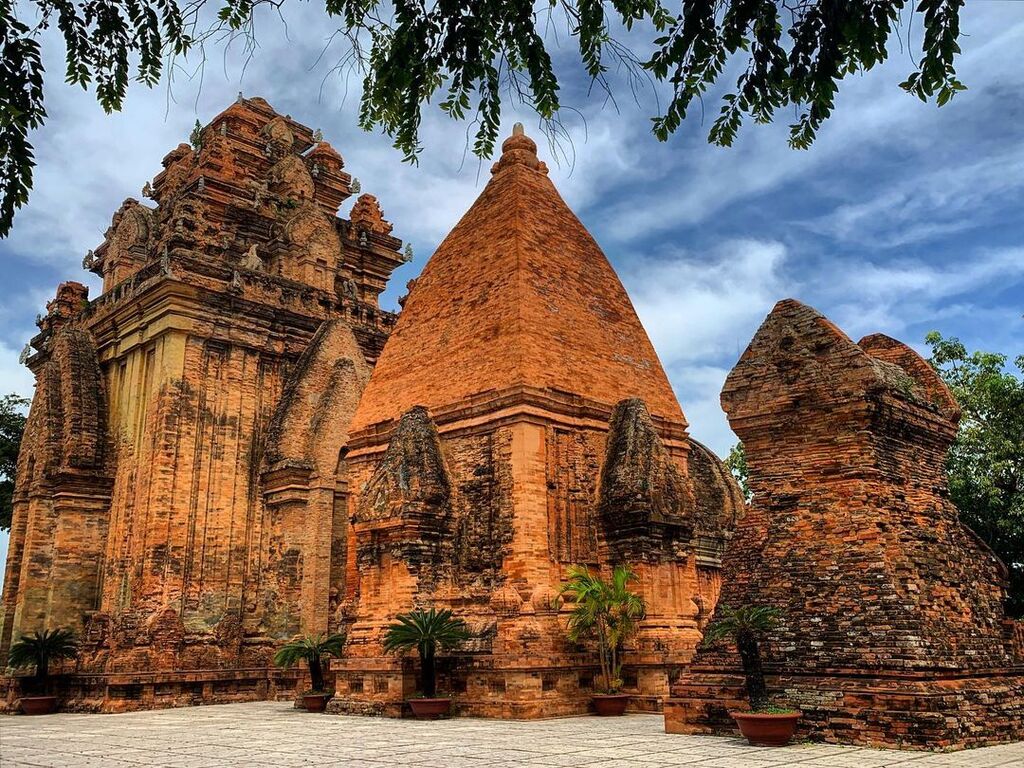
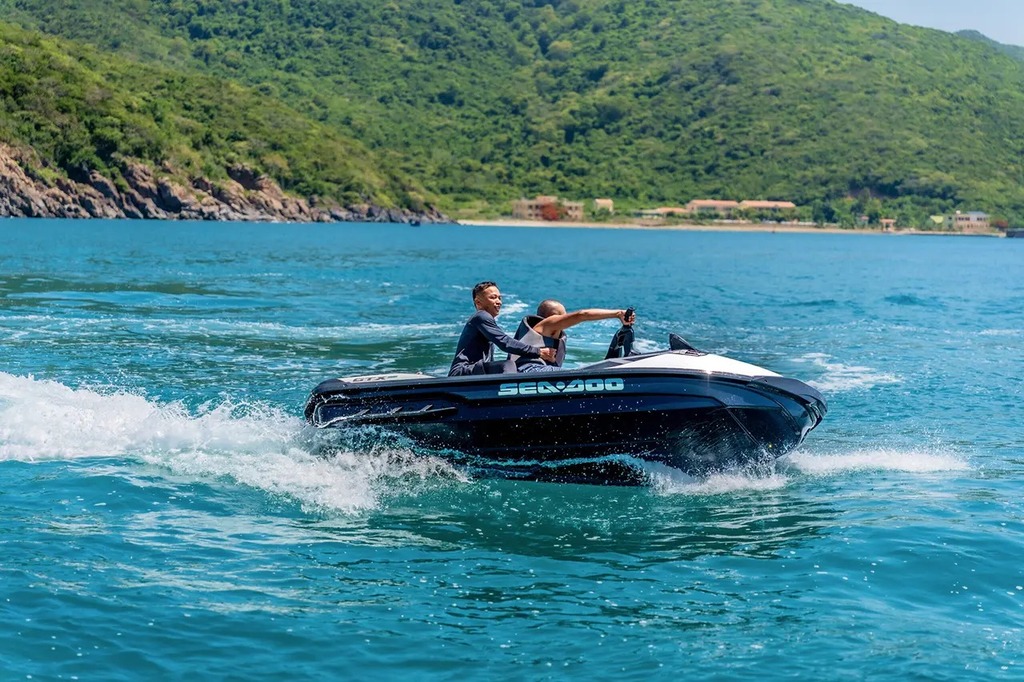
Day 1 covers the Central and North zones from the 1-day plan above: Po Nagar Towers, Hon Chong Promontory, Tran Phu Beach, and an evening at the night market. Day 2 is an island day, either snorkeling at Hon Mun Island or a Thap Ba mud bath session, both usually booked as a half-day or full-day tour rather than arranged independently.
Day 3 heads out of the city to Ba Ho Waterfall for a swim under the falls, then back via Truong Son Craft Village in the afternoon. We tell most first-time visitors to put the waterfall day last, since it needs the most driving time and works better once you already know how the city's traffic patterns move. For island trips, picking an operator whose boats carry no more than 15 people tends to mean calmer water and healthier coral to actually see.
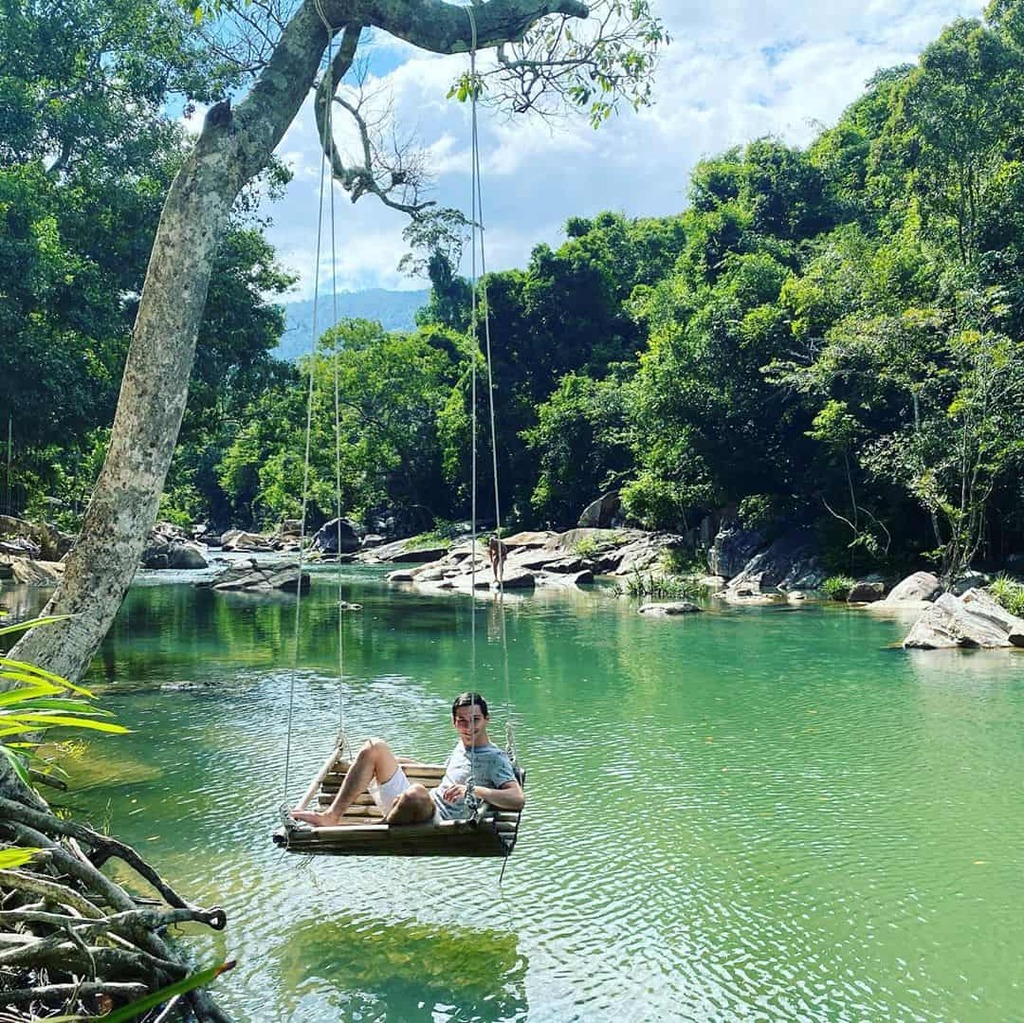
A Nha Trang daily budget runs about 11 to 18 USD on a tight budget, 46 to 54 USD for a mid-range trip with a private room and a few paid activities, and past 150 USD a day once resort stays and private boat charters enter the picture.
Nha Trang cost per day ultimately depends on which of these 3 tiers your room and activities fall into, and the table below breaks each one down by item rather than just a single daily number.
| Item | Budget | Mid-range | Luxury |
|---|---|---|---|
| Room per night | 100,000-180,000 VND ($4-7) dorm | 250,000-450,000 VND ($10-18) private room | From about 1,500,000 VND ($58) resort |
| Meals per day | Street food, 90,000-160,000 VND ($3.60-6.40) | Mixed, 200,000-350,000 VND ($8-14) | Resort dining, 500,000 VND ($19) and up |
| Local transport | Grab bike, 20,000-40,000 VND ($0.80-1.60) a ride | Grab car, 50,000-90,000 VND ($2-3.60) a ride | Private car or hotel transfer |
| Activities | Free beach and walking | 1 paid activity, about 300,000 VND ($12) | Private boat charter or spa day |
Sources: vietnamtourism.com's "Nha Trang on a budget: real daily costs in 2026," checked October 2026.
A walk along Tran Phu Beach costs nothing and works at any time of day, while Long Son Pagoda asks only for modest dress and a small donation if you choose to give one. Street food in the Dam Market area runs 30,000 to 60,000 VND ($1.20 to $2.40) a dish, and an afternoon at Truong Son Craft Village to watch artisans work costs little beyond the entry fee.
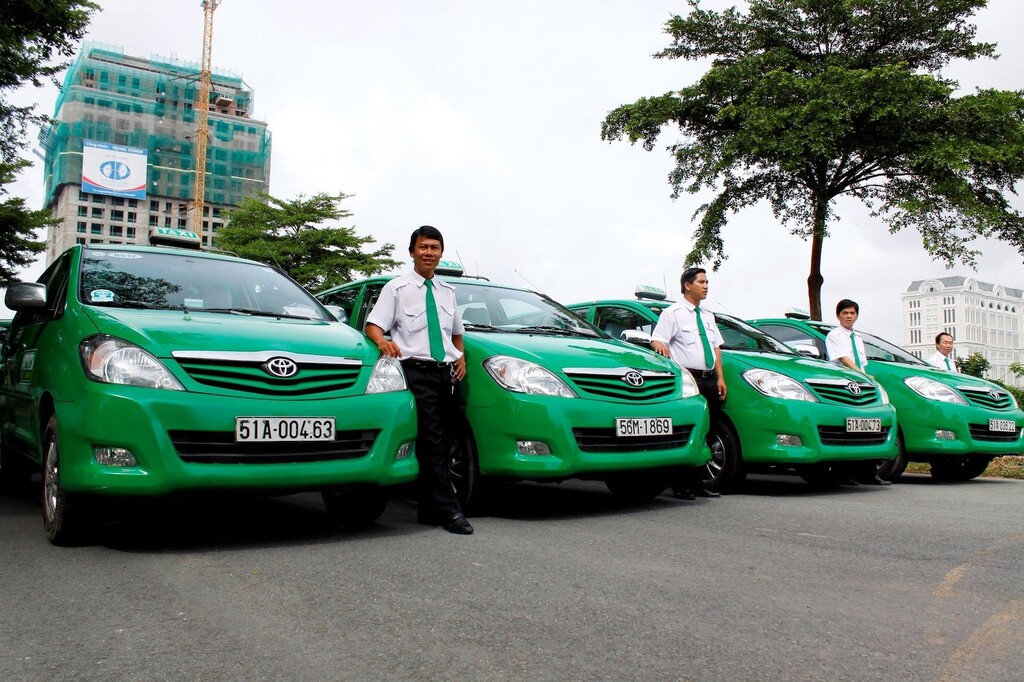
Grab is the most predictable option for both bikes and cars, since the fare is fixed before you get in, and metered taxis from Mai Linh or Vinasun are the safer choice if Grab isn't available, since their meters are regulated and checkable. An unmetered taxi that quotes a flat fare before the ride, especially near the beach or the night market, is the easiest way to overpay, so agreeing to a meter or a Grab booking upfront avoids the argument entirely. Our guide to Vietnam's currency covers how to spot counterfeit notes and what small bills to keep on hand for exactly this kind of cash transaction.
Best visited during dry season (November to April) for ideal weather.
Book accommodations in advance during peak travel season.
Carry local currency (Vietnamese Dong) for markets and small vendors.
Respect local customs and dress modestly when visiting temples.
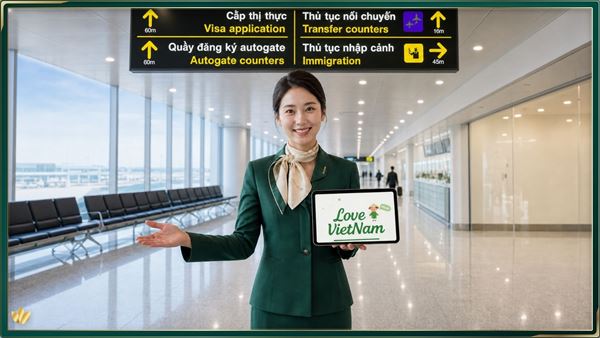
Noi Bai International Airport, Hanoi
A Sondax host meets your group inside Terminal 2 at Noi Bai and walks you past the queue to the priority immigration lane.
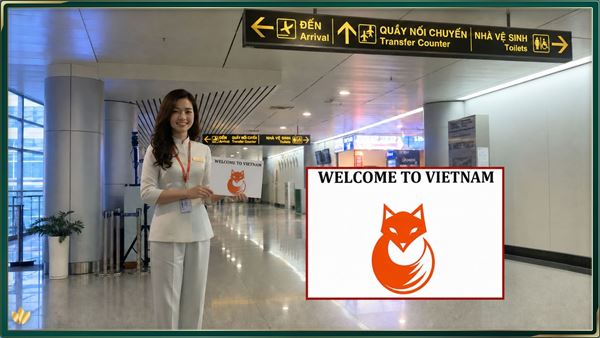
Tan Son Nhat, Ho Chi Minh City
A Sondax host meets your group inside the terminal at Tan Son Nhat and walks you straight to the priority immigration lane.
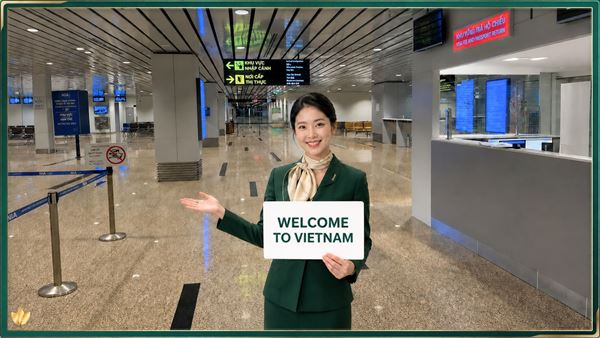
Cam Ranh International Airport, Nha Trang
A Sondax host meets your group inside Terminal 2 at Cam Ranh and takes you to the priority immigration lane, arrival or departure.

Da Nang International Airport, Da Nang
A Sondax host meets your group inside the international terminal at Da Nang and walks you to the priority immigration lane.

Phu Quoc International Airport, Phu Quoc
A Sondax host meets your group inside Terminal 2 at Phu Quoc and walks you to the priority immigration lane, on arrival or departure.