Most travelers miss the quiet northern end of Sao Beach, settling instead for the busiest 20-kilometer stretch of Long Beach. Choosing where to stay dictates whether your trip feels like a secluded escape or a crowded theme park, and transport logistics can quickly drain a budget. This guide fixes both.
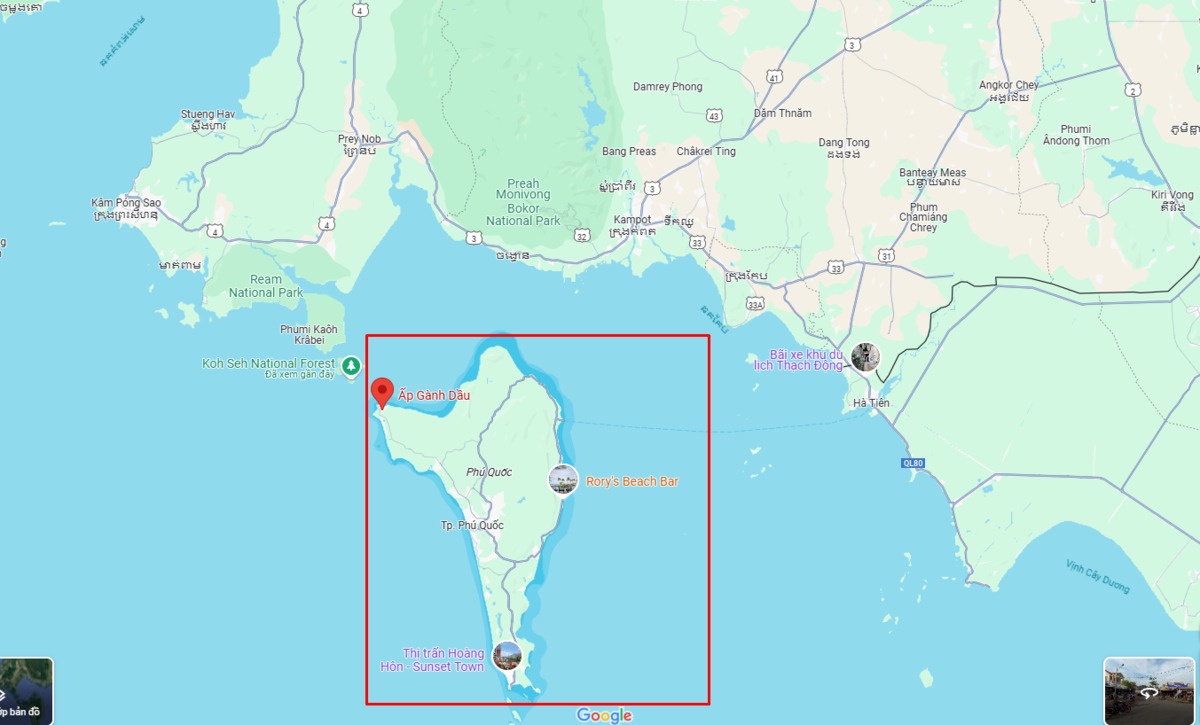
Phu Quoc Island, Vietnam's largest island, spans 574 square kilometers in the Gulf of Thailand, positioning it closer to the Cambodian coastline than the Vietnamese mainland. It draws international attention for its white-sand coastline, notably the heavily developed 20-kilometer stretch of Long Beach (Bai Truong) and the powdery eastern shores of Sao Beach (Bai Sao). Beyond the sand, the island contains a UNESCO Biosphere Reserve covering over 31,000 hectares of primary tropical forest and marine ecosystems. This protected zone occupies more than half of the northern landmass, sheltering macaques, hornbills, and rare native orchids.
Agricultural exports also drive the local economy and shape the culinary landscape. Traditional barrel houses produce Phu Quoc Fish Sauce, the first Vietnamese product to receive a Protected Designation of Origin in the European Union. High-quality black pepper plantations dot the central interior, yielding a pungent spice highly sought after by global chefs. In the southern waters, offshore pearl farming operations generate high-value commercial yields, allowing you to observe the extraction process directly on the floating platforms.
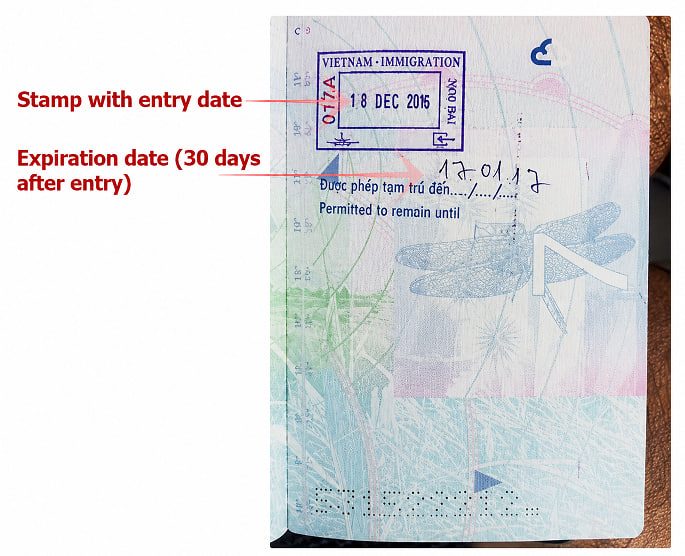
Phu Quoc offers a special 30-day visa-free entry for all nationalities. You qualify for this exemption provided you fly directly into Phu Quoc International Airport (PQC) from an international destination, or transit through a mainland Vietnam airport on the same calendar day without leaving the international transit area. Your passport must have at least six months of validity remaining from your date of entry and contain at least two blank pages. If you plan to stay beyond 30 days, or if you intend to board a domestic flight to mainland destinations like Ho Chi Minh City or Da Nang, you must apply for a standard Vietnamese e-visa before arriving.
(1).jpg)
The optimal time to visit Phu Quoc Island falls during the dry season, spanning from November to April. You will experience minimal rainfall, calm seas, and average daily temperatures hovering between 25°C and 30°C. These months provide clear visibility up to 20 meters for snorkeling around the An Thoi archipelago and safe conditions for walking out to the Dinh Cau Rock Temple at sunset.
Expect peak hotel rates and heavily populated beaches around late December and January. The wet season runs from May to October, bringing heavy monsoon downpours, rough offshore waves, and washed-up debris on western beaches. Travel during this time requires flexible planning, as the coast guard frequently cancels boat tours during sudden squalls.
| Season | Average Temp | Precipitation | Best for | Watch out for |
|---|---|---|---|---|
| Dry Season (Nov-Apr) | 25-30°C | Low (30-50mm/month) | Snorkeling, island hopping | Peak hotel pricing, crowded beaches |
| Wet Season (May-Oct) | 26-31°C | High (up to 400mm/month) | Waterfalls, budget travel | Rough seas, canceled boat tours |
| Shoulder Season (Late Oct, Early May) | 26-30°C | Moderate (150mm/month) | Discounted luxury stays | Unpredictable sudden storms |
.jpg)
Costs on Phu Quoc vary significantly based on your accommodation zone and travel style. Budget travelers can secure standard guesthouse rooms with air conditioning in Duong Dong town for $20 to $50 USD per night. Mid-range boutique hotels along the busy Long Beach strip typically average $70 to $150 USD, often including breakfast buffets and shared pool access.
High-end luxury resorts in the southern An Thoi area frequently exceed $200 USD per night, with private cliffside villas reaching $500 USD or more. Your daily expenses, encompassing food, transport, and minor entrance fees, range from $30 to $100 USD per person depending on your dining preferences.
.jpg)
.jpg)
Stay connected by purchasing a physical Vietnamese SIM card from providers like Viettel or Vinaphone at the airport arrivals terminal. Expect to pay around $10 to $15 USD for a tourist package offering 2GB to 4GB of daily data. Wi-Fi functions well in modern resorts and cafes but drops off entirely once you enter the dense foliage of the National Park or board a boat to the southern islands.
📌 Insider note:
Buy a Viettel tourist eSIM online before landing; it offers the strongest signal coverage on the southern islands. Grab and Gojek operate reliably in Duong Dong and the major resort strips, but you will wait up to 30 minutes for a driver if you hail a ride from the remote northern beaches.
.jpg)
You can reach Phu Quoc by sea from the mainland towns of Ha Tien or Rach Gia if you cross the border from Cambodia or travel through the Mekong Delta. Boats dock at Bai Vong Port on the eastern side of the island. Book tickets a day in advance during the dry season to guarantee a seat.
| Departure Port | Duration | Adult Fare in USD | Recommended Operators |
|---|---|---|---|
| Ha Tien | 1 hour 15 minutes | $10 - $14 | Superdong, Phu Quoc Express |
| Rach Gia | 2 hours 30 minutes | $14 - $18 | Superdong, Phu Quoc Express |
.jpg)
📌 Insider note:
If you fly with Sun PhuQuoc Airways, you can check in your luggage directly at the La Festa Phu Quoc Curio Collection hotel in Sunset Town. This allows you to explore the southern coast unburdened before heading to the airport.
.jpg)
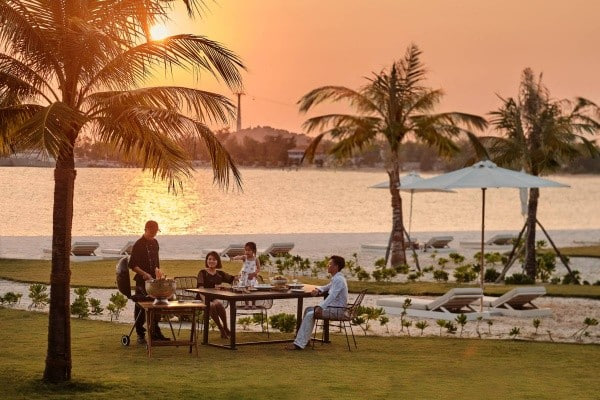
Navigating a 574-square-kilometer island requires grouping your stops to avoid wasting hours in traffic. Follow this three-day breakdown to minimize transit times.
.jpg)
Phu Quoc's primary attractions span natural reserves and structured entertainment zones. The 31,000-hectare Phu Quoc National Park dominates the northern interior, offering protected hiking paths and specialized bird-watching zones. Cultural heritage sites include the Phu Quoc Prison (Coconut Tree Prison), a stark historical facility in the south detailing the brutal conditions held during the Vietnam War. Visitors seeking modern infrastructure flock to the world's longest three-way cable car on Hon Thom, the 24-hour commercial district of Grand World Phu Quoc, and the art installations planted directly in the sand at Sunset Sanato Beach Club.
.jpg)
The National Park features miles of unpaved trails best tackled on a dirt bike. Closer to civilization, Suoi Tranh Waterfall provides a gentler jungle walk just 10 minutes east of Duong Dong. The water flows heaviest from May to October, turning into a slight trickle by March.
📌 Insider note:
The entrance to Suoi Tranh Waterfall feels like a dated theme park with concrete animal statues, causing many to turn back. Push past this area for 15 minutes to reach the actual jungle trail, and apply heavy DEET mosquito repellent before stepping into the tree cover.
.jpg)
The northern tip houses massive, fabricated attractions built for mass tourism. VinWonders operates as Vietnam's largest theme park, complete with high-speed roller coasters and an expansive water park. Adjacent to it, Vinpearl Safari functions as the country's first open-air wildlife conservation park, housing thousands of animals across 380 hectares.
📌 Insider note:
Arrive at Vinpearl Safari right at 9:00 a.m. to secure a spot on the safari bus before the midday heat drives the lions and rhinos into the shade. Check the free return shuttle bus schedule immediately upon arrival, as evening buses fill up fast.
.jpg)
You can take a metered taxi or book a Grab car for the 10-kilometer drive, which takes about 15 minutes. Expect to pay between $6 and $8 USD. Several mid-range and luxury hotels also operate scheduled complimentary shuttle vans directly from the arrivals terminal.
A basic bowl of local noodles or a street food sandwich costs roughly $2 to $4 USD. Mid-range sit-down restaurants charge $8 to $15 USD for grilled seafood dishes. Five-star resort dining typically starts at $30 USD per person, excluding imported wine or craft cocktails.
Tap water in Phu Quoc is not safe for human consumption. You must drink bottled or heavily filtered water during your stay. Most hotels provide two complimentary glass bottles of purified water daily, and local convenience stores sell 1.5-liter plastic jugs for under $1 USD.
The water averages a warm 28°C, offering clear visibility ranging from 10 to 20 meters between November and April. You will navigate shallow coral reefs surrounding Gam Ghi island, spotting cuttlefish, butterflyfish, and blue-ringed angelfish. The currents remain mild, making it accessible for novice swimmers.
Cash remains the primary payment method for street food stalls, local markets, and small scooter rental shops. Luxury resorts, modern supermarkets, and high-end restaurants in Duong Dong accept Visa and Mastercard, but they often pass a 3% international transaction surcharge directly onto the final customer bill.
ảnh CTA
---Related Articles---
Best visited during dry season (November to April) for ideal weather.
Book accommodations in advance during peak travel season.
Carry local currency (Vietnamese Dong) for markets and small vendors.
Respect local customs and dress modestly when visiting temples.