

You may have the language kit covering many aspects of travelling like at the immigration office or for urgent cases. You can also print out PDF file to bring them with you.
You are planning to Vietnam but barely speak Vietnamese? From my experience, I have also traveled to many non-English speaking countries knowing only a few basic phrases, but I've picked up some phrases that would help, especially for solo traveller.
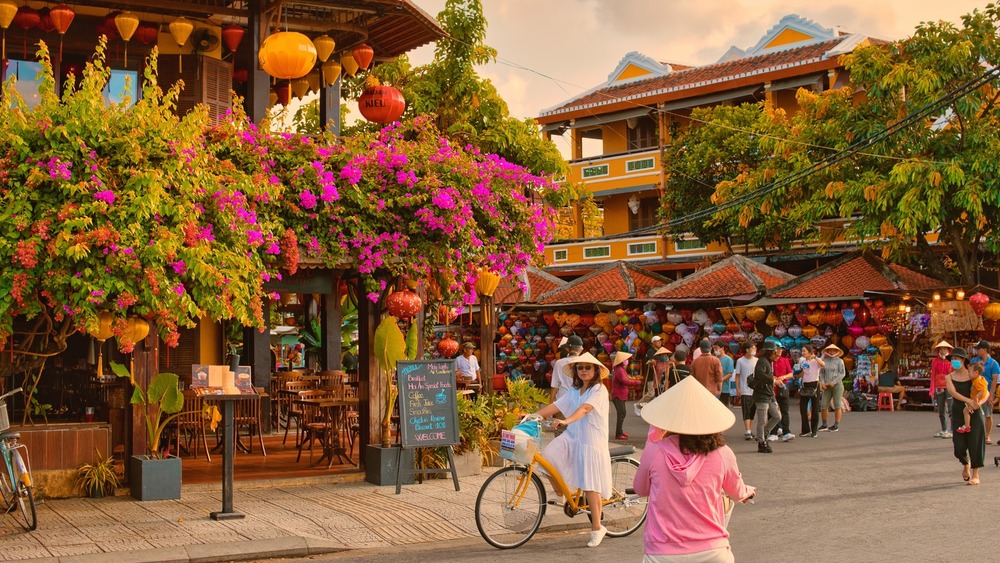
While Vietnamese people can often speak basic English in tourist areas, you should still learn these phrases because not everyone knows English. This guide covers useful Vietnamese phrases for different travel situations, from saying what you need at the airport to ordering food, asking for directions, taking photos, and dealing with emergencies.
You can always use a translation app when you have an internet connection or communicate by nonverbal language. But what happens when you have no signal, no Wi-Fi, or a dead phone battery?
That's why it is useful to save this guide offline or even print it and keep it with you while traveling around Vietnam
Vietnamese is a tonal language, meaning the pitch of your voice changes the meaning of a word entirely. Behind every word is a specific tone mark. Here is a quick table to help you understand the 6 tones in Vietnamese before you start speaking:
| Tone Name | Tone Mark | Description & Pronunciation Tip | Example |
|---|---|---|---|
| Level | None | Flat and steady voice, like singing a single note. | ma (ghost) |
| Deep | ` | Starts low and drops lower. Like saying "Ugh" in a sigh. | mà (but) |
| Sharp | ´ | Starts high and rises sharply. Like asking "What?!" | má (cheek/mother) |
| Asking | ʾ | Dips down and then goes up. Like a skeptical "Really?" | mả (tomb) |
| Tumbling | ~ | Starts high, breaks in the middle, and rises. | mã (horse/code) |
| Heavy | . (below) | Starts low and stops abruptly. Short and heavy. | mạ (rice seedling) |
- Yes, exactly, right: Đúng rồi, vâng ạ
Pronunciation: Doong zoy / Vung ah
Context: "Vâng ạ" is very polite and used with older people. "Đúng rồi" means "That is correct.", or you simply can say "OK".
- No: Không
Pronunciation: Khong
Context: A simple, direct "no", or you can shake your head.
- Excuse me...: Cho hỏi...
Pronunciation: Chaw hoir...
- Please: Làm ơn
Pronunciation: Lam un
- I don't know: Tôi không biết
Pronunciation: Toy khom bee-et
- Where is the toilet?: Toilet ở đâu? / Nhà vệ sinh ở đâu?
Pronunciation: Toilet uh dow? / Nya ve sinh uh dow?
Context: "Toilet" is widely understood, but "Nhà vệ sinh" is the local term.
- Is there anyone who can speak English?: Ở đây có ai nói được tiếng Anh không?
Pronunciation: Uh day caw eye noy duoc tieng Anh khom?
Context: Use when you cannot find any transalation help
- My name is....: Tên tôi là [your name]
Pronunciation: Ten toy la...
Context: Standard polite introduction.
Vietnamese get people's attention based on age relative to themselves.
- Chị ơi: To call an older woman. Chee uh-y
- Anh ơi: To call an older man. Anh uh-y
- Em ơi: To call a younger people in general. Em uh-y
- Bác ơi: To call older people, roughly 40+ years older than you. Bac uh-y

- I come to Vietnam for travel purposes: Tôi đến Việt Nam để đi du lịch
Pronunciation: Toy den Viet Nam de dee zoo lick
Context: Essential for immigration checks.
- I intend to stay ... days in Vietnam: Tôi sẽ ở Việt Nam [number] ngày
Pronunciation: Toy se uh Viet Nam ... ngay
Context: Often asked by border control. Hold up fingers for the number of days if needed.
- Where is the gate number...?: Cửa ra số [number] ở đâu?
Pronunciation: Cua za so ... uh dow?
Context: Crucial for navigating domestic transfers.
- Where is the fast track lane?: Làn đi nhanh ở đâu?
Pronunciation: Lan dee nhan uh dow?
Context: Useful at crowded airports like Noi Bai or Tan Son Nhat, or you are using fast track lane transfer
- I want to eat this with no meat: Tôi muốn ăn món này không thịt
Pronunciation: Toy muon un mon nay khom teet
- May I pay please: Cho tôi thanh toán / Tính tiền
Pronunciation: Chaw toy thanh toan / Tinh tien
- I want [number] portions of [food name]: Cho tôi [number] phần món [food name]
Pronunciation: Chaw toy ... phan mon ...
Context: Point at the menu and use this phrase, and use your finger to indicate the number
- Delicious!: Ngon
Pronunciation: Ngon
Context: Add "quá" (Ngon quá) to mean "Very delicious!" Chefs and vendors will love you for this.
- This food is not as I thought / tastes a bit strange: Món này ăn hơi lạ
Pronunciation: Mon nay un hoy la
Context: A polite way to say the food isn't to your liking without being rude.
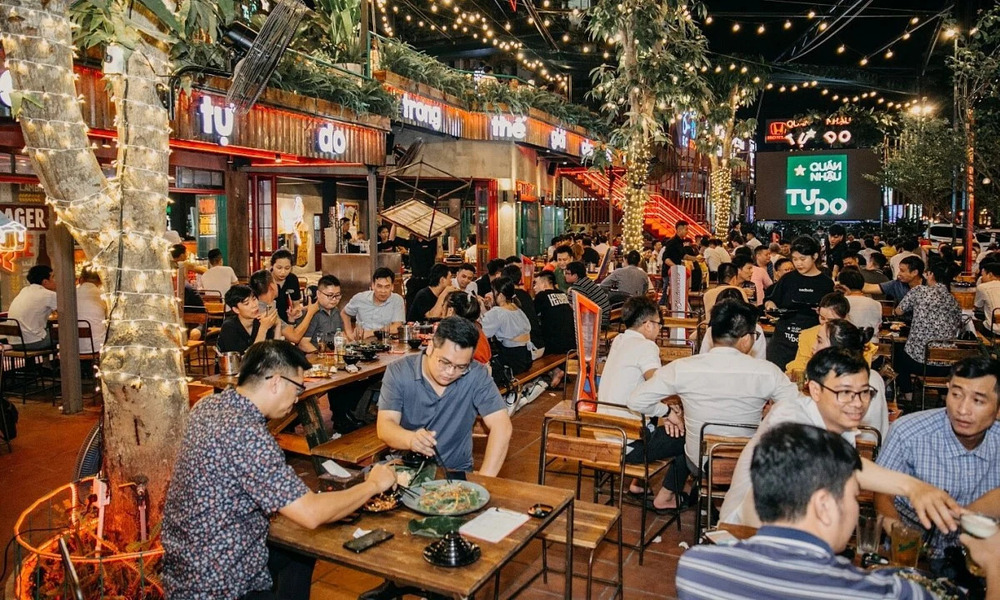
- How to go to [destination]?: Làm thế nào để đi đến [destination]?
Pronunciation: Lam the nao de dee den...
- I want to go to [destination]: Tôi muốn đi đến [destination]
Pronunciation: Toy muon dee den...
Context: Show this to your taxi or motorbike (xe ôm) driver.
- Is this the car/motorbike to go to [destination]?: Đây có phải là xe đi [destination] không?
Pronunciation: Day caw phai la xe dee ... khom?
Context: Ask this when your grab driver arrive, or when you hop on a bus.
- Is this the bus stop of [destination]?: Đây có phải điểm dừng của [destination] không?
Pronunciation: Day caw phai diem zung cua ... khom?
- Where is the ticket counter?: Quầy bán vé ở đâu?
Pronunciation: Quay ban ve uh dow?
- The car/motorbike has a flat tire: Xe bị xì lốp
Pronunciation: Xe bee see lop
Context: If you rent a scooter, this will help you get help from locals.
- The car/motorbike won’t start: Xe không khởi động
Pronunciation: Xe khom khoi dong
- Where is the gas station?: Trạm xăng ở đâu?
Pronunciation: Tram xang uh dow?
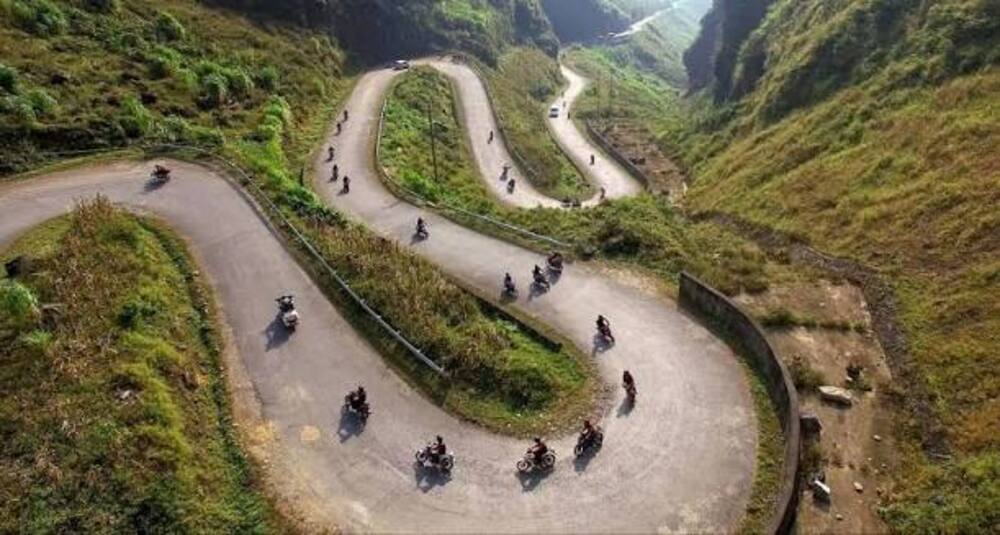
- Can you take a picture of me?: Bạn chụp ảnh giúp tôi được không?
Pronunciation: Ban chup anh zup toy duoc khom?
Context: Hand your phone to a friendly-looking local or tourist.
- Can you take a picture with me?: Bạn chụp ảnh với tôi được không?
Pronunciation: Ban chup anh voy toy duoc khom?
Context: If you want a selfie with a local or a tour guide.
- Where is the entrance gate?: Cửa vào chỗ này ở đâu?
Pronunciation: Cua vao cho nay uh dow?
Context: Attractions can be huge; this saves you walking time.
- Where is the exit gate?: Cửa ra chỗ này ở đâu?
Pronunciation: Cua za cho nay uh dow?
- Is it allowed to take pictures or videos here?: Trong này được quay phim chụp ảnh không?
Pronunciation: Trong nay duoc quay phim chup anh khom?
Context: Important for museums, government buildings, and religious sites.
- I have booked online, how can I get in now?: Tôi đã đặt vé trên mạng rồi, giờ tôi đi vào như nào?
Pronunciation: Toy da dat ve tren mang zoy, zyuh toy dee vao nhu nao?
Context: Show your e-ticket along with this phrase to the security guard.
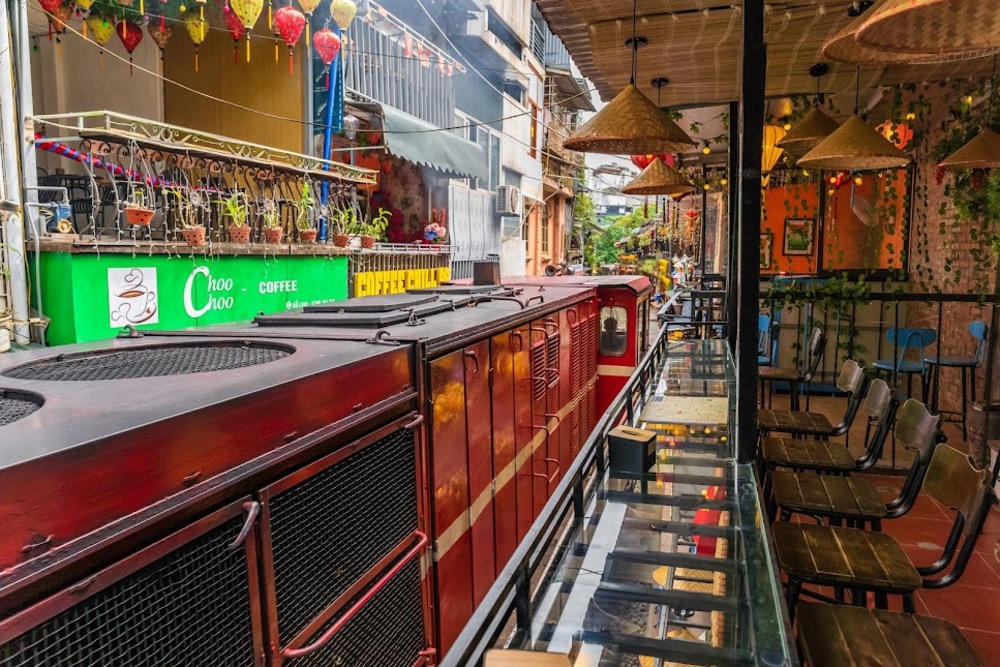
I recommend you to learn by heart those terms, because when those cases arrive, it is hard to use any translation app, or in very difficult positions.
- Where is the police station?: Đồn cảnh sát ở đâu?
Pronunciation: Don canh sat uh dow?
- I lost my stuff: Tôi bị mất đồ
Pronunciation: Toy bee mut do
- I’ve been robbed: Tôi bị cướp đồ
Pronunciation: Toy bee cuop do
- I cannot access the Internet, can you help me?: Tôi không dùng được internet, bạn xem có cách nào giúp tôi được không?
Pronunciation: Toy khom zoong duoc internet, ban xem caw cach nao zup toy duoc khom?
- Please help me to contact [your country] embassy: Xin hỗ trợ tôi liên hệ đại sứ quán [your country]
Pronunciation: Sin ho cho toy lien he dai su quan...
- Please help me: Làm ơn giúp tôi
Pronunciation: Lam uhn zup toy
- HELP: Cứu
Pronunciation: Coo-oo!, shout out loud
- Hospital: Bệnh viện
Pronunciation: Benh vien
You also should remember those number. they are emergency Hotlines:
Police: 113
Fire fighter: 114
Ambulance: 115
While having this phrasebook is incredibly helpful, navigating transportation in a foreign country can still be difficult. In Vietnam, although in tourism places it is very common that local taxi and shuttle drivers do not speak English.
If you want to skip the stress entirely, we highly recommend booking your city transfers and city tours through Sondax.
Sondax offers designed tours and experiences that make it easy to discover Vietnam with our local operating team taking care all of your experiences. You can focus on enjoying the experience rather than figuring out what to say to the security guards or have no clue about the attractions. The cultural storytellers who help you understand the history, traditions, food, and everyday life behind the places you visit.
Or, if you prefer to travel by yourself, it is also easier to transfer between cities by our Private Transfer with operating team will communicate and arrange your journey to everywhere in Vietnam.
.jpg)
1. Do I need to speak Vietnamese to travel in Vietnam?
Not necessarily. In popular tourist areas, many people speak English, and translation apps can also help. However, knowing a few Vietnamese phrases can make everyday interactions much easier.
2. What are the most useful Vietnamese phrases for tourists?
Start with simple phrases such as “Xin chào” (Hello), “Cảm ơn” (Thank you), “Làm ơn” (Please), and "Cứu" (Help), and some emergency information.
3. Can I join a Sondax tour if I don't speak Vietnamese?
Absolutely. You don't need to speak Vietnamese to join a Sondax tour. We support you in multilingual, even when you don't speak English.
4. Can I use Google Translate to communicate in Vietnam?
Yes. Translation apps like Google or Microsoft Translate can be very usefuf. However, it's a good idea to save some essential Vietnamese phrases offline in case you don't have an internet connection.
Best visited during dry season (November to April) for ideal weather.
Book accommodations in advance during peak travel season.
Carry local currency (Vietnamese Dong) for markets and small vendors.
Respect local customs and dress modestly when visiting temples.