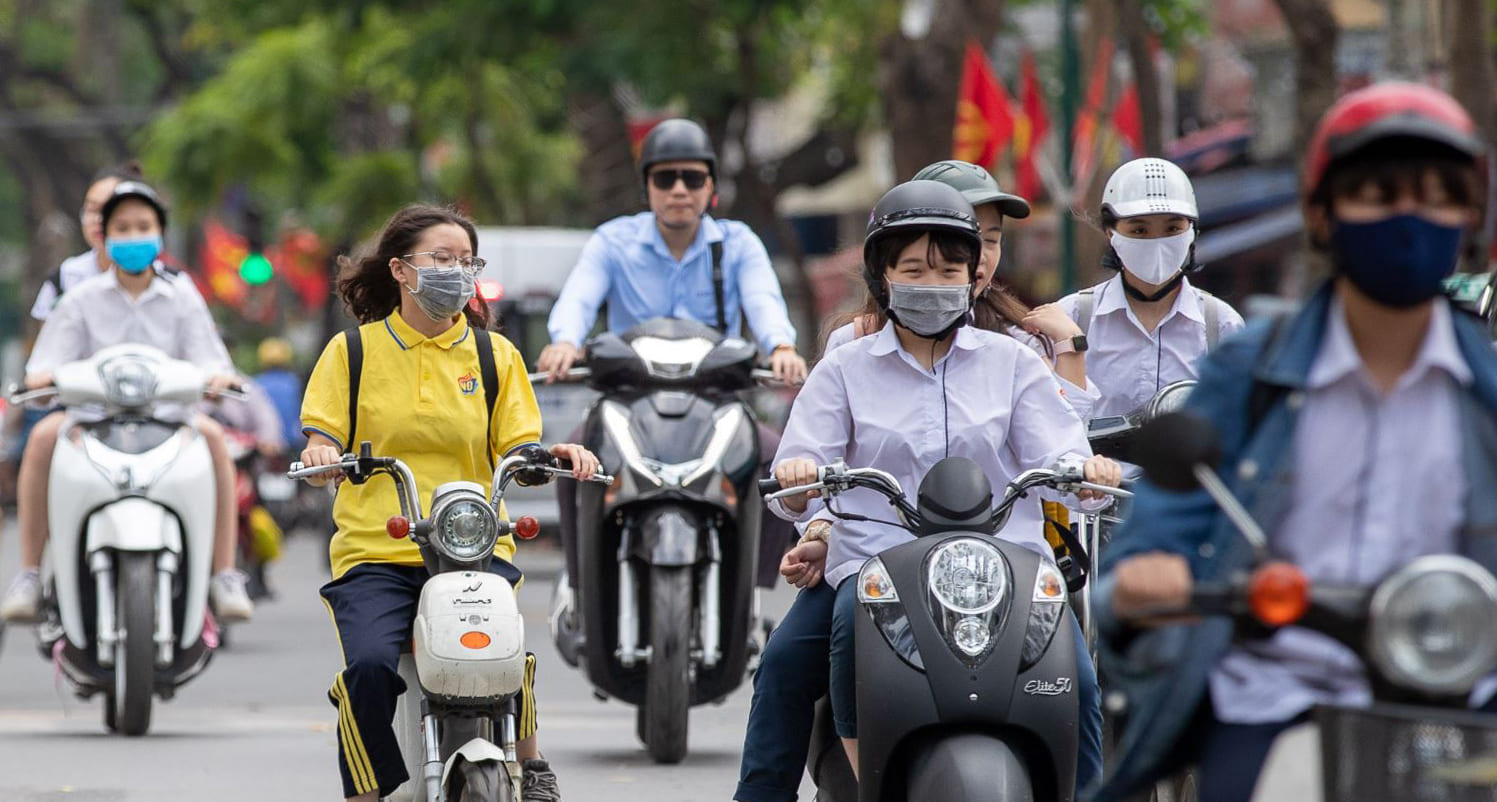

Although it seems chaotic and dangerous, Vietnam traffic operated by the culture only locals know. Read on for top safety and etiquette urban driving tips.
When riding a motorbike in urban Vietnam, mastering the traffic laws is only half the battle. To navigate the streets smoothly, you also need to understand local road etiquette: how to handle congested intersections and turns, which drivers to give a wide berth to, when to ride to dodge peak-hour congestion, and how to use your horn without being rude.
.png)
To drive legally in Vietnam, you should bring the paperwork with you all the time
If you drive scooters under 50cc, no driver's license is required.
If you have an International driving permit (IDP), bring it alongside your national driver's translated license.
You can also take a test in Vietnam, since long-term visa or residence permit holders can take the official local driving test. This option is not available on standard tourist visas.
These are provided by rental agencies, so be sure to specifically ask for them and keep the documents with you whenever you ride.
3. Do you need to study Vietnam traffic law?
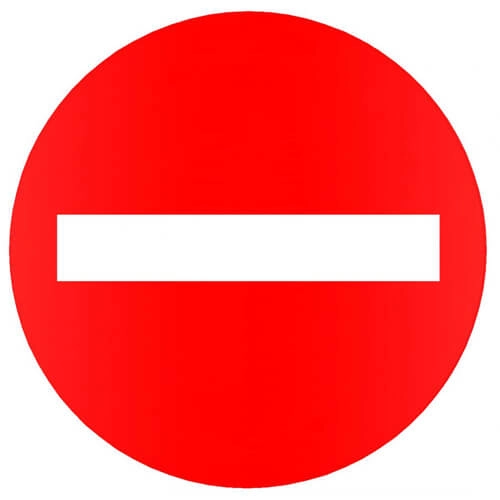
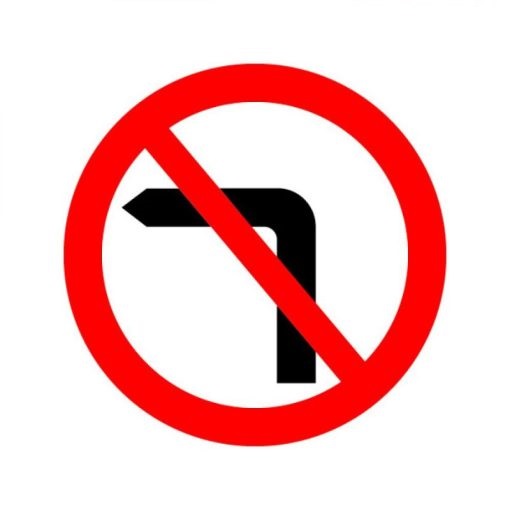
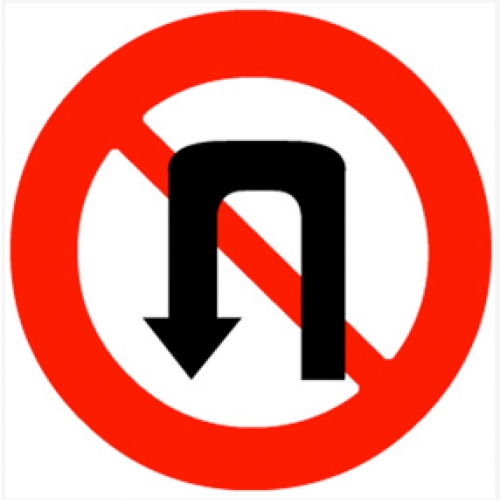
You should. Vietnam uses standard international road signs, but a few specific ones require careful attention:
  |
  |
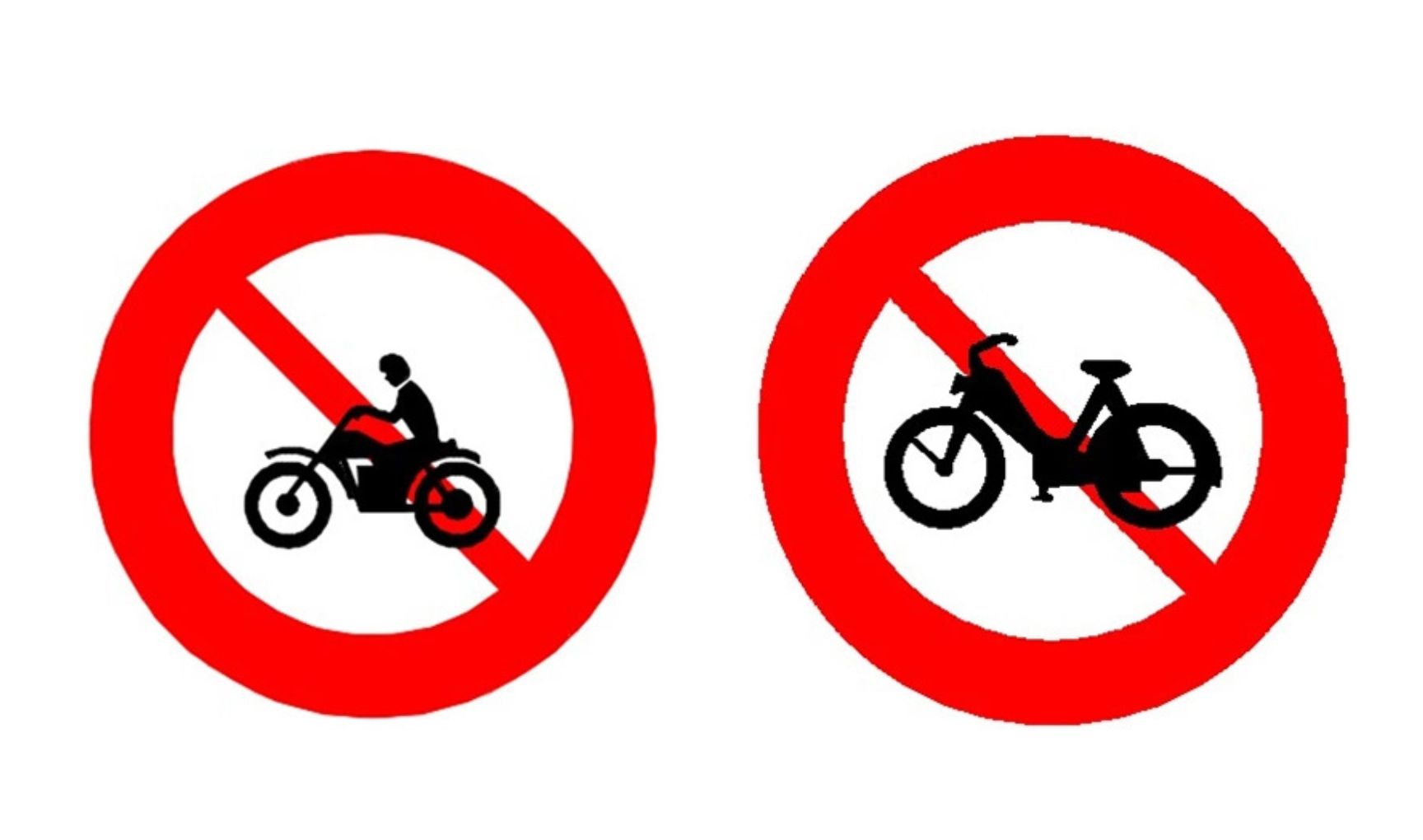 |
| Prohibited entry and one-way signs | Turn and U-turn restriction signs | No motorbikes allowed |
Tips: Stay behind traffic streams, observe whether local riders take that road, and follow them. Navigation apps also help avoid one-way streets; if you are not sure, slow down and check your surroundings.
Even when you don’t see any police officer ahead or see locals violating traffic rules, traffic AI cameras can still track your mistakes. Common infractions include:
Driving after drinking alcohol: For motorbikes, fines range from 2,000,000 to 10,000,000 VND (76 - 385 USD). Additionally, it can result in temporary exit delays at immigration or issues with visa extensions.
Riding without a proper helmet: You must wear a helmet with the chin strap securely fastened; leaving the strap unbuckled carries the same penalty as not wearing a helmet.
Driving counter-flow: Do not do it even when locals occasionally take shortcuts down the wrong side of the road.
Using a mobile phone while driving: Holding a phone to check maps or text while operating a bike is prohibited. If you need to check the map, stop somewhere allowed to check it.
Driving in big cities like Hanoi or Ho Chi Minh City requires sharp observation and confidence. Staying safe comes down to constantly scanning your surroundings, maintaining a steady pace, and adapting to the overall flow of traffic.
Urban traffic reaches extreme density during morning and evening rush hours:
Morning rush: 8:00 AM - 9:00 AM
Evening rush: 5:00 PM - 6:30 PM
Tips: If you travel during peak hours or explore unfamiliar areas, pay close attention to navigation apps like Google Maps. Routes highlighted in orange or red indicate heavy traffic or severe congestion, so it is best to choose an alternative route to save time and reduce stress.
.jpg)
Traffic in Vietnam operates much like a school of fish. They go with the flow, moving in groups, avoiding any sudden things.
Keep a safe speed of 20-30 km/h in urban areas and drive in a straight, consistent line. Avoid sudden swerving, unexpected stops, or sharp turns.
When you need to turn or change lanes, always switch on your turn signal early or use clear visual cues to notify surrounding traffic.
Check your rearview mirrors before making a turn or changing lanes, but keep your primary focus centered on the space directly in front of you. Drivers behind you are generally responsible for avoiding you, so concentrating on what is ahead is crucial.
When another driver cuts across your path or merges into your lane, try to establish eye contact. Looking directly at other riders signals that you see them, helping both parties gauge each other's intent and safely negotiate space.
.jpg)
There are certain types of driver on the road of Vietnam, and their stories are endless, but you need to notice certain vehicles that require extra caution and distance:
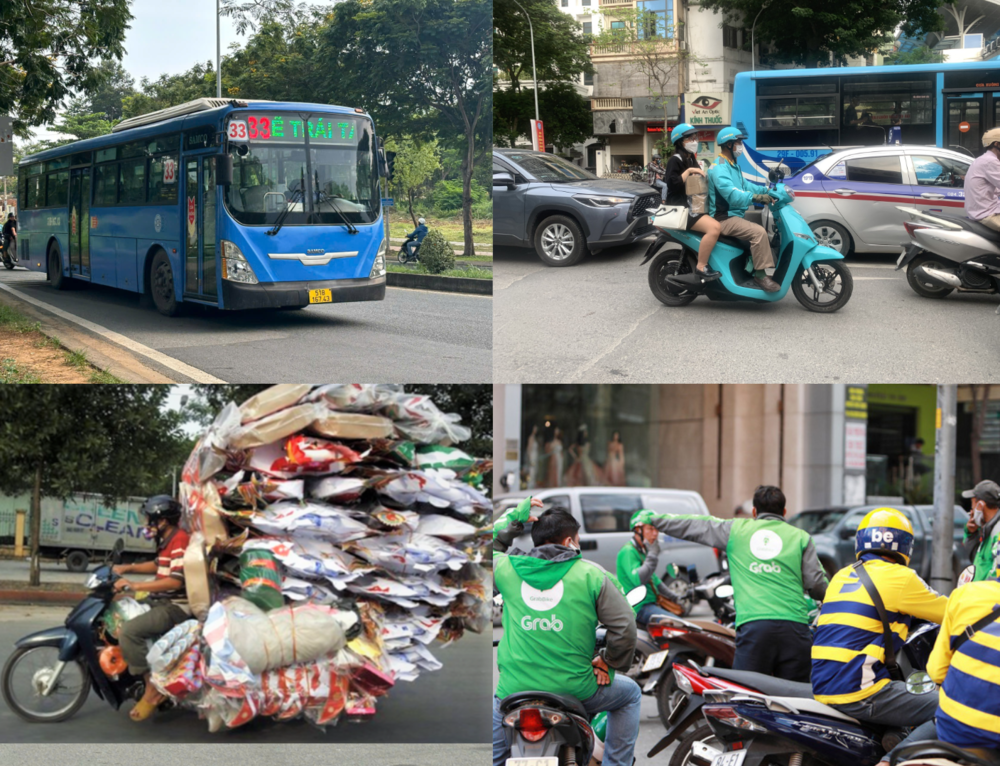
Public buses: Buses pull into and out of spots, and have many blind spots, and bus drivers are something like F1 drivers.
Taxis and ride-hailing drivers: Drivers are frequently in a hurry to reach pick-up spots or drop off passengers, leading to abrupt lane changes or sharp turns, but most of the time they will honk at you to get out of their lanes. Stay alert around them and keep a reasonable distance.
Delivery drivers and cargo riders: Riders carrying large loads or working under tight delivery deadlines frequently make quick, unexpected behaviour.
Large trucks and construction vehicles: Although they are only allowed to drive at night in urban areas, in case you see them, keep an eye on them.
A short honk does not mean anger, it simply means "I am here, please be aware." Use 1 short tap when passing someone or coming around blind corners. Using a long horn when it is extremely dangerous and important.
Keep low-beam headlights on at night. High beams in urban areas blind oncoming drivers and are poor etiquette. If an oncoming rider leaves high beams on, or if you wish to alert a driver ahead without using the horn, flash your headlights quickly to signal your presence politely.
Navigating Vietnam's roads safely can be concluded into a few fundamental rules: drive with confidence, maintain a steady pace (20-30 km/h), clearly signal your intentions to those around you, and observe your surroundings constantly. Once you get used to the rhythm of local traffic, riding a motorbike gives you the freedom and local perspective to unlock authentic city experiences.
There are many places to rent a motorbike for your trips, also if you are in other destinations or hard to find anywhere to rent, I recommend you to book Easy Rider.
For short city trips, self-riding or motorbike taxis offer maximum flexibility for spontaneous exploring. However, for long distances or journeys where comfort and safety are your top priorities, opting for a private transfer is the most relaxed and convenient way to travel.
| Transport options | Best for | Pros | Cons |
|---|---|---|---|
| Motorbike & scooter | Short urban trips, total flexibility | Low cost, easy parking, authentic local perspective | Requires driving confidence, weather exposure, risk of accidents |
| Taxi or motorbike taxi | Point-to-point city transit | Affordable, no navigation stress, easy to book on apps | Less freedom for spontaneous street wandering |
| Private transfer | Intercity routes, airport runs, families | Maximum comfort, spacious luggage capacity, safety | Higher cost than public options |
Planning a long journey across Vietnam or simply want a smooth, effortless ride? Sondax Private Transfer offers fully customizable routes tailored to your schedule, modern air-conditioned vehicles for ultimate comfort, and a dedicated 24/7 customer support team to assist you every step of the way.
Yes. To convert a foreign license into a Vietnamese driver's license, you typically need a residence permit or a visa valid for at least three months. Short-term tourist visas generally do not qualify for license conversion.
No. Offering cash directly to an officer is illegal. Official fines are paid through formal receipts at designated administrative offices or bank transfers, depending on the severity of the violation.
Look for roadside repair shops, easily identified by signs reading "Sửa Xe" or "Vá Xe" (tire repair). These small shops exist on almost every major urban street. If you rented the vehicle, contact your rental provider immediately so they can coordinate assistance or direct you to an approved mechanic.
For long-distance journeys across Vietnam, higher-displacement motorcycles or off-road adventure bikes (such as dual-sport models) are best equipped to handle highway speeds and rugged terrain. However, for long distances, opting for a private transfer is highly recommended over riding a motorbike.
Best visited during dry season (November to April) for ideal weather.
Book accommodations in advance during peak travel season.
Carry local currency (Vietnamese Dong) for markets and small vendors.
Respect local customs and dress modestly when visiting temples.