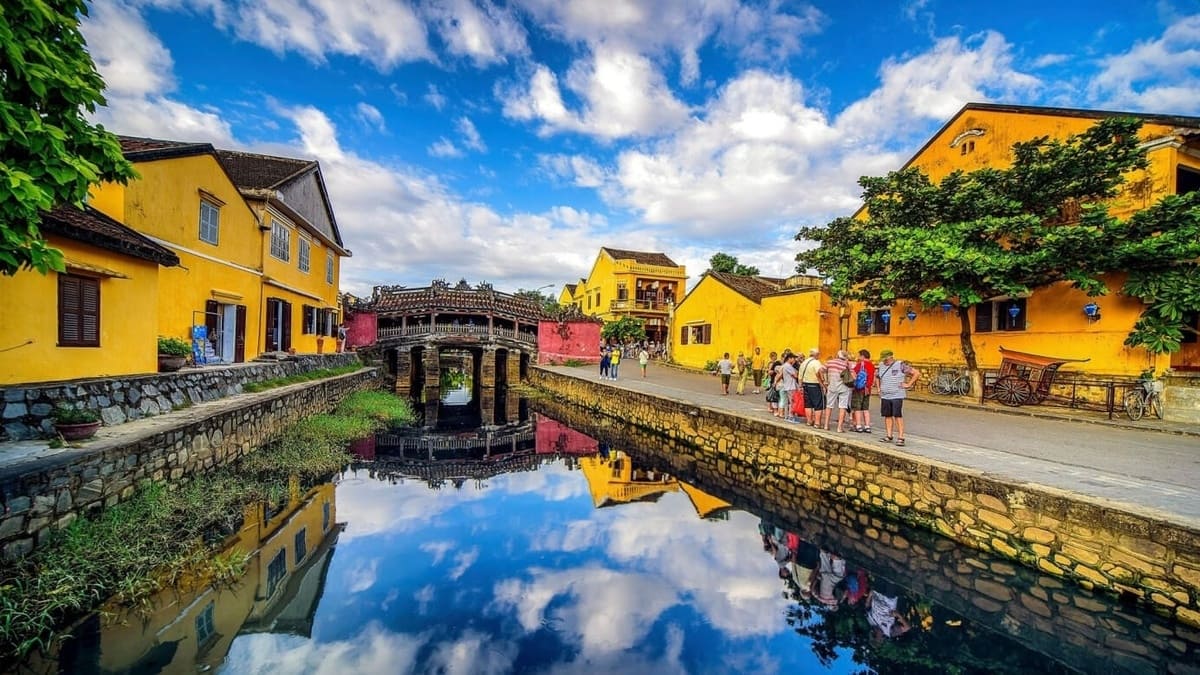

Most visitors wander into the yellow-walled streets unaware they need an official 150,000 VND ticket to cross certain bridges or enter the oldest merchant homes. Between confusing entrance regulations, the aggressive midday humidity, and the overwhelming evening crowds gathering for lantern boat rides, a poorly planned visit quickly turns exhausting. This guide changes that.
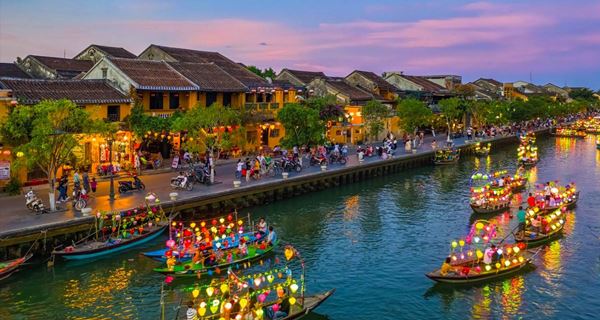
Hoi An Ancient Town, a UNESCO World Heritage site since 1999, stands out for its remarkably preserved 15th- to 19th-century architecture. The strict preservation zone encompasses 844 timber-frame buildings characterized by distinctive yin-yang clay roof tiles and wooden eyes mounted above doorways. The town blends indigenous, Chinese, and Japanese influences, showcased by its ochre-painted merchant houses lining Tran Phu Street and the iconic 16th-century Japanese Covered Bridge spanning the western canal.
.jpg)
| Destination | Best time of day | Estimated cost | Time commitment | Watch out for |
|---|---|---|---|---|
| Ancient Town | 6:00 AM - 9:00 AM | 150,000 VND ($5.91) pass | 3-4 hours | Aggressive midday heat and strict ticket checkers at major intersections. |
| An Bang Beach | 4:00 PM - 6:30 PM | 50,000 VND ($1.97) for lounger | Half day | Jellyfish stings during the late August warming period. |
| My Son Sanctuary | 5:30 AM arrival | 150,000 VND ($5.91) entry | 4-5 hours | Zero shade coverage inside the central ruin complex. |
| Lantern Festival | 14th day of lunar month, 6:00 PM | Free entry, $6-$10 boat rides | 2 hours | Severe pedestrian bottlenecks on the An Hoi footbridge. |
Historically, Hoi An operated as a dominant Southeast Asian trading port from the 15th to the 19th centuries under the Nguyen lords. Merchants from China, Japan, Portugal, and the Netherlands anchored here for months at a time, waiting for favorable monsoon winds to carry them home. They traded heavily in local silk, ceramics, and spices.
These foreign traders established distinct neighborhoods along the Thu Bon River, leaving behind a multicultural architectural legacy that survived 20th-century conflicts largely intact. The town lost its prominence only when the river mouth silted up in the late 1800s, forcing larger modern steamships to divert to the deeper harbor at Da Nang 30 kilometers north.
.jpg)
The standout landmarks require precise navigation. Start at the Japanese Covered Bridge (Chua Cau), constructed in the 1590s and flanked by weathered statues of monkeys and dogs. Move next to the Phung Hung Ancient House, a two-story wooden structure built in 1780, and the intricately carved Quang Trieu (Cantonese) Assembly Hall dominating Tran Phu Street with its massive dragon fountain.
.jpg)
.jpg)
The 200-year-old Tan Ky Old House demonstrates a three-way foreign design fusion, retaining original flood-water marks etched into its interior walls. On the eastern edge, the Hoi An Central Market provides unvarnished insight into local daily commerce; avoid the meat and fish stalls between 11:00 AM and 2:00 PM when the heat peaks and vendors sleep.
.jpg)
While anyone can walk the main pedestrian streets, a mandatory entry ticket is required to access specific heritage interiors. Costing 150,000 VND ($5.91), this paper ticket frequently confuses international visitors, but understanding its rules prevents fines or missed cultural opportunities. Local authorities use the revenue directly for preservation, structural reinforcement, and dredging the adjacent canals.
.jpg)
📌 Insider note:
The highly photogenic Ba Mu Temple gates on Hai Ba Trung Street date back to 1626 and require zero tickets to photograph. Visit before 7:30 AM to capture the perfect reflection of the circular moon gate in the lotus pond without tourists blocking your shot.
The combination of intense humidity and massive crowds during the evening Lantern Festival requires a strategic approach. Managing your energy between daytime heat and nighttime activities ensures you cover the 30-hectare heritage zone efficiently without burning out before dinner.
%20(1).jpg)
📌 Insider note:
Escape the 1:00 PM heat by booking a $25 deep tissue treatment at Non Spa on Thai Phien Street, or drop your core temperature rapidly with a $15 guided plunge session at IceBath Hoi An located just north of the ancient quarter.
The priority local dish is Cao Lau, featuring thick, chewy rice noodles, slices of char siu pork, and fresh greens sourced directly from the nearby Tra Que vegetable village. Authentic versions rely on water drawn specifically from the ancient Ba Le well hidden down a local alleyway. You should also seek out White Rose dumplings (Banh Bao Vac) at the original family production house on Hai Ba Trung street, where dozens of women fold the translucent dough by hand daily. Grab a famous pork sandwich from Banh Mi Phuong at 2B Phan Chau Trinh; expect to pay roughly 100,000 VND ($3.94) for two sandwiches and two local Larue beers.
ảnh đồ ăn
The rainy season, spanning from October to January, ruins tight itineraries. Heavy downpours and frequent severe flooding, particularly in October and November, routinely submerge the streets nearest the river up to a meter deep. This flooding forces ground-floor business closures, damages hotel infrastructure, and makes walking the ancient streets highly uncomfortable despite mild 22-25°C (71-77°F) temperatures. Conversely, June and July bring punishing dry heat, frequently hitting 38°C (100°F), turning the narrow, windless streets into a furnace by midday.
.jpg)
Because Hoi An lacks an airport, you must transit 29 kilometers south from Da Nang. Deciding how to reach An Bang Beach, located five kilometers outside the old town, or planning a day trip to the 4th-century Cham ruins at My Son Sanctuary requires comparing logistics between private drivers and Grab ride-hailing rates.
| Route | Cost USD | Best transit method | Time required | Watch out for |
|---|---|---|---|---|
| Da Nang Airport Transfer | $12-$15 | Pre-booked private car | 45 mins | Overpaying for unmetered airport taxis in the arrivals lane. |
| Town to An Bang Beach | $3-$5 | Grab car or rented bicycle | 15 mins | Riding bicycles back uphill along Hai Ba Trung street under the midday sun. |
| Day trip to My Son Sanctuary | $25-$35 | Private driver wait-and-return | 5 hours total | Group buses that force mandatory one-hour shopping stops at marble factories. |
| Thu Bon River Shuttle (Hoi An GO) | $2-$4 | Electric shuttle cart | 10 mins | Missing the final cart departure at 9:00 PM. |
.jpg)
📌 Insider note:
When biking to An Bang Beach, ignore the aggressive men whistling and waving you into paid parking lots 200 meters from the sand. Ride directly to Soul Kitchen, park your bike for free on their property, and secure a front-row ocean lounger simply by buying a $3 mango smoothie.
A standard two-piece custom-tailored suit in Hoi An costs between $150 and $250, depending on fabric quality and turnaround time. Premium merino wool or silk blends at top-tier tailors like Bebe or Yaly Couture push prices closer to $400. Always demand at least two fittings before accepting the final garment.
Small wooden rowboats dominate the Thu Bon River for 20-minute tourist lantern rides, costing roughly 150,000 VND ($5.91) for two passengers. Larger commercial ferry services connecting Hoi An directly to the Cham Islands depart daily from the Cua Dai pier, charging about $15 for a round-trip speedboat ticket.
The most prevalent scam involves aggressive fruit vendors placing their bamboo shoulder poles on your shoulders for a photo, then demanding $5. Cyclo drivers routinely quote a flat rate, only to demand double at the destination. Always negotiate the exact price and currency before climbing into the cyclo seat.
You must cover your shoulders and knees to enter the assembly halls, Ba Mu Temple, and the Japanese Covered Bridge. Lightweight linen pants or long skirts are recommended due to the 80 percent daily humidity. Security guards will deny entry to anyone wearing tank tops or short shorts.
Da Nang offers superior beach infrastructure with massive, modern resorts lining My Khe Beach and a 15-minute commute to the international airport. Hoi An provides smaller boutique hotels near An Bang Beach, requiring a 10-minute bicycle ride into the heritage town. Choose Da Nang for pure resort convenience.
ảnh CTA TA
---Related Articles---
Best visited during dry season (November to April) for ideal weather.
Book accommodations in advance during peak travel season.
Carry local currency (Vietnamese Dong) for markets and small vendors.
Respect local customs and dress modestly when visiting temples.