Most travelers rush through the Mekong Delta on a blurry 1-day tour from Ho Chi Minh City, missing its best secrets. From the bustling waterways of Can Tho to the peaceful orchards of Ben Tre, this guide breaks down exactly how to plan your itinerary
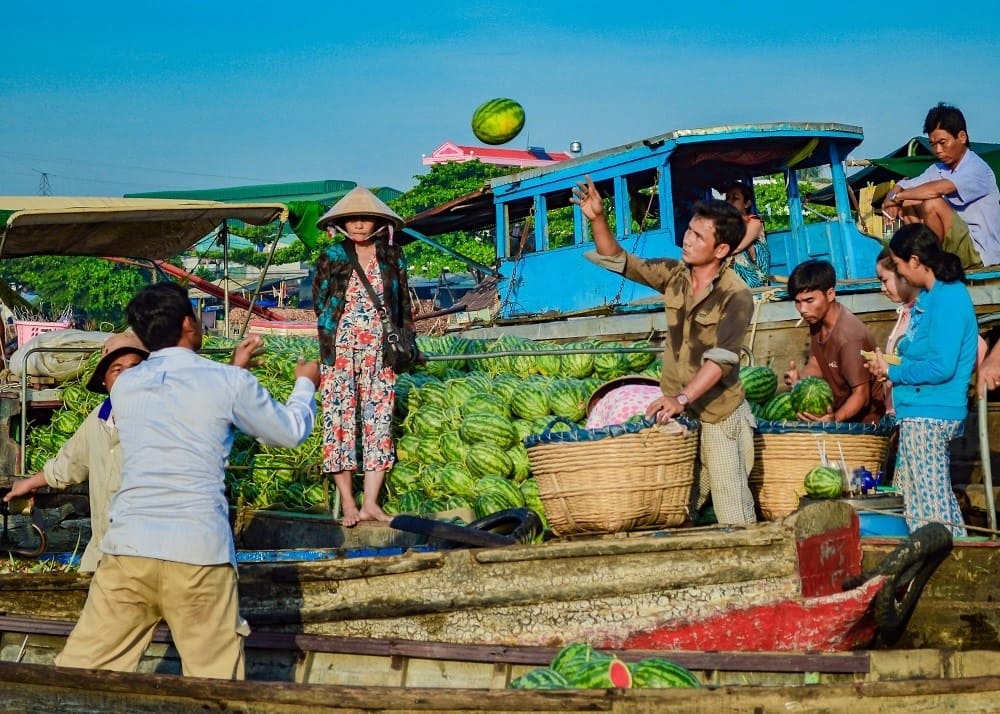
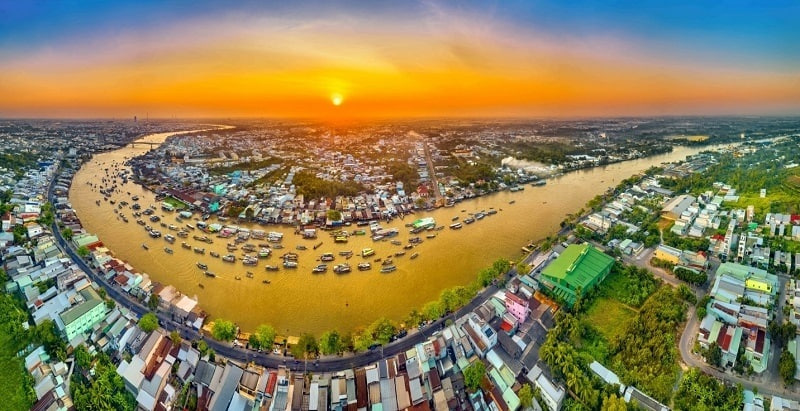
The Mekong Delta is renowned for its vast network of rivers, canals, and tributaries, which support a productive agricultural geography often referred to as Vietnam's "rice bowl." This 39,000-square-kilometer region produces over half of the country's rice output. Its fame largely stems from its floating markets, particularly Cai Rang and Phong Dien, where wholesale traders exchange produce directly from wooden sampans.
Lush fruit orchards growing rambutan, dragon fruit, and durian line the riverbanks. This riverine culture is sustained by the Mekong River's fertile sediment, carried downstream from the Tibetan Plateau through six countries before emptying into the South China Sea.
.jpg)
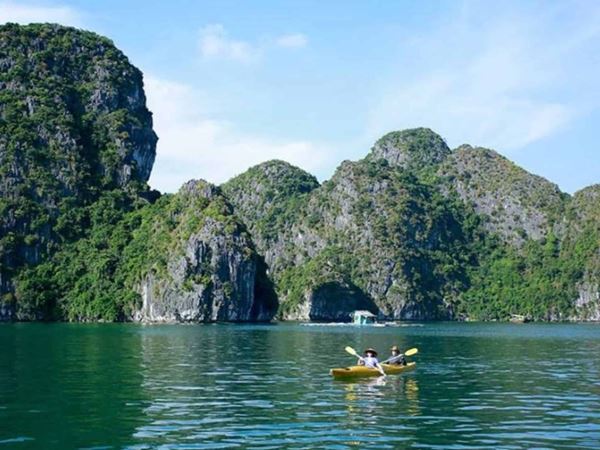
The Mekong Delta is characterized by its flat topography and extensive hydrological network along the Mekong River. The average elevation sits just 0.8 meters above sea level, making it susceptible to tidal variations. This low-lying alluvial plain, formed by fertile sediment deposits, creates the perfect environment for vast rice paddies and thick mangrove forests like Tra Su.
Interconnected waterways entirely dominate the area, forcing locals to build stilted houses and rely on "monkey bridges" (cau khi) made from single bamboo poles. Two main branches, the Tien and Hau rivers, fracture into nine distinct estuaries, giving the delta its Vietnamese name, Cuu Long, or "Nine Dragons."
Travel time from Ho Chi Minh City to the closest parts of the Mekong Delta typically ranges from 1.5 to 2 hours by road. If you head toward My Tho or Ben Tre, expect roughly 70 kilometers of driving via the CT01 expressway. Reaching distant regional hubs like Can Tho or Chau Doc takes 3.5 to 6 hours via sleeper buses.
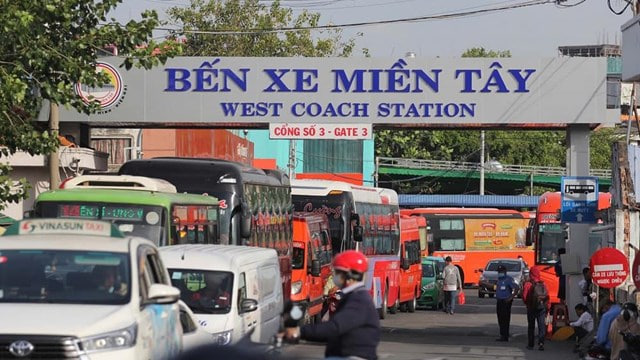
Commercial transit departs from Mien Tay bus station in District 6, though luxury minivan services run directly from Pham Ngu Lao street. Traffic bottlenecks around the Binh Chanh border often add 30 minutes during morning rush hour.
Yes, the Mekong Delta was a primary battleground during the Vietnam War. Its complex terrain of 4,000 kilometers of navigable waterways, dense Nipa palm swamps, and heavy vegetation provided strategic cover for guerilla forces. The US Navy and South Vietnamese forces established the Mobile Riverine Force to conduct operations across these narrow canals, employing specialized heavily armed patrol boats.
Intense conflict occurred throughout the region, particularly in provinces like Kien Giang and Dinh Tuong (now Tien Giang), known for heavy river traffic and high agricultural output. The Viet Cong utilized the impenetrable U Minh forest to move supplies and evade detection.
(1).jpg)
What is the main economic activity in the Mekong Delta?
The primary economic activity in the Mekong Delta is agriculture, with rice cultivation dominating the flatlands. The region yields three harvests annually, cementing its status as Vietnam's largest rice-producing zone. Aquaculture heavily focuses on pangasius (basa fish) and black tiger shrimp farming for export. Sprawling fruit orchards in Tien Giang and Vinh Long supply the domestic market with mangoes, pomelos, and longans.
Specialized local industries drive micro-economies across the provinces. Ben Tre province relies on traditional coconut candy (keo dua) production, utilizing every part of the nut. Brick kilns in Sa Dec further diversify regional income via clay production.
.jpg)
| Base Location | Vibe | Travel Time from HCMC | Best For | Main Attractions |
|---|---|---|---|---|
| Can Tho | Urban hub with a large riverfront promenade | 3.5 hours | First-time visitors wanting market action and modern hotels | Cai Rang Floating Market, Binh Thuy Ancient House |
| My Tho | Commercial and transit-heavy | 1.5 hours | Quick day trips and large group excursions | Vinh Trang Pagoda, Thoi Son Island |
| Chau Doc | Border town with strong Khmer and Cham influences | 5.5 to 6 hours | Overland travelers crossing into Cambodia via speedboat | Tra Su Cajuput Forest, Sam Mountain, floating fish farms |
| Ben Tre | Quiet, rural, and heavily forested | 2 hours | Homestay experiences and cycling through villages | Coconut candy factories, narrow canal boat rides |
.jpg)
.jpg)
.jpg)
.jpg)
📌 Insider note:
Skip the 40-person tourist buses operating out of Pham Ngu Lao. You get far more control by taking a regular Futa sleeper bus to Can Tho and negotiating directly with sampan drivers at Ninh Kieu pier. A private, motorized wooden boat for two people costs 100,000 to 200,000 VND ($3.93 to $7.87) for a three-hour morning circuit. You dictate the pace, avoid the forced souvenir stops, and sit low enough to the water to actually speak with the floating fruit vendors.
| Tier | Accommodation | Daily Food Cost | Transportation | Tour Expenses |
|---|---|---|---|---|
| Budget | Hostel dorm or basic fan homestay: 150,000 - 300,000 VND ($5.90 - $11.80) | Street food and local markets: 100,000 VND ($3.93) | Public sleeping buses and rented bicycles: 150,000 VND ($5.90) | Shared small boat directly at pier: 100,000 VND ($3.93) |
| Mid-range | Air-conditioned boutique homestay or 3-star hotel: 600,000 - 1,200,000 VND ($23.60 - $47.20) | Sit-down restaurants with seafood: 350,000 VND ($13.77) | Limousine van tickets and occasional Grab cars: 400,000 VND ($15.74) | Half-day private guide with hotel pickup: 600,000 VND ($23.60) |
| Luxury | Resorts like Victoria Can Tho or Azerai: 2,500,000 - 6,000,000 VND ($98.42 - $236.22) | Hotel dining and imported wine: 1,000,000+ VND ($39.37+) | Private hired car with driver from HCMC: 2,000,000 VND ($78.74) | Multi-day luxury cruise (e.g., Aqua Mekong): 12,000,000+ VND ($472.44+) |
.jpg)
📌 Insider note:
When handing over cash for a delta excursion, get the exact inclusions in writing or text message. A legitimate full-day package priced around 800,000 VND ($31.49) must cover all primary boat fees and the smaller rowboat transfers through narrow mangroves. It should explicitly include an English-speaking guide, a sit-down local lunch with elephant ear fish, purified drinking water, and all entrance fees for pagodas or fruit orchards. Verify that the mandatory coconut or fruit tasting is paid for, otherwise, you risk being charged an inflated 50,000 VND ($1.96) premium per person upon sitting down at the orchard tables.
.jpg)
The Mekong Delta features a tropical monsoon climate, guaranteeing warm temperatures averaging around 28°C (82°F) throughout the year. For travelers planning an itinerary, understanding the region's two distinct seasons is key to maximizing your experience.
Dry Season (December to April): This is widely considered the optimal time for sightseeing. The humidity drops slightly, and clear skies provide perfect conditions for cycling along narrow village paths, visiting outdoor brick kilns, and enjoying uninterrupted sunrise boat rides at the floating markets.
Rainy season (May to November): Do not let the weather forecast deter you. The Rainy season typically brings short, heavy afternoon downpours rather than continuous, all-day drizzle. In fact, this period is highly rewarding for ecotourism. The rising river levels breathe life into the flooded cajuput forests (like Tra Su), the rice paddies turn a striking emerald green, and tropical fruit orchards reach their peak harvest season.
Futa Buslines (Phuong Trang) and Thanh Buoi are the most reliable operators running the 170-kilometer route from Ho Chi Minh City to Can Tho. Tickets cost around 165,000 VND ($6.49). Buses depart from Mien Tay Bus Station every 30 minutes, featuring air-conditioned sleeper berths and complimentary water.
Vendors occasionally quote inflated fruit prices to foreigners at Cai Rang floating market, charging 100,000 VND ($3.93) for a single pineapple. Avoid unregistered "tour guides" intercepting taxis at the My Tho ferry terminal; they pressure travelers into purchasing overpriced boat tickets instead of using the official government ticket counter.
Medical professionals strongly advise securing Hepatitis A and Typhoid vaccinations before consuming regional street food or rural water sources. You should also ensure routine Tetanus boosters are current. Japanese Encephalitis vaccines make sense for travelers planning to spend more than a month sleeping outdoors near agricultural zones or pig farms.
You should counteroffer by dropping the initial quoted price by roughly 30 percent, keeping your tone conversational and smiling. If a wholesale seller asks 50,000 VND ($1.96) for a kilo of mangoes, suggest 35,000 VND ($1.37). Never grab merchandise from another boat without permission, and accept firm refusals graciously.
Vinh Long specializes in rural, family-run homestays clustered across An Binh island, usually costing between 250,000 and 500,000 VND ($9.84 to $19.68) per night. These wooden properties feature open-air dining and hammock lounges. The mainland city center offers basic two-star business hotels catering mostly to domestic transit workers.
CTA
Best visited during dry season (November to April) for ideal weather.
Book accommodations in advance during peak travel season.
Carry local currency (Vietnamese Dong) for markets and small vendors.
Respect local customs and dress modestly when visiting temples.