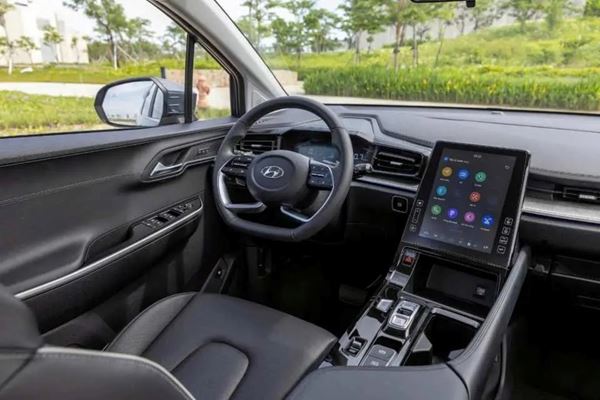

Sleeper bus Vietnam travel costs 150,000 to 900,000 VND depending on the route and cabin. Prices by route, top operators, and the safety record first.
Sleeper bus Vietnam travel means a reclining berth bus running overnight between cities, costing roughly 150,000 to 900,000 VND (about 6 to 35 USD) depending on the route and the cabin type you choose, standard berth or private VIP pod. It is the cheapest way to cover long distances between tourist stops, and choosing an established operator with a named app or website gets you a newer bus, a fixed schedule and a far more comfortable ride than the cheapest unmarked option.
The short version
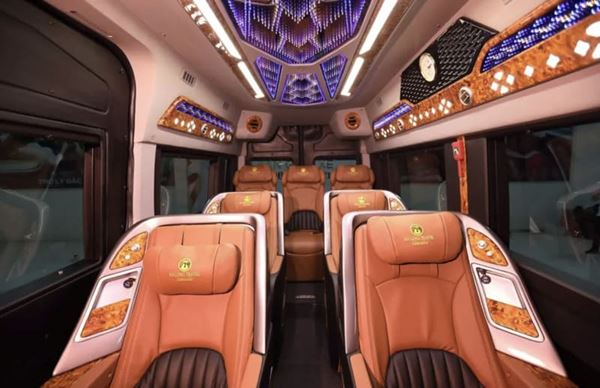
A sleeper bus is a coach fitted with 2 or 3 rows of reclining berths stacked in 2 tiers instead of upright seats, built to run overnight so you cover distance while asleep rather than losing a travel day. Most hold around 40 passengers, with a handful of single-person VIP cabins on some routes.
It exists because Vietnam is long and thin, with few domestic flights to smaller towns and train lines that do not reach the mountains. For a budget traveller heading from Hanoi up to Sapa or Ha Giang, or down the coast from Hue to Nha Trang, a sleeper bus is often the only direct option besides a private car.

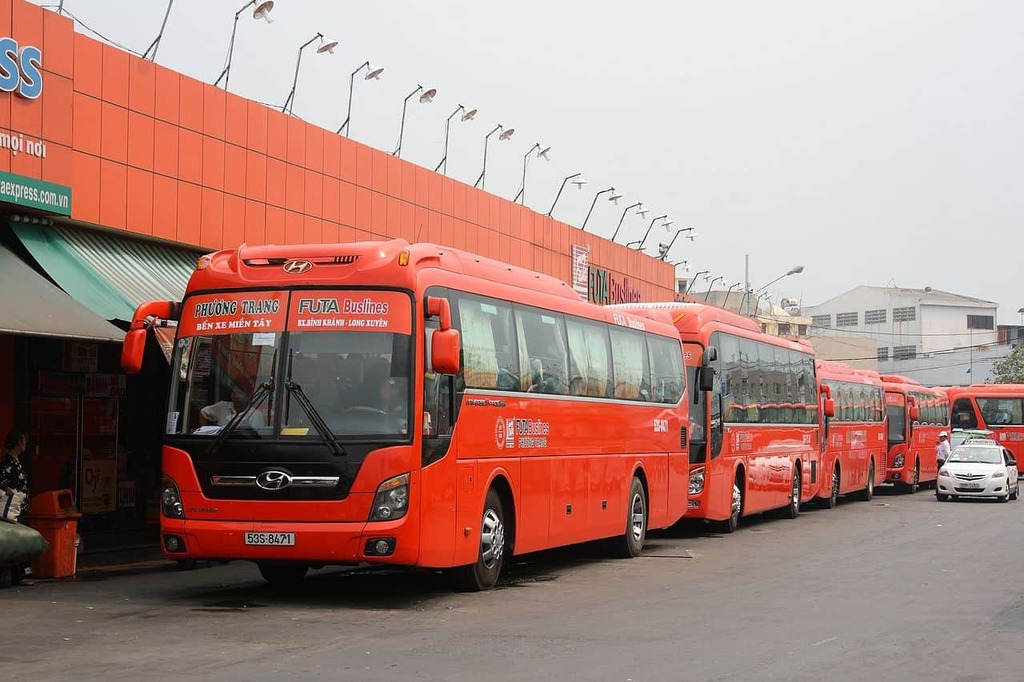
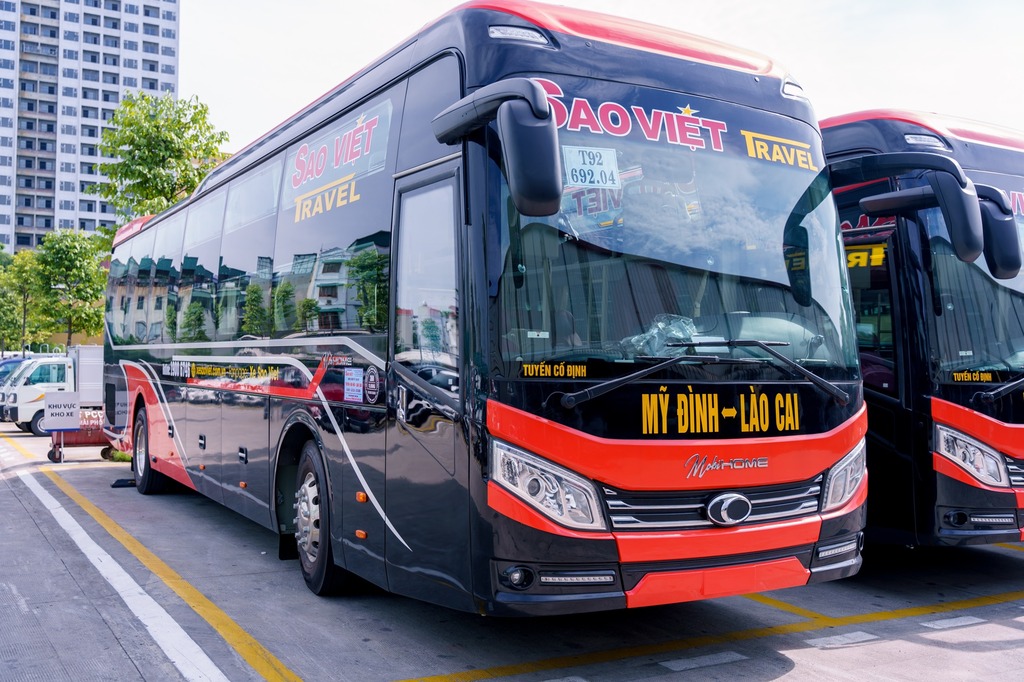
The best sleeper bus operator Vietnam has to offer depends on the route. Futa, branded Phuong Trang, is strongest on southern and central routes, with a modern fleet and its own app. The Sinh Tourist covers Hanoi through Hue and Hoi An to Ho Chi Minh City, and is the name most foreign travellers recognise.
Other established names include Hoang Long and Kumho Samco on longer inter-city runs, and smaller regional operators on routes like the Hanoi to Sapa route or Hanoi to Ha Giang. A bigger, more established operator is not automatically safer on every route, but it usually means a newer bus, a company with more to lose from a bad safety record, and an easier path to a refund if something goes wrong.
Sleeper bus Vietnam price depends heavily on distance and cabin type, running from around 150,000 VND for a short 2-hour hop up to 900,000 VND for the longest overnight runs in a VIP cabin, with most popular tourist routes landing somewhere in between.
| Route | Standard berth | VIP cabin | Travel time |
|---|---|---|---|
| Hanoi to Sapa | 250,000-350,000 VND | 400,000-550,000 VND | 5.5 to 7 hrs |
| Hanoi to Ha Giang | 250,000-400,000 VND | 450,000-700,000 VND | 6 to 8 hrs |
| Hanoi to Ninh Binh | 150,000-250,000 VND | 250,000-400,000 VND | 2 to 2.5 hrs |
| Hanoi to Hue | 350,000-500,000 VND | 550,000-900,000 VND | 12 to 14 hrs |
| HCMC to Mui Ne | 200,000-280,000 VND | - | 4 to 5 hrs |
Sources: fares aggregated from operator and booking-platform listings, October 2026. Prices are per person, one way, booked a few days ahead, and rise around Tet and public holidays.
A route like getting to Ha Giang from Hanoi costs more per hour than a flat highway run to Ninh Binh, since the road climbs through mountain passes that slow the bus down regardless of how modern it is.
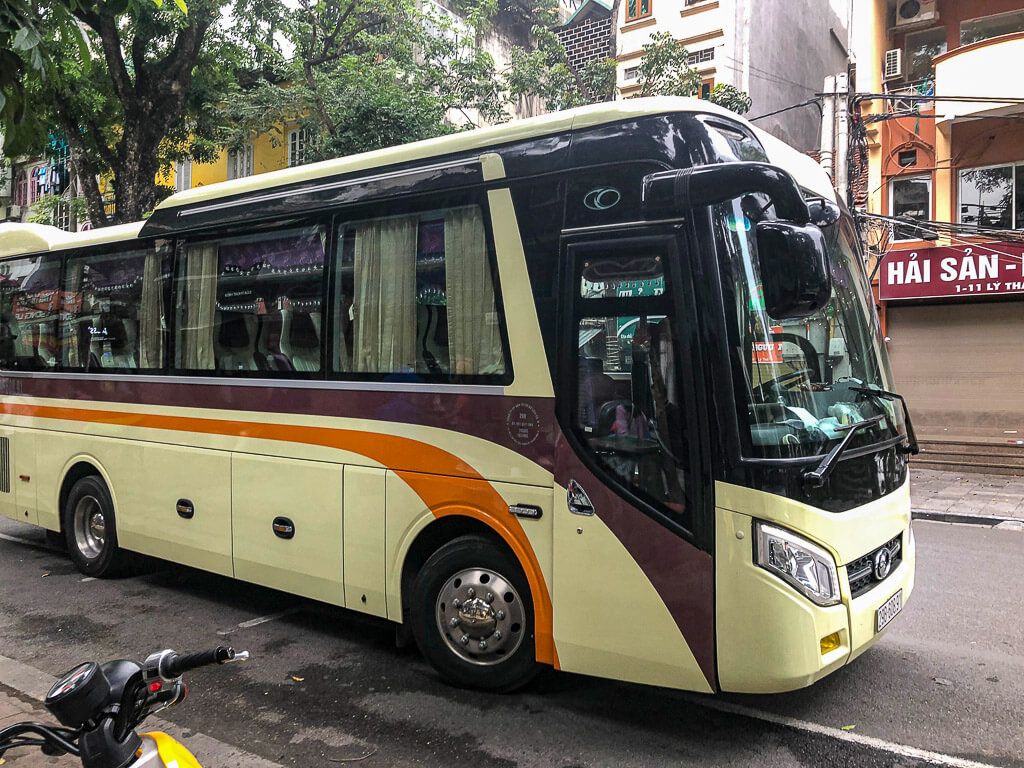
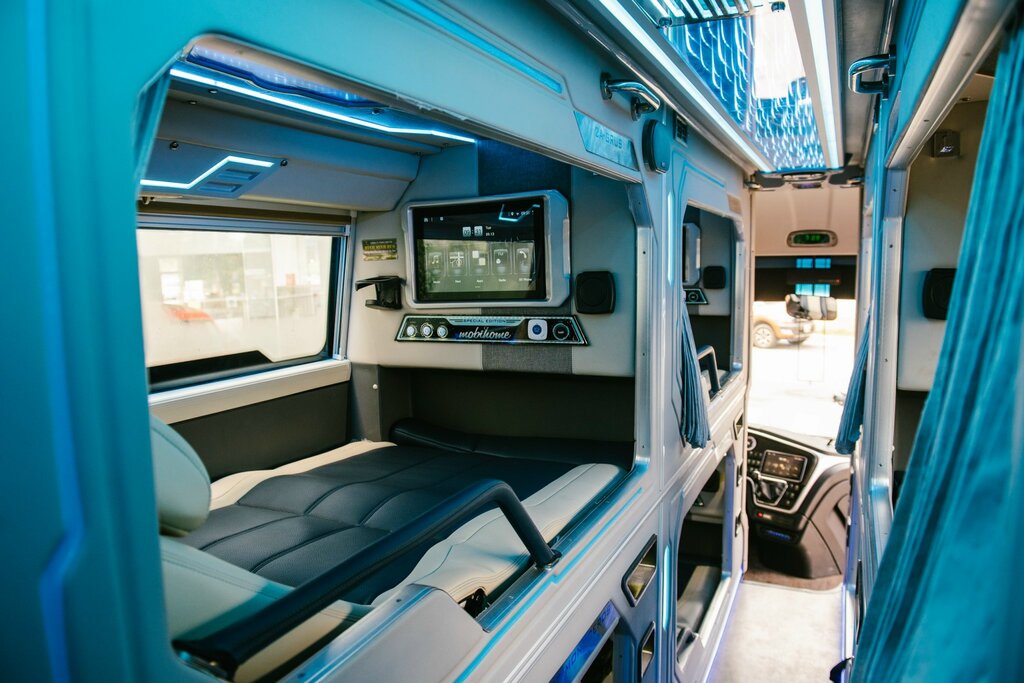
A standard berth is a reclining pod seat with a footwell, a thin blanket and a small USB port, arranged in 2 tiers with little privacy from your neighbours. A VIP cabin is a single enclosed pod, usually in the front or an upper deck, with a curtain or door, slightly more legroom and sometimes a bigger screen.
For a short daytime-adjacent hop like Hanoi to Ninh Binh, the difference matters less since you are barely lying down long enough to notice. For a 12-hour overnight haul like Hanoi to Hue, the extra privacy and space of a VIP cabin is usually worth the 100,000 to 300,000 VND it adds, especially if you are tall or travelling alone.

The most common sleeper bus Vietnam mistake is booking the single cheapest ticket on a route without checking the operator name, since a few dollars saved rarely offsets an older bus with a worn-out AC unit, a driver working a longer shift, or a drop-off point far from where you actually need to be.
Other repeat mistakes: packing valuables in checked luggage instead of a day bag, since the storage bay is not reachable until a stop; assuming every bus has a working toilet, when many lock it for the whole ride; booking the very last overnight departure out of habit, when an earlier one gets you into town before pickup services start running; and skipping the operator's own app or website for a random street agent, which makes a refund or a seat change far harder if your plans shift. It is the one thing our team repeats to every friend visiting Hanoi: check the operator name before you check the price.
Most foreign travellers book through 12Go, Vexere or Baolau, all of which accept international cards and show real operator names and departure times rather than a generic listing. Futa and The Sinh Tourist also sell directly through their own apps or websites, usually at the same price as the booking platforms.
Book 1 to 3 days ahead for most routes, and a week or more ahead around Tet, when every seat on every operator sells out and prices climb. If a fare looks far below the usual range for sleeper bus Vietnam travel on a popular route, treat it as a sign of an older bus or a less established operator rather than a deal, and weigh that against your overall daily travel budget before booking the cheapest option.

Shoes come off at the door and go into a plastic bag the staff hand you, a cleanliness rule every operator enforces without exception. Lights go off around 10pm, and a single rest stop around 2 to 3am gives you 15 to 20 minutes for the toilet.
Keep your phone, wallet and passport on your body rather than in checked luggage, and loop your day bag through your feet rather than in the overhead rack. Arrival is often 5 to 7am at a station on the edge of the city rather than the centre, so confirm with your hotel or a pickup service whether the drop-off point is walkable or needs a taxi.
Sleeper bus vs train Vietnam comes down to whether a rail line serves your route at all. Pick the bus for routes with no train line and little time saved by flying, like Hanoi to Sapa or Ha Giang, where it is close to the only direct option.
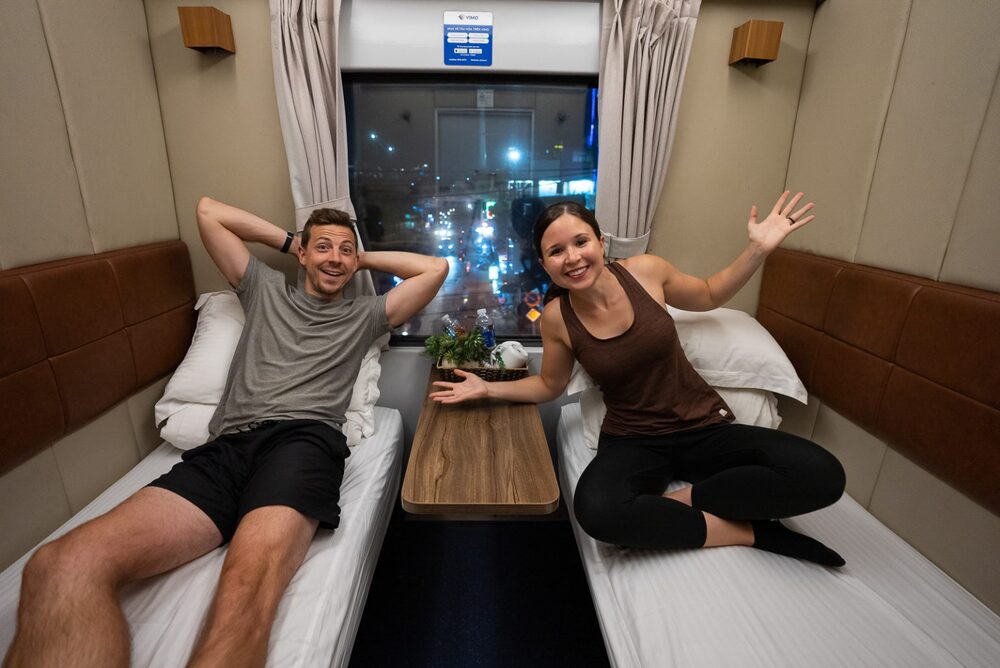
Pick the train over the bus on the coastal Hanoi to Hue to Da Nang corridor, where the Reunification Express runs the same overnight hours with a lie-flat berth and a smoother, more predictable ride. Pick a flight whenever the bus ride would eat more than a full day each way, such as Hanoi to Ho Chi Minh City, where the bus takes over 30 hours against a 2-hour flight.
For a wider look at getting around the country beyond any single route, our other planning guides for Vietnam cover trains, flights and private transfers side by side.
How much does a sleeper bus cost in Vietnam?
Sleeper bus Vietnam price runs from about 150,000 VND for a short 2-hour route to 900,000 VND for the longest overnight VIP cabin runs, with most popular tourist routes falling between 250,000 and 550,000 VND.
Is the Hanoi to Sapa sleeper bus comfortable?
Reasonably, for a budget option. The Hanoi to Sapa sleeper bus takes 5.5 to 7 hours on winding mountain roads, so a VIP cabin is worth considering if you get carsick easily, since standard berths sit closer to the bus's motion.
What is the difference between standard berth and VIP cabin?
Standard berth vs VIP cabin comes down to privacy and space: a standard berth is an open reclining pod shared in a row of 2 tiers, while a VIP cabin is a single enclosed pod with a curtain or door, usually 100,000 to 300,000 VND more.
Which is the best sleeper bus operator in Vietnam?
Futa (Phuong Trang) and The Sinh Tourist are the most established names for foreign travellers, with modern fleets and reliable online booking, though the better operator can vary by specific route.
Is sleeper bus or train better in Vietnam?
Sleeper bus vs train in Vietnam usually favours the train on routes it actually serves, since rail avoids highway crash risk and gives a proper lie-flat berth. The bus wins only where no train line runs, such as into the northern mountains.
Do sleeper buses have toilets?
Some do, but they are often locked for the whole journey to keep the bus clean, so plan around the scheduled rest stop roughly every 3 to 4 hours rather than counting on an onboard toilet being available.
Would rather skip the overnight bus entirely?
Our private car transfers run on your schedule, with an English-speaking driver, for routes where the time saved is worth more than the money.
Best visited during dry season (November to April) for ideal weather.
Book accommodations in advance during peak travel season.
Carry local currency (Vietnamese Dong) for markets and small vendors.
Respect local customs and dress modestly when visiting temples.