
Vietnam travel health covers which vaccines you need, food and water safety, malaria risk by region, and insurance that can cover a $2,000 hospital bill.
Vietnam travel health comes down to four things: a short list of vaccines worth getting before you fly, basic food and water habits, travel insurance that actually covers a hospital stay, and knowing where to go if something goes wrong once you land. None of it is complicated for a standard two to three week trip to the main cities and coast, and most of the worst-case advice floating around online applies to rural, long-term stays rather than a normal holiday.
Most travelers sticking to Hanoi, Ho Chi Minh City, Da Nang, Hoi An and Nha Trang need only routine vaccines plus hepatitis A. Japanese encephalitis and rabies only become worth a conversation with a travel clinic if you are spending a month or more in rural areas, trekking, or working directly with animals.
Make sure routine vaccines (MMR, Tdap, seasonal flu) are current first, since vaccination coverage has dropped since COVID-19 and diphtheria has reappeared in some countries. Hepatitis A is the one vaccine almost every traveler benefits from: it protects against contaminated food and water, the single most common way people actually get sick here. Typhoid is worth adding if you plan to eat a lot of street food or travel to rural areas, and hepatitis B matters more for long-term stays, medical or dental work, or close contact with blood. Ideally start the series 4 to 6 weeks before you fly, though a single hepatitis A dose still gives partial protection within 2 weeks.
| Vaccine | Who it's for | Timing |
|---|---|---|
| Routine (MMR, Tdap, flu) | Everyone | Already up to date, ideally |
| Hepatitis A | Nearly all travelers | 1st dose 2+ weeks before, booster at 6 to 12 months |
| Typhoid | Street food, rural travel, longer trips | 1 to 2 weeks before departure |
| Hepatitis B | Long stays, medical or dental work, expats | Series over several months if time allows |
| Japanese encephalitis | Rural stays of 1+ month, or weeks outdoors without AC or screens | 2-dose series, finish 1+ week before exposure |
| Rabies (pre-exposure) | Trekking, caving, long stays, young children | 2 to 3 doses over 3 to 4 weeks |
Sources: CDC Yellow Book, Vietnam chapter, checked November 2026.

Malaria in Vietnam is a rural, forested-area risk, not a city one. Hanoi, Ho Chi Minh City, Da Nang, Hoi An and Nha Trang all report 0 cases, so if your trip stays on that coastal and city track, antimalarial pills are not worth the side effects.
The exception is the far north and the Central Highlands: travelers trekking or staying for weeks around rural highland areas, including trekking and homestays in Sapa, face Japanese encephalitis risk (it peaks May to October) rather than malaria, which is a vaccine question, not a pill one. For genuinely remote, rural travel elsewhere, antimalarials such as atovaquone-proguanil, doxycycline or tafenoquine are the standard options, with mefloquine avoided in several specific rural provinces. Dengue works differently: it is endemic nationwide, year-round, and transmitted by day-biting mosquitoes rather than the night-biting ones that carry malaria. Prevention is the same everywhere, DEET or picaridin repellent, long sleeves around dawn and dusk, and screened or air-conditioned rooms, whether you are exploring Hanoi's Old Quarter on our Hanoi travel guide or staying in a rice-terrace homestay up north.
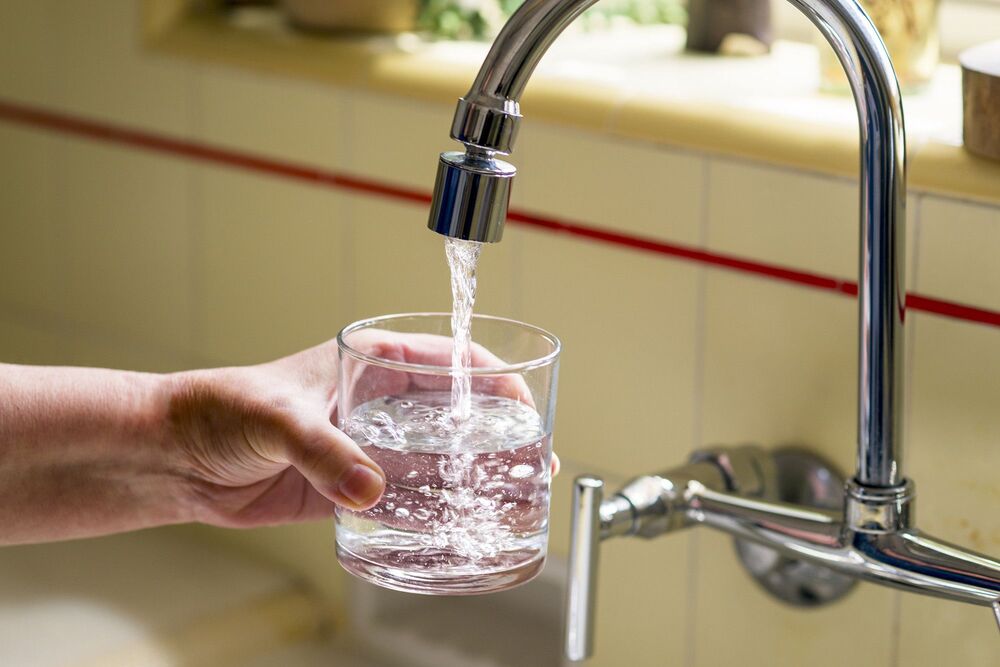
Tap water is not reliably safe to drink anywhere in Vietnam, including some hotel bathroom taps, so bottled or boiled water, and using it to brush your teeth, is the single food-safety habit that matters more than any vaccine on this page.
Good food safety in Vietnam comes down to a few consistent habits more than luck. Beyond water, the main risks are raw or undercooked meat and seafood, unpasteurized dairy, and raw or pickled freshwater crab and watercress, which can carry liver and lung flukes. If a dish involves raw blood or meat and you are unsure how it was prepared, it is fine to skip it, the same caution applies in any country. Ice in city restaurants is usually machine-made from treated water and generally fine, street-stall ice is the less certain one. Travelers' diarrhea affects an estimated 30 to 70% of visitors to Southeast Asia on any given trip, and loperamide plus oral rehydration salts, sold at any pharmacy for under 2 USD, handle most cases without a doctor visit.
Our airport pickup cars carry rehydration salts and charcoal tablets as standard, because the most common mid-trip message we get from guests is not about a scam or a missed bus, it is a stomach that disagreed with the street food on day two.
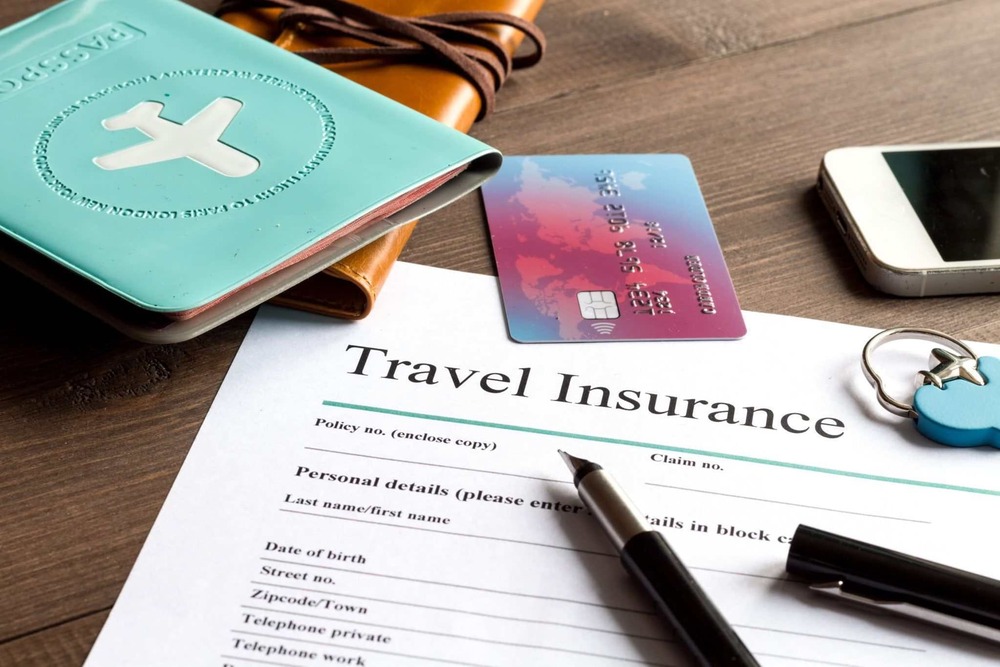
Travel insurance is not legally required to enter Vietnam, since immigration checks your passport and visa rather than any policy, but skipping it is still a bet against a hospital bill that can run into thousands of dollars if something goes wrong.
Basic travel insurance for Vietnam runs roughly 1.50 to 5 USD a day, so a 2-week trip costs about 20 to 70 USD; a more comprehensive 30-day plan runs closer to 80 to 150 USD. Set against that, a single complication can cost far more, as the table below shows. Many basic policies also exclude motorbike accidents unless you hold a licence valid in Vietnam, worth checking before you rent a scooter.
| Situation | Typical cost (private hospital) |
|---|---|
| Dengue hospitalization | 400 to 1,200 USD |
| Fracture surgery | 2,000 to 6,000 USD |
| ICU, per day | 200 to 600 USD |
| Medical evacuation to Bangkok or Singapore | 15,000 to 40,000+ USD |
Sources: vietnamtourism.com Vietnam travel insurance cost guide, checked November 2026; figures vary by hospital and policy.
Pharmacies are everywhere in Vietnamese cities and sell most common medications over the counter without a prescription, so a headache, mild stomach bug or minor cut rarely needs more than a short pharmacy stop, often for under 5 USD at any corner pharmacy.
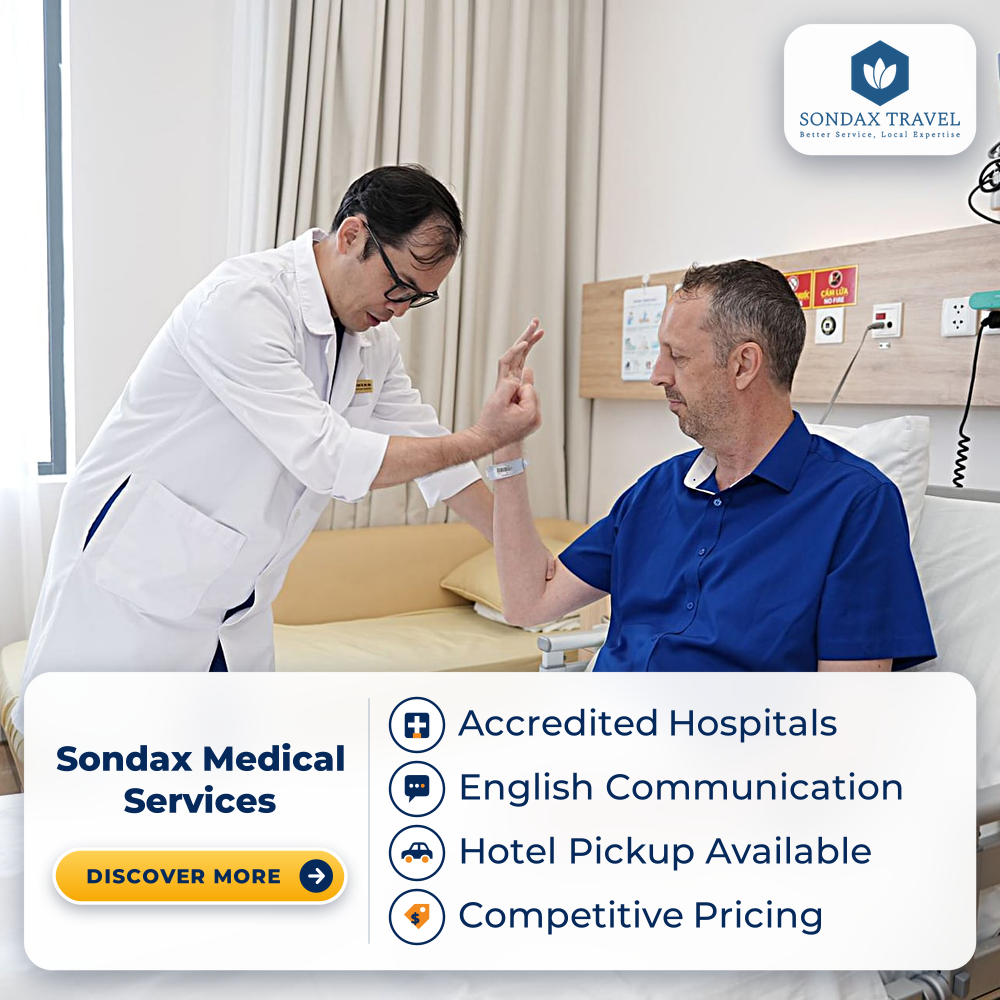
For anything more serious, Hanoi and Ho Chi Minh City both have private international hospitals with English-speaking staff and same-day results for routine tests; outside those two cities, specialist and inpatient care is thinner, and evacuation to Bangkok or Singapore is sometimes the realistic option. If a dog, cat or monkey bites or scratches you, treat it as urgent: wash the wound with soap and water for several minutes, then get the rabies vaccine series started the same day if you can. It is available at most district health centers in Vietnamese cities, and post-exposure treatment works if started promptly, waiting to see if symptoms appear is not a safe strategy. If you would rather not navigate a Vietnamese hospital's paperwork and English levels alone, a concierge service that pre-arranges accredited care and interpretation is worth considering for anything beyond a pharmacy visit.

Vietnam traffic safety comes down to two habits more than anything else: motorbikes often ride against the flow or onto sidewalks, so crossing at a steady, predictable pace and wearing a helmet on any bike matter more than avoiding any single disease on this page.
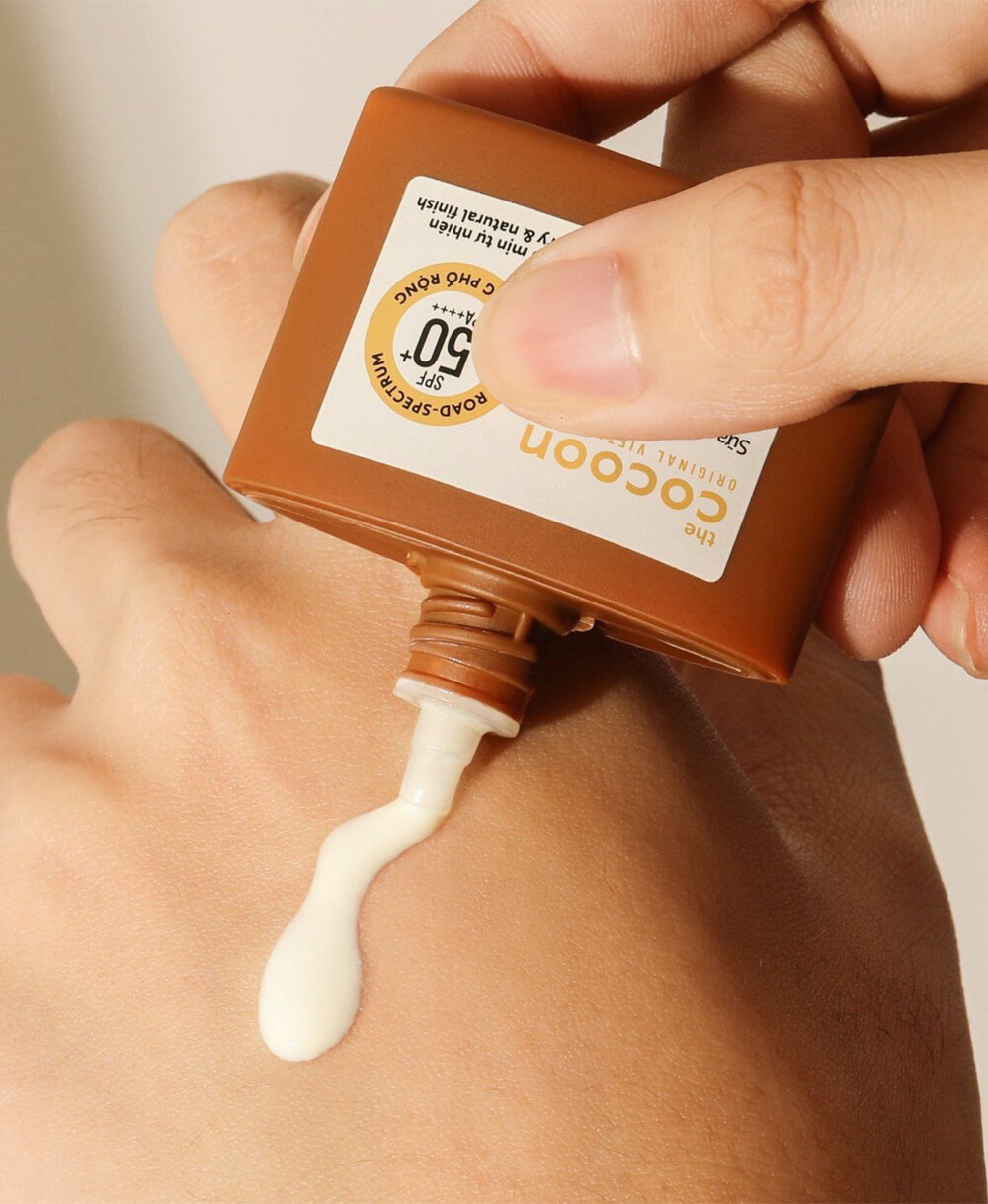
Heat and sun add up over a long day of sightseeing, broad-spectrum SPF 30+ sunscreen, water, and a hat go further than most travelers expect. Air pollution in Hanoi and Ho Chi Minh City can spike on still, dry-season days, travelers with asthma should carry an inhaler and check an air-quality app before a heavy walking day. Heavy rain brings its own risk: flooding and standing water raise the chance of leptospirosis, so avoid wading through floodwater, rivers or rice paddies after a storm, and planning around the rain by region is worth 5 minutes before you book an itinerary with a lot of outdoor days.
Most problems on this list are avoidable with a little planning rather than any special medical knowledge, and the same handful of mistakes comes up again and again among first-time visitors, usually because something looked optional on paper and turned out to matter once they landed.

Do I need a yellow fever vaccine for Vietnam?
Only if you are arriving from a country where yellow fever is present. Vietnam does not require it for travelers flying in directly from the US, UK, Australia or Singapore.
Is the tap water safe in Vietnam?
No. Tap water and ice made from it are not reliably safe anywhere in the country, so stick to bottled or boiled water, including for brushing your teeth.
Where can I get vaccinations for Vietnam before I travel?
A travel clinic or your regular doctor, ideally 4 to 6 weeks before departure. Many countries' pharmacies also offer travel vaccine consultations, and Hanoi and Ho Chi Minh City have international clinics if you need a dose after you land.
Do I need malaria pills for Hanoi, Ho Chi Minh City or Nha Trang?
No. These cities report 0 malaria cases, and pills are only worth discussing for rural, forested or border-area travel of a week or more.
Is travel insurance required to enter Vietnam?
No, it is not checked at the border, but a single hospital stay without it can cost thousands of dollars, which is why most travelers still buy it.
What else should I prepare before a trip to Vietnam?
Health is one piece of it. Visas, SIM cards, currency and getting around are separate questions, all covered in our full Vietnam travel guides.
For anything beyond an over-the-counter fix, Sondax arranges appointments at accredited hospitals with English-speaking support and transparent, no-markup pricing. See how our medical support service works before you need it, not after.