
15 articles on Sondax Travel
A native of Quang Ninh and its iconic Ha Long Bay, Duong Nguyen is a dedicated travel advisor driven by a lifelong love for the Indochinese peninsula. By blending personal wanderlust with a commitment to customer excellence, she helps travelers discover the true essence of Vietnam, Laos, and Cambodia. Her travel guides are recognized for being strictly authentic and objective, providing trustworthy insights that prioritize the traveler's genuine experience.

Summer in Vietnam runs from May through August, with daytime temperatures between 30 and 38 degrees across three climate zones that behave very differently from each other. The north gets heavy afternoon rain and sweltering cities but cool highlands. The central coast gets its driest, sunniest beach weather before typhoon season starts in September. The south sits in its rainy season, but showers rarely last more than two hours and prices drop 20 to 30 percent below peak season. You can travel all three regions in summer if you time it right.
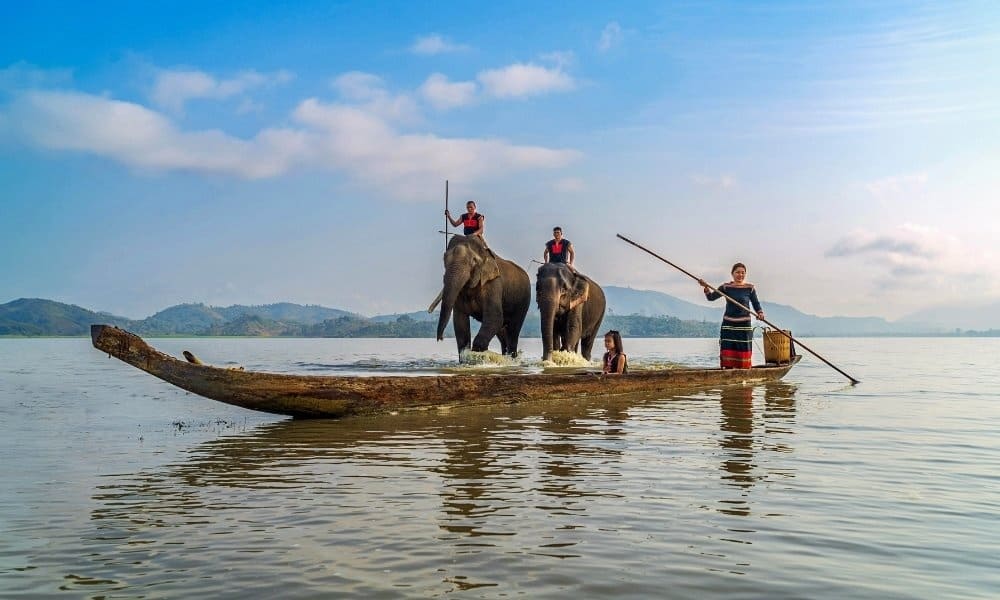
Mang Den is a small highland town in Kon Plong district, Kon Tum province, sitting at 1,200 meters with year-round temperatures between 16 and 22 degrees Celsius. It has the pine forests, cool air, and lake scenery that Dalat is famous for, minus the weekend crowds and inflated prices. Two to three days is enough to cover the waterfalls, ethnic villages, and cloud-hunting viewpoints. The catch: getting here takes planning.
Independent travelers often reach the An Suong Bus Station only to realize no transit signs are in English. Navigating rural transfers toward the Moc Bai border requires knowing exactly how to communicate your destination. The difference between getting stranded with unauthorized drivers and a simple $2 transit is having exact translation phrases. This guide gives you those phrases.
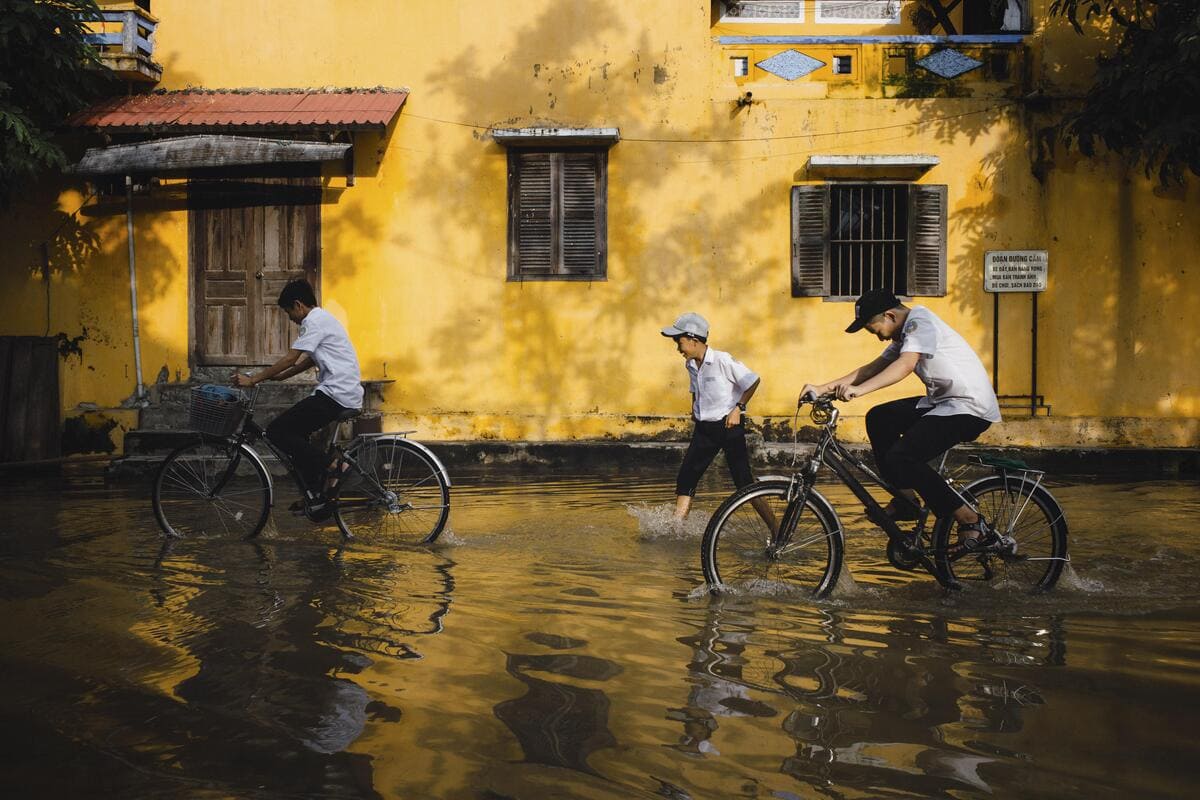
The Vietnam rainy season runs roughly from May to October in the north and south, mostly as short, heavy afternoon storms, and from September to December in central Vietnam, where October and November bring the heaviest rain, floods and most typhoons. Because the regions peak at different times, some part of the country is usually dry.
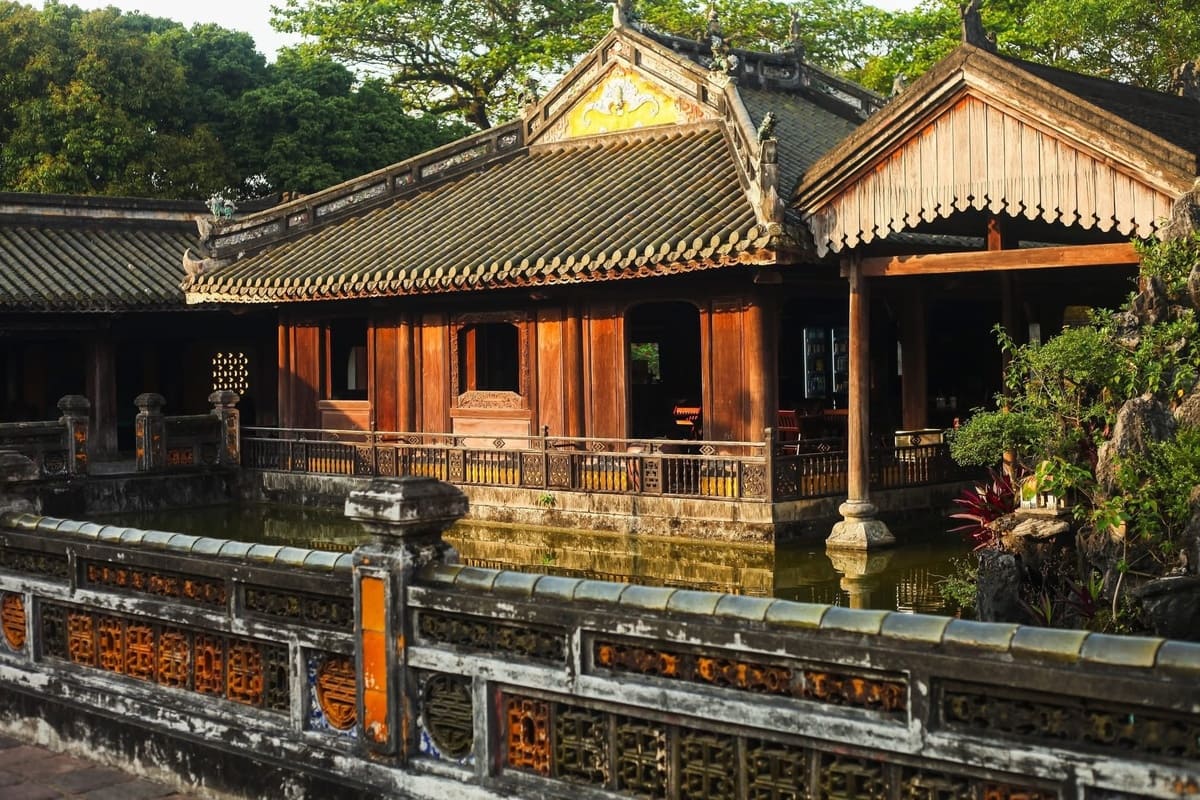
Hue is a city where history breathes on every corner and the food tells a story of royalty. If you want to experience the poetic soul of Central Vietnam away from the modern crowds, this guide is for you. From watching the sunset over the Perfume River to hunting down the best authentic bowl of Bun Bo Hue, here is how to explore Hue like an insider.
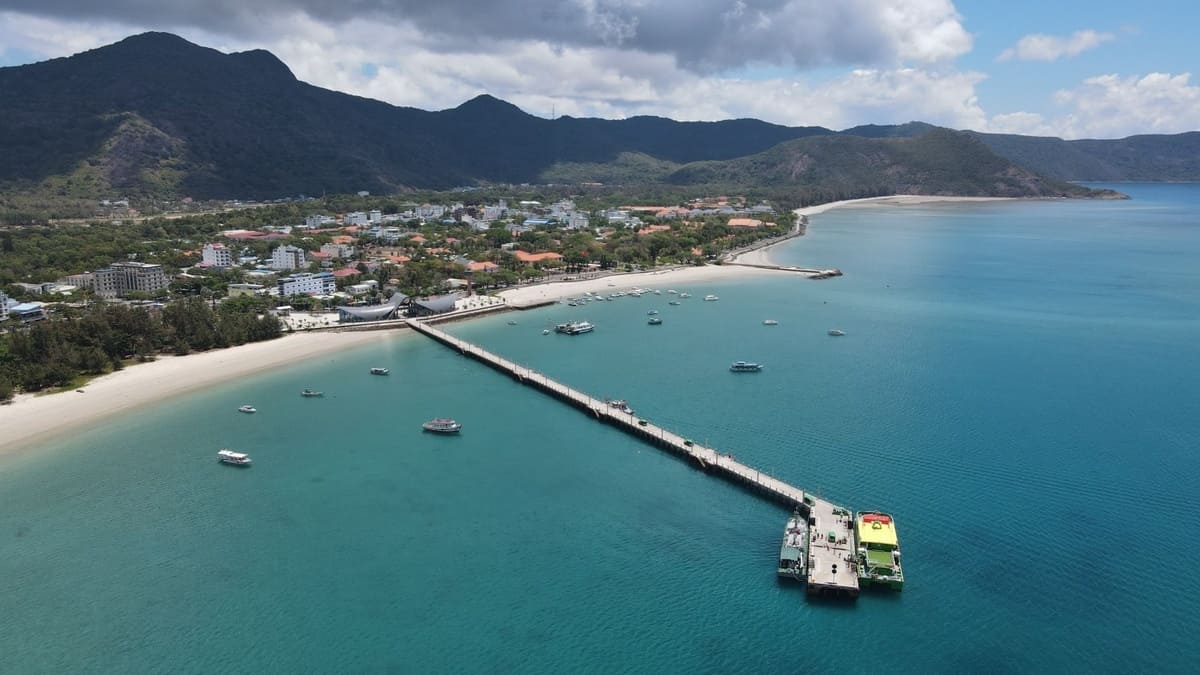
Con Dao Island is a protected archipelago about 180 km off the southern coast, reached by a 50-minute flight from Ho Chi Minh City or a 2 to 4 hour ferry from Tran De or Vung Tau. It suits divers, history readers and anyone who wants quiet beaches, and it costs more than most of Vietnam.
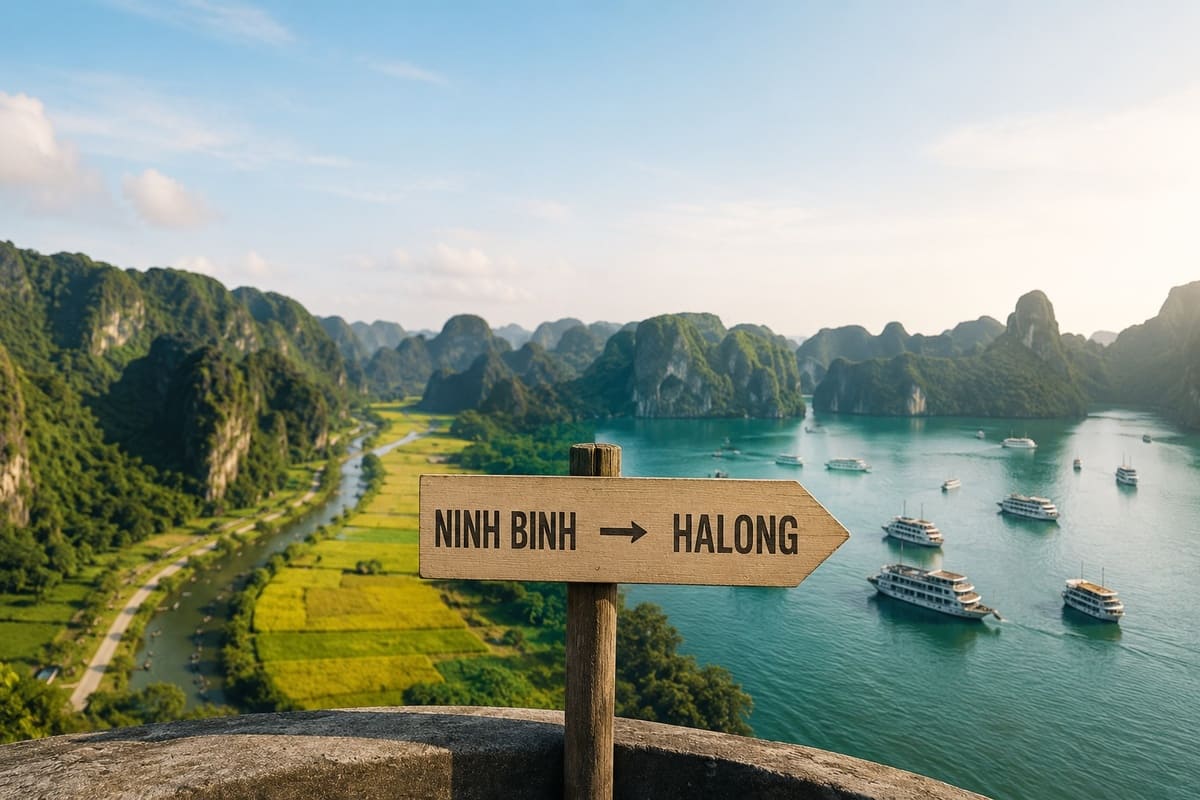
Ninh Binh to Ha Long Bay is about 200 km, and the easiest way to cover it is a direct limousine van: roughly 4 hours from hotel to cruise port for 300,000 to 350,000 VND (about 12 to 14 USD) per seat, with pickups from about 6:30 AM to reach a noon boarding. A private car costs more and follows your schedule, local seat buses start around 200,000 VND, and no direct train exists. The same options run in reverse from the ports. Prices below were checked in October 2026.

A fruit vendor in Hoi An might demand 300,000 VND for a photo op, while a perfectly brewed Ca Phe Sua Da just streets away costs less than two dollars. Balancing a Vietnam travel budget means knowing exactly when to use cash, which ATMs allow larger withdrawals, and why prices surge in different regions. This breakdown gives you those exact numbers.
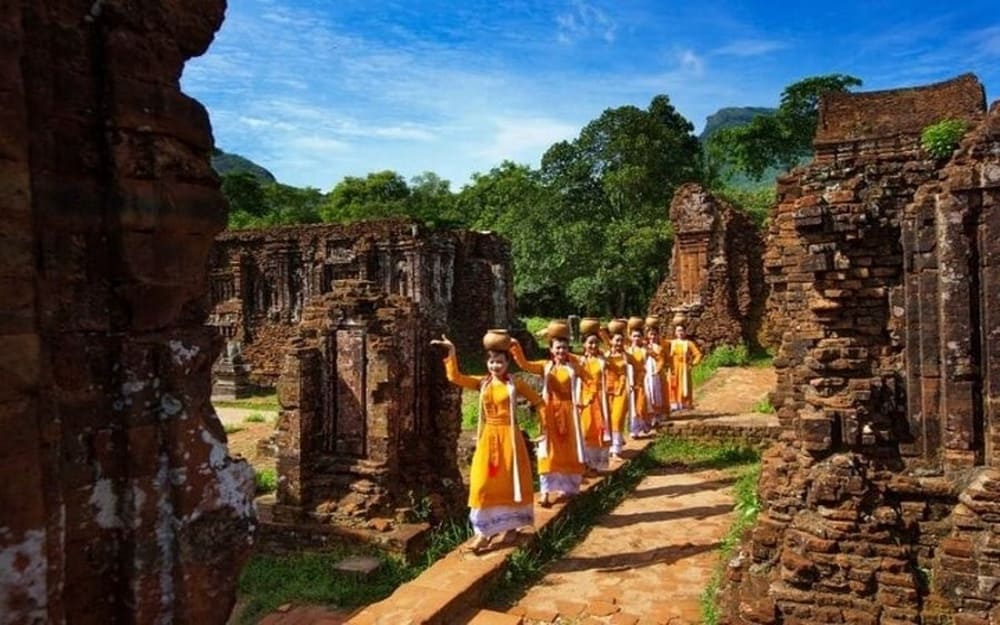
French restoration teams mislabeled temple group D nearly a century ago, an error that remains uncorrected today. Navigating these ancient brick ruins without a clear chronological plan means walking right past visible Vietnam War bullet holes, newly discovered pathways, and atmospheric outdoor performances while battling midday heat. This guide fixes that.
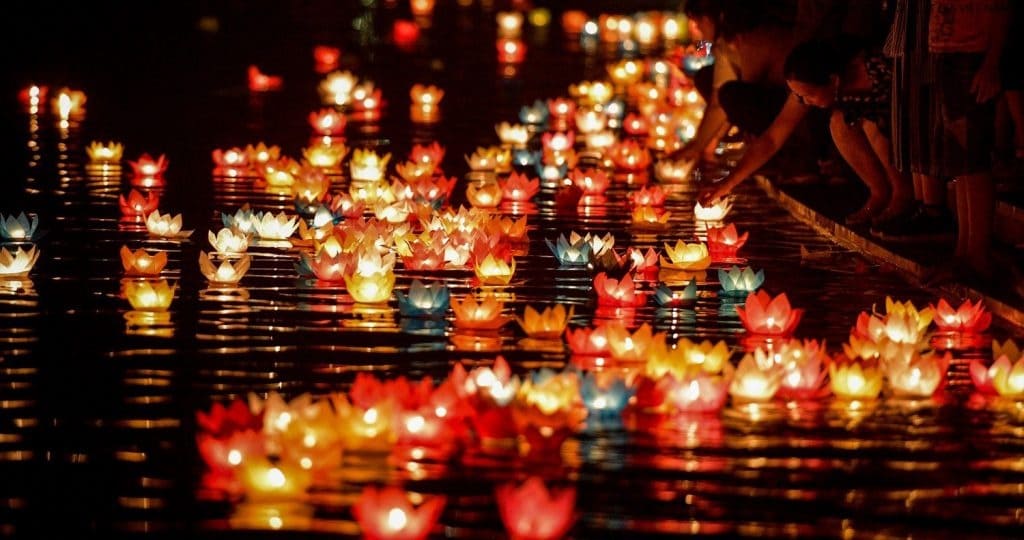
The Hoi An Lantern Festival is a bucket-list dream, but the reality can often be a crowded, overwhelming maze if you don't know the local rules. We’re stripping away the "Instagram filters" to give you the honest truth: from the exact official dates to the fair prices you should actually pay for a sampan ride
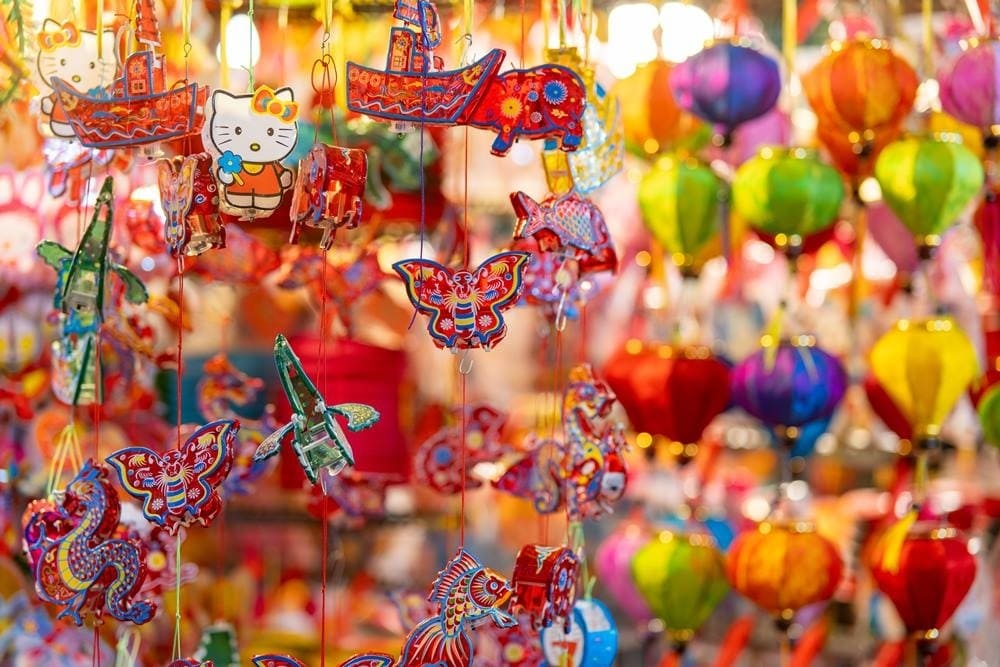
Planning a trip to Vietnam during the Mid-Autumn Festival? Known locally as Tet Trung Thu, this traditional 'Children's Festival' transforms streets into glowing lantern tunnels and fills the air with echoing drumbeats

The Vietnam arrival card is a free online declaration you submit up to three days before you fly. It is required at Tan Son Nhat (SGN) since 15 April 2026 and at Noi Bai (HAN) since June 2026. You get a QR code to show at immigration instead of a paper form.

Planning a trip to Vietnam's 'Ha Long Bay on land'? Ninh Binh offers stunning limestone karsts, ancient temples, and serene rice paddies, but navigating it without ride-sharing apps like Grab can quickly become frustrating.

Sapa is worth 2 to 3 days if you spend most of them outside the town: trekking the rice terraces of the Muong Hoa Valley, staying with Hmong, Dao or Giay families, and riding the cable car up Fansipan (3,143 m) for 850,000 VND. Go in September for golden terraces or March to May for clear skies. Sapa town itself is busy and built up, so treat it as a base, not the destination.
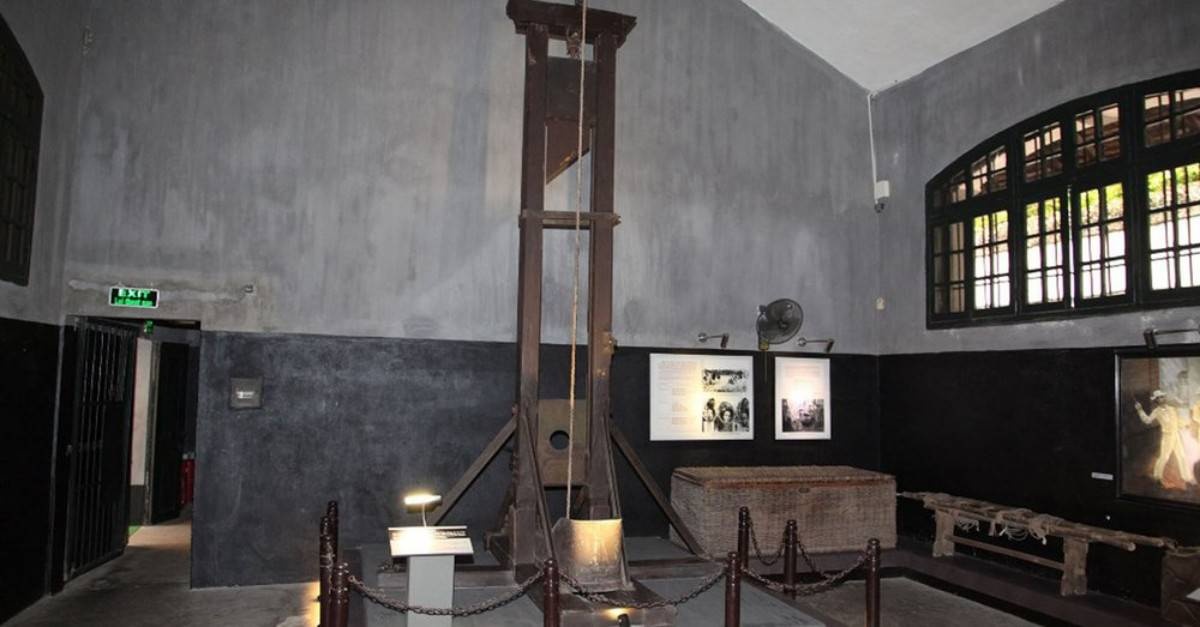
Stepping into Hoa Lo Prison is a journey through Vietnam's complex and harrowing past. Known as "Maison Centrale" by the French and the "Hanoi Hilton" by American POWs, this site offers stark contrasting narratives that can overwhelm first-time visitors.