Home
Services
Airport ServicesWorkshopsDay ToursMedical ServicesPrivate TransferTravel GuideAbout Us
Blog
Travel blogMedical blogContact Us
Home/ Medical Services/ Cancer & Health Screening/ Nasopharyngeal Cancer (NPC) Screening in Ho Chi Minh City
Nasopharyngeal Cancer (NPC) Screening in Ho Chi Minh City
NPC JCI International Accreditation - 4 times in a row (2016–2025)6 Nguyen Luong Bang St., Tan My Ward, District 7, Ho Chi Minh City English Reports

Nasopharyngeal Cancer (NPC) Screening in Ho Chi Minh City

Screening for nasopharyngeal cancer with EBV DNA blood test, NBI nasolaryngoscopy, and ENT specialist consultation, particularly recommended for adults of Asian descent, with English-language results at JCI-accredited FV Hospital in Ho Chi Minh City, South Vietnam.
1 to 2 hours
3 tests included
English-language report

What's Included

Consultations
Consultation with an ORL Specialist
Ear, nose and throat specialist reviews all results, examines you, and discusses findings and risk level
Blood Test
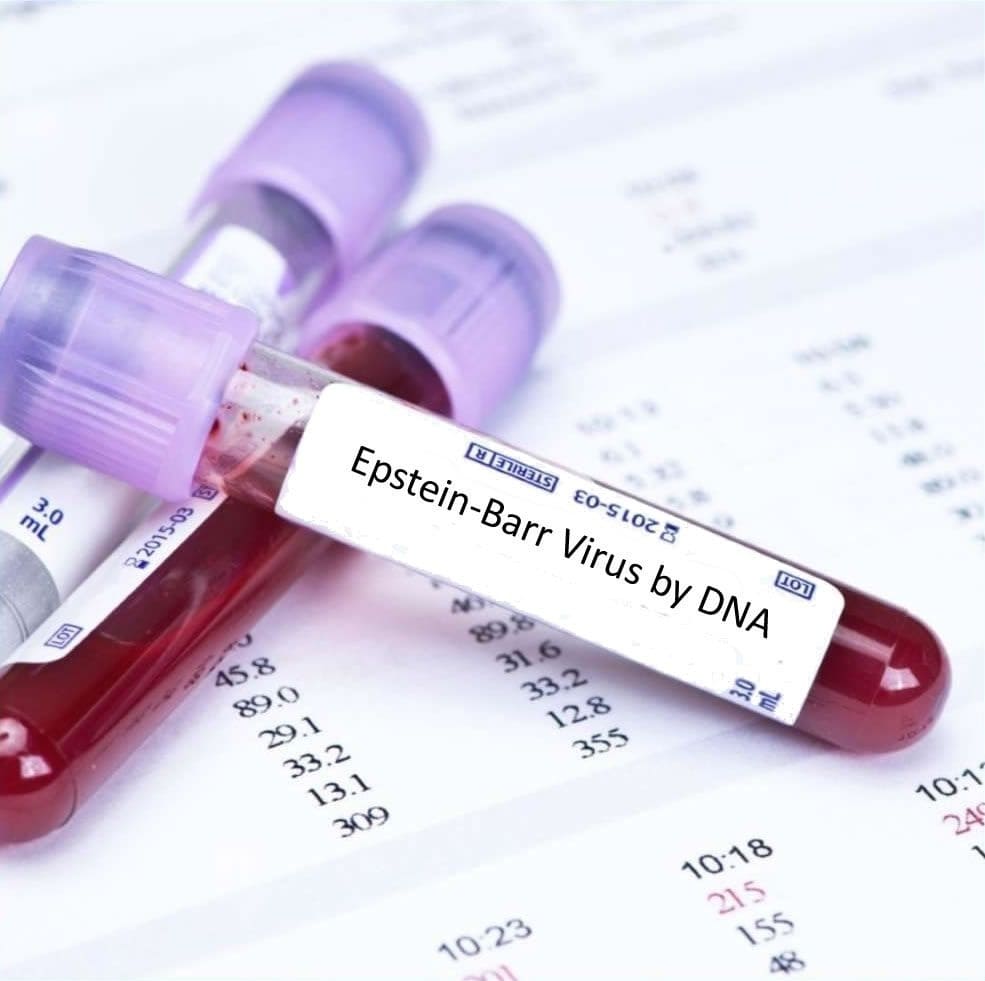
Epstein-Barr Virus (EBV) DNA, Quantitative PCR
Blood test that measures the level of EBV DNA, a virus strongly linked to nasopharyngeal cancer development
Endoscopy
NBI Nasolaryngoscopy
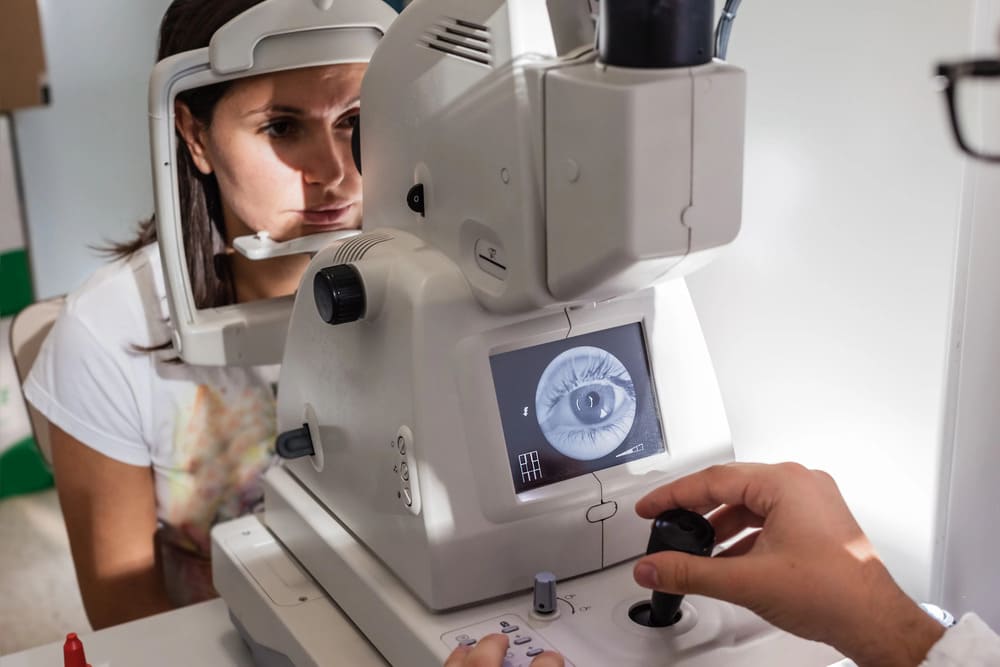
Narrow Band Imaging endoscope inserted through the nose to examine the nasopharynx in high-definition detail, highlighting abnormal blood vessel patterns that may indicate early cancer

How to Prepare

No fasting or special diet is required.
Other exams and additional tests are not included in this programme.
Repeat schedule depends on your results: annually if the EBV serology is positive, or every three years if the serology is negative and no lesion is found.
All prices are per person and subject to change without prior notice.

Checkup Process

1
Book Your Appointment
Sondax schedules your screening and confirms with FV Hospital's ENT department.
2
Check-in at FV Hospital
Arrive at FV Hospital in Ho Chi Minh City. Our team assists with registration and language support if needed.
3
Complete Your Screening
A blood sample is taken for the EBV DNA PCR test. The ENT specialist then performs an NBI nasolaryngoscopy, a thin endoscope passed through the nose to examine the back of the throat in detail. The procedure takes only a few minutes.
4
ENT Specialist Consultation
Your ORL specialist reviews the blood test and endoscopy findings with you in English, explains your risk level, and sets the recommended screening interval going forward.

Not Included

  • Treatment for any conditions identified
  • Biopsy, if recommended after screening
  • Additional tests beyond those listed
  • Follow-up specialist consultations
  • Medication costs, if prescribed after consultation
  • Hospitalisation or surgical procedures
  • Travel insurance and accommodation

About the Hospital

Medical Provider
FV Hospital (FV Thomson)
View hospital profile

A Cancer Most People Have Never Heard Of

Nasopharyngeal cancer (NPC) does not get the same attention as lung, breast, or colon cancer. But in South-East Asia and Southern China, it is one of the more common cancers, and it has a pattern that sets it apart: it disproportionately affects people of Asian descent, is closely tied to the Epstein-Barr virus, and tends to develop silently in a part of the body you cannot see or feel on your own.

The nasopharynx sits behind the nose, above the soft palate, in a location that makes self-detection impossible. By the time a lump appears in the neck or hearing changes, the cancer has typically progressed beyond its earliest stage. Screening with an EBV blood test and NBI endoscopy is the most effective way to catch it early, when treatment outcomes are significantly better.

At FV Hospital in Ho Chi Minh City, this screening is available at a fraction of what comparable programmes cost at private hospitals in Singapore or Hong Kong. Sondax handles scheduling, transport, and English-language support.

Who Should Get Screened

This programme applies to men and women from age 30 onwards, especially those with the following risk factors:

  • South-East Asian or Southern Chinese (Cantonese) heritage
  • History of Epstein-Barr virus infection
  • Regular diet of salt-cured fish, pickled vegetables, or preserved meats
  • A family member who has been diagnosed with NPC
  • Regular smoking
  • Occupational exposure to wood dust, formaldehyde, or other industrial chemicals

If two or more of these apply to you, NPC screening should be part of your regular health routine. Even one factor is enough reason to discuss screening with your doctor.

What Each Test Reveals

Epstein-Barr Virus (EBV) DNA, Quantitative PCR: Nearly all NPC tumours contain EBV. This blood test measures how much EBV DNA is circulating in your bloodstream. Elevated levels signal either active disease or a heightened risk that warrants closer monitoring. It is a simple blood draw with no special preparation.

NBI Nasolaryngoscopy: A thin, flexible scope is passed through the nose to reach the nasopharynx. NBI (Narrow Band Imaging) filters the light to specific wavelengths that make abnormal mucosal blood vessel patterns glow more visibly against healthy tissue. This allows the ENT specialist to detect surface changes at a very early stage, often before a tumour mass has formed. A local anaesthetic spray is applied to the nose beforehand to minimise discomfort.

ORL Specialist Consultation: Your ENT specialist reads the EBV result alongside the endoscopy images, correlates them with your personal risk profile, and determines whether any further action is needed. If a suspicious area is seen, the specialist may recommend biopsy. If everything is clear, they will set your next screening date.

Your Screening Experience at FV Hospital

You arrive, check in, and a blood sample is drawn for the EBV PCR. Then you are taken to the ENT clinic where a local anaesthetic spray numbs the nasal passage. The NBI nasolaryngoscope is inserted gently and the specialist examines the nasopharynx on a high-definition screen in real time. The entire endoscopy takes only a few minutes. Afterwards, the ORL specialist sits down with you, reviews both the blood test and endoscopy findings in English, explains what they mean for your individual risk, and sets the recommended screening interval: annually if EBV markers are elevated, or every three years if everything is clear.

How NPC Screening Fits with Other Programmes

If you are planning a general health check-up at FV Hospital, note that the Standard, Extensive, and Executive Check-up Programmes include an ORL consultation and naso-fibroscopy as part of their ENT assessment. However, they do not include the EBV DNA PCR blood test or the specialised NBI light technology used in this screening. If NPC risk is a specific concern for you, this dedicated programme provides the focused tools designed for early NPC detection. Contact Sondax to discuss whether to book it alongside or separately from a general check-up.

Important Notes

All prices are per person and subject to change without prior notice. Other exams and additional tests are not included in this programme. NPC screening should be repeated annually if the EBV serology is positive, or every three years if the serology is negative and no lesion is found.

About FV Hospital and JCI Accreditation

FV Hospital was established in Ho Chi Minh City in 2003 and is a member of Thomson Medical, one of Southeast Asia's leading healthcare groups. FV was the first hospital in southern Vietnam to earn the JCI Gold Seal in 2016, and has renewed its JCI accreditation four consecutive times with over 98 percent compliance across more than 1,200 international patient safety and quality criteria.

With 45+ specialties, 210+ Vietnamese and international doctors, and care for more than 6 million patients since 2003, FV blends French and Vietnamese medical expertise and provides English- and French-speaking staff for international patients.

Frequently Asked Questions

I have no symptoms. Why should I consider NPC screening?
Nasopharyngeal cancer is unusual in that it rarely causes obvious symptoms in its early stages. When symptoms do appear, such as a lump in the neck, persistent nasal congestion, or hearing changes, the cancer is often already at an advanced stage. Screening catches it before symptoms develop, when treatment is most effective.
Why is this screening particularly recommended for Asian people?
NPC has a strong geographic and ethnic pattern. It is significantly more common in people of South-East Asian and Southern Chinese (especially Cantonese) descent compared to other populations. Dietary habits such as regular consumption of salt-cured fish and preserved meats, combined with higher rates of Epstein-Barr virus exposure in these regions, contribute to the elevated risk. If you have this background, screening is especially worthwhile.
What is the EBV test and why does it matter?
Epstein-Barr virus (EBV) is carried by most adults worldwide, but in certain populations it plays a direct role in triggering nasopharyngeal cancer. The EBV DNA Quantitative PCR measures the amount of viral DNA circulating in your blood. Elevated levels are associated with active NPC or higher risk of developing it. This blood test is one of the most reliable early markers available.
What does the NBI nasolaryngoscopy involve? Is it painful?
A thin, flexible endoscope is passed gently through your nose to examine the nasopharynx, the area behind the nose and above the throat. NBI (Narrow Band Imaging) uses specific wavelengths of light that make abnormal blood vessel patterns stand out clearly, helping the specialist spot early changes invisible to the naked eye. The procedure takes a few minutes and may feel slightly uncomfortable, but it is not painful. A local anaesthetic spray is typically applied beforehand.
How often should I repeat the screening?
That depends on your results. If the EBV serology is positive, annual screening is recommended. If the serology is negative and no lesion is found, screening every three years is sufficient. Your ENT specialist will confirm the right interval for you.
From $161
per person · contact for exact price