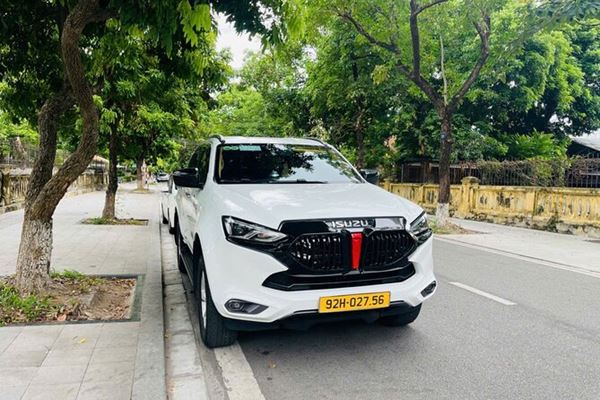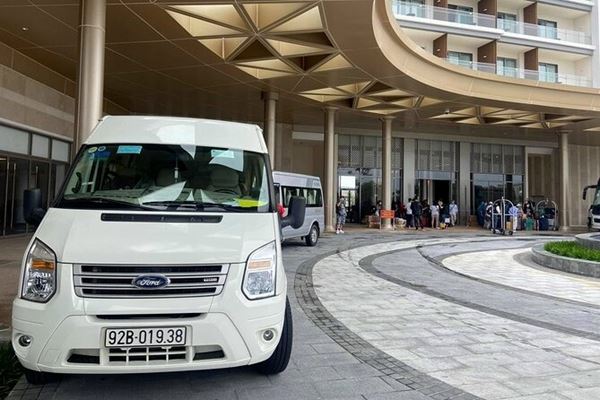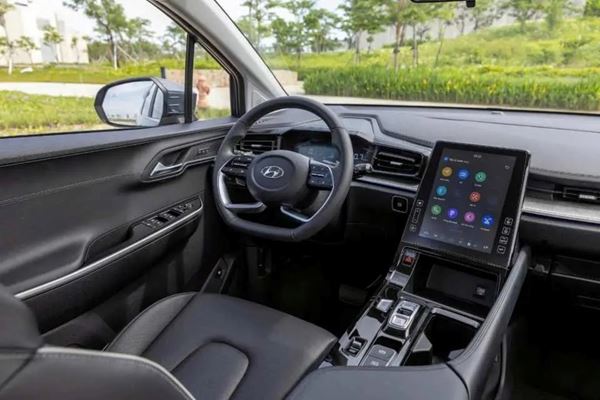

Car rental with driver Vietnam runs 40 to 150 USD a day depending on the vehicle, and it's the option most self-drive companies recommend to visitors too.
Car rental with driver Vietnam typically runs 40 to 150 USD a day depending on the vehicle, and it's the option most self-drive rental companies themselves recommend when you'd rather hire a car with driver Vietnam-wide than navigate the traffic and paperwork yourself. Vietnam allows self-drive rentals for foreigners in theory, but the paperwork and city traffic make a driver the more practical choice for most trips.
This guide compares the cost of hiring a car with a driver against self-driving, when a one-way transfer beats a full-day hire, and what to check before you book.
The short version
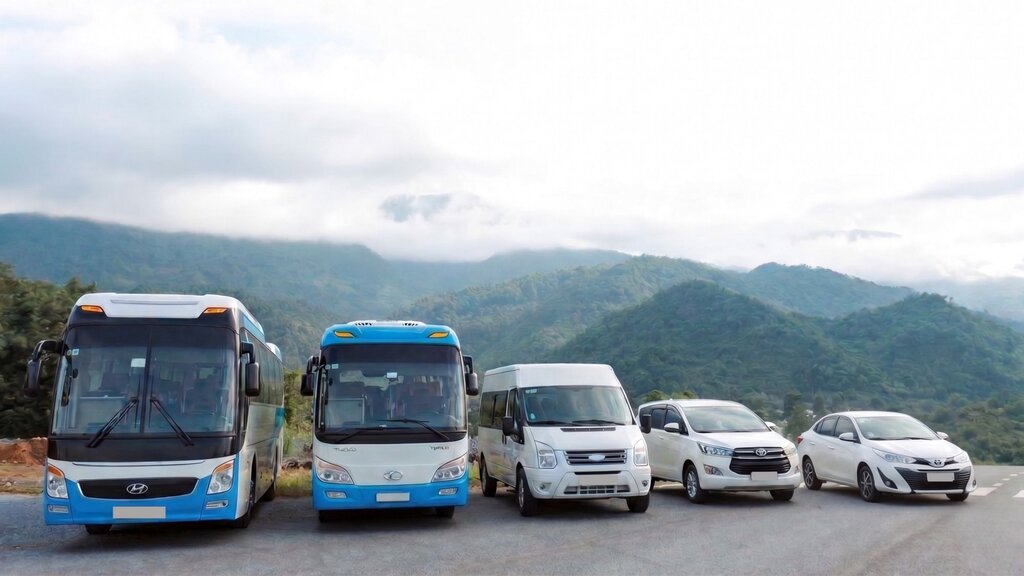
Car rental with driver Vietnam cost scales with vehicle size: a 4-seat sedan runs about 40 to 60 USD a day, a 7-seat MPV 50 to 80 USD, an SUV 60 to 100 USD, and a 16-seat minivan 80 to 120 USD. Most quotes already include fuel, tolls, and parking, so the daily rate is close to the total cost.
| Vehicle | Typical daily rate | Usually included | Watch for |
|---|---|---|---|
| 4-seat sedan | 40-60 USD | Fuel, tolls, parking | Airport pickup fee |
| 7-seat MPV | 50-80 USD | Fuel, tolls, parking | Extra for an English-speaking guide |
| SUV | 60-100 USD | Fuel, tolls, parking | Higher toll routes may cost extra |
| 16-seat minivan | 80-120 USD | Fuel, tolls, parking | Driver's food and lodging on multi-day trips |
Sources: localvietnam.com's Vietnam car rental pricing page and vietnamdrive.com's self-drive rental page, both checked October 2026.
Prices climb for longer one-way routes, since the driver has to return to the starting point empty. A private car Vietnam price for a fixed route, like Hanoi to Ha Long Bay, is often quoted as one flat fare per vehicle rather than a daily rate at all.
Self-driving in Vietnam is legal for foreigners who carry an International Driving Permit Vietnam requires alongside their home license, plus a valid visa and at least 23 years old with 1 year of driving experience. Self drive car rental Vietnam listings run about 50 to 100 USD a day, excluding fuel, tolls, and full insurance, so it's not automatically cheaper.
We hear the same thing from clients who've tried both: city traffic in Hanoi or Ho Chi Minh City takes a season to get comfortable with, and a surprise document check at a provincial checkpoint is not how anyone wants to spend a travel day. Even the self-drive rental companies themselves tend to suggest adding a driver once a trip leaves the main cities, which says something about how often it's actually chosen in practice. The math also shifts once you add insurance: a self-drive policy with full coverage can close most of the gap with a driver's day rate, so the headline price difference is smaller than it first looks.
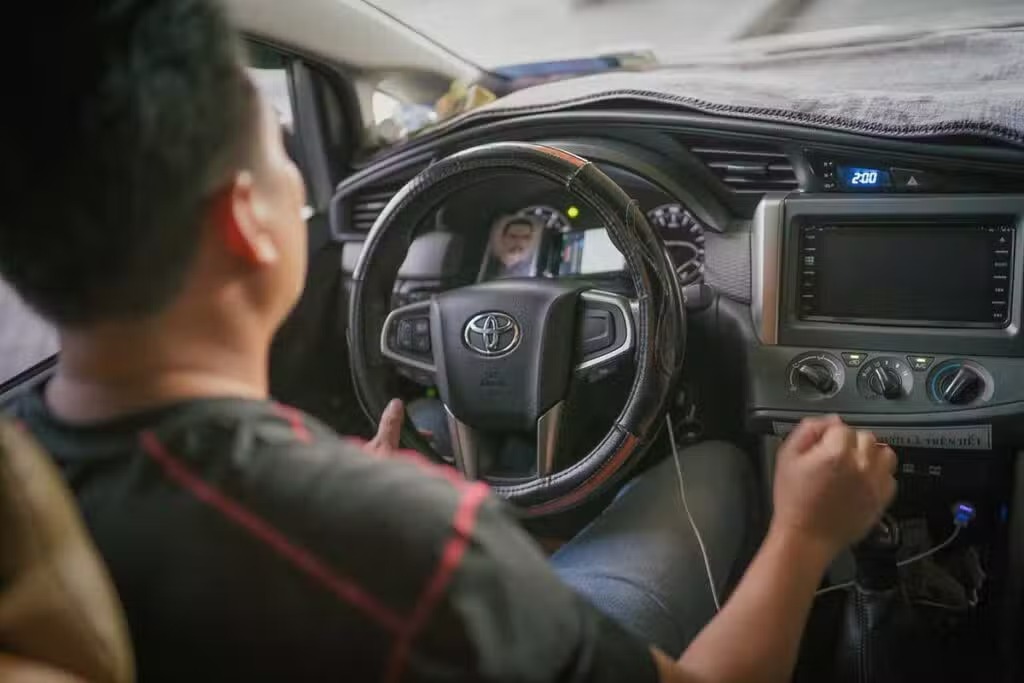
A one-way transfer between 2 fixed points, such as the airport to your hotel or Hanoi to Ha Long Bay, is usually priced as a flat fare per vehicle, cheaper than booking a full day for a single leg. A full-day or multi-day hire fits better when your route has several stops or waits between them.
Our own private car service runs fixed-route transfers like Hanoi to Ha Long Bay and Da Nang to Hoi An or Hue, priced per vehicle with tolls and fuel included. If your plan is broader than a single transfer, our Vietnam transportation guide compares every option across the country, including flights, trains, and sleeper buses for the legs a car isn't the best fit for.
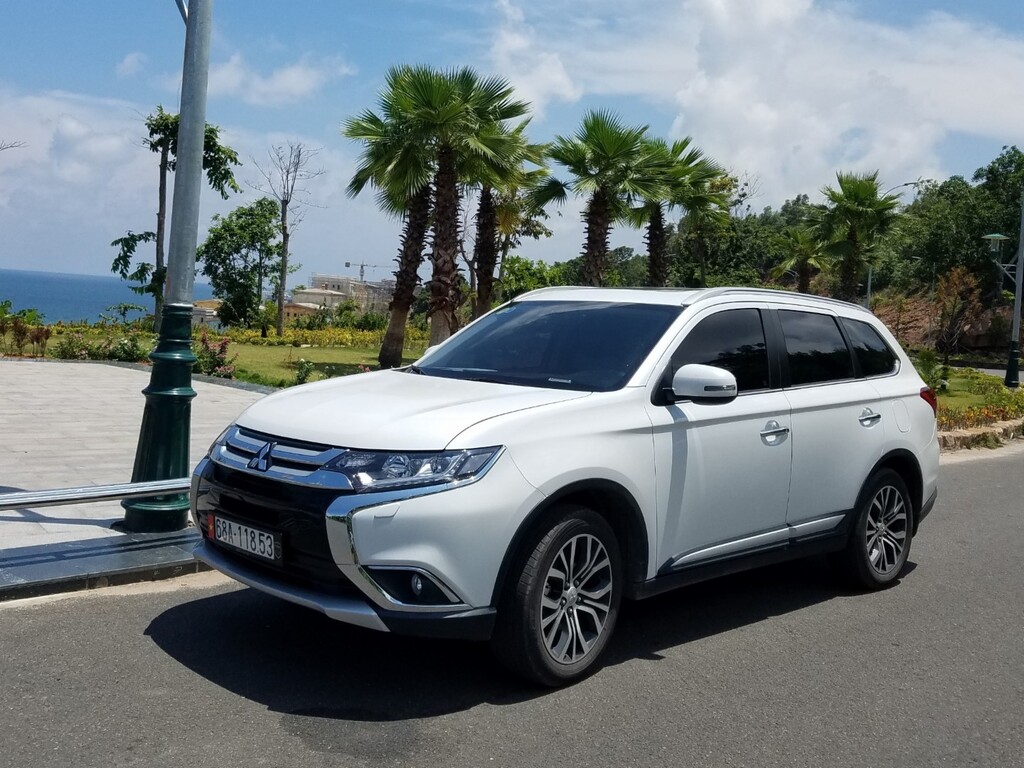
Before confirming a quote, ask exactly what's included: fuel, tolls, and parking are usually bundled, but airport pickup fees, an English-speaking guide, and a driver's food and lodging on multi-day trips often aren't. A quote that looks unusually low compared to the ranges above is worth double-checking rather than assuming it's a bargain.
Also ask how cancellations and route changes are handled, since plans shift once you're actually on the ground and a rigid policy can turn a small delay into an extra charge. If your trip is mostly short hops within one city, a Grab or taxi booked per ride will usually beat a day-rate car, since you're only paying for the distance you actually cover. A car with driver earns its price back once your day includes multiple stops, a return leg, or waiting time between them. Beyond transport, our general trip-prep checklist covers what else is worth sorting out before you go.
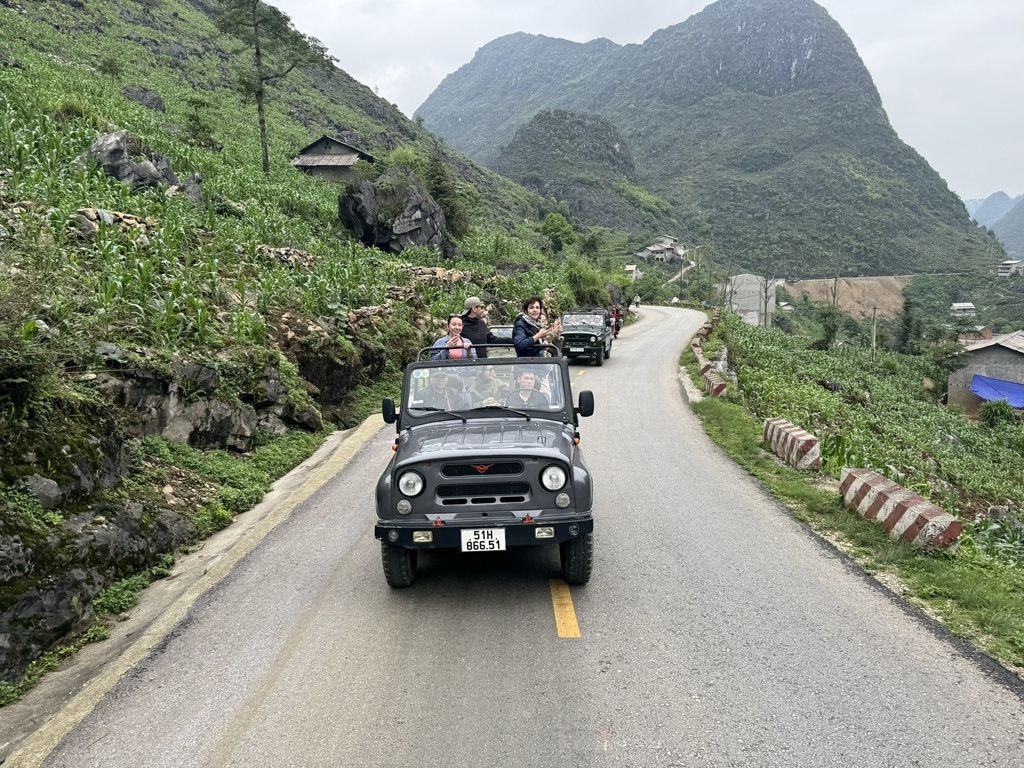
Tipping a private driver in Vietnam is appreciated but not required, and a rough guideline many visitors follow is somewhere between 100,000 and 200,000 VND (~4 to 8 USD) per day on a multi-day hire, more if the driver goes out of their way to help.
It's worth budgeting something whenever the same driver is with you for more than a day. Our typical tipping amounts guide covers drivers and guides so you're not guessing on the day.

How much does it cost to hire a car with a driver in Vietnam?
Expect roughly 40 to 150 USD a day depending on the vehicle, usually including fuel and tolls. A one-way transfer between 2 fixed points is often cheaper, priced as a flat fare per vehicle instead.
Can foreigners self-drive rent a car in Vietnam?
Yes, with an International Driving Permit, a valid passport and visa, and a minimum age of 23 with 1 year of driving experience. Most rental companies still recommend hiring a driver instead, given city traffic and the chance of a document check.
Is it cheaper to hire a car with driver or take Grab for a day trip?
For a single short trip, Grab or a taxi is usually cheaper. A car with driver pays off once your day includes multiple stops or a return leg, since you're not paying for each ride separately.
Do I need to tip the driver?
It's not required, but it's common practice, especially on multi-day trips with the same driver throughout.
Need a fixed-price car for one leg of your trip?
Our private car transfers run several of the most-booked routes with an English-speaking driver, fuel and tolls already included in the price.
Best visited during dry season (November to April) for ideal weather.
Book accommodations in advance during peak travel season.
Carry local currency (Vietnamese Dong) for markets and small vendors.
Respect local customs and dress modestly when visiting temples.