
The best ways to travel around Vietnam mix flights, trains, sleeper buses, motorbikes, and private cars, chosen leg by leg, not once for the whole trip.
The best ways to travel around Vietnam depend on the route, not a single fixed choice: domestic flights win on long hauls, trains and sleeper buses cover overnight distances in comfort, and a private car or self-drive motorbike suits short, scenic hops. Most travelers mix two or three of these across one trip rather than picking just one for the whole country.
Think of this as a quick Vietnam transportation guide, the short version of how to travel around Vietnam without wasting a day on the wrong leg.
The short version
Vietnam stretches more than 1,600 km from Hanoi to the Mekong Delta, so no single mode covers the country well on its own. Flights make sense when a leg would otherwise eat a full day; trains and sleeper buses suit overnight distances where arriving rested matters; and motorbikes or a private car work best over shorter, view-heavy stretches.
| Mode | Typical cost | Speed and comfort | Best for |
|---|---|---|---|
| Domestic flight | Varies by route and booking window | Fastest, plus airport time on each end | Long hauls across the country |
| Train | 150,000-950,000 VND by class | Steady and spacious, slower | Scenic overnight routes |
| Sleeper bus | 150,000-750,000 VND by route | Reclining berth, cheapest overnight option | Budget long-distance travel |
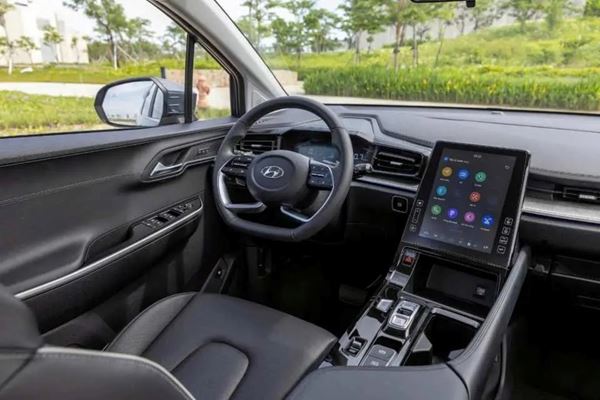
| Self-drive motorbike | Modest daily rate | Full control, no fixed schedule | Short, scenic legs |
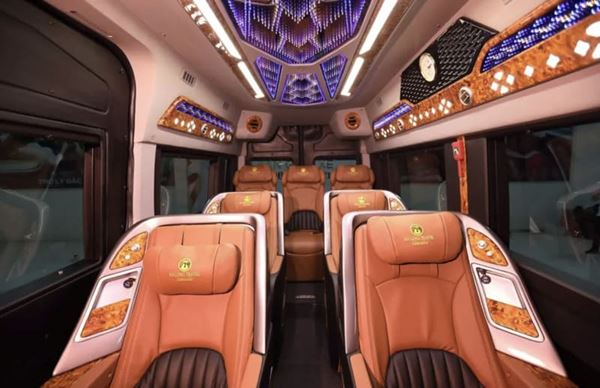
| Private car with driver | Priced per vehicle, not per person | Door-to-door, most comfortable | Groups, families, fixed routes |
Sources: train and sleeper bus price ranges from Klook's Vietnam transport guide, cross-checked against Sondax's own train and sleeper bus guides, October 2026.
The sections below break down cost, comfort, and booking for each option, in roughly the order most travelers reach for them when getting around Vietnam on a multi-city trip. Once you land, Grab Vietnam-wide handles the short, last-mile hops between these legs.
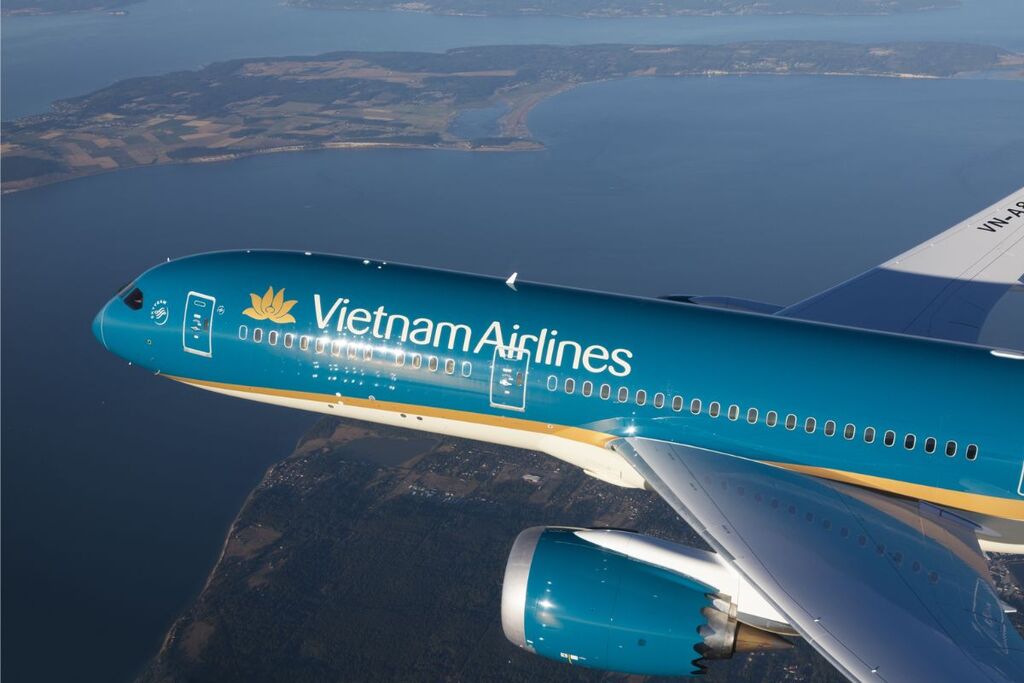
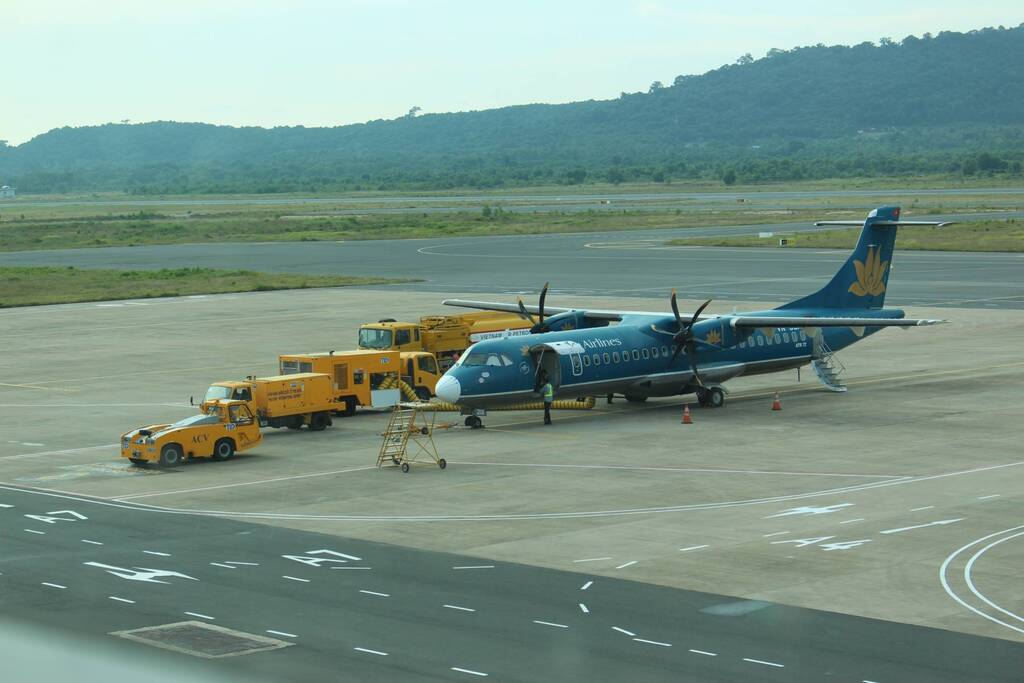
If your itinerary spans the whole country, say Hanoi to Ho Chi Minh City or Hanoi to Phu Quoc, a flight turns a day and a half of overland travel into about two hours in the air. Vietnam's domestic network is dense, with several airlines competing on the busiest routes.
The trade-off is the usual airport overhead: checking in, security, and getting to and from the terminal can eat up more time than the flight itself on a short route. A full breakdown of airlines, baggage rules, and how early to arrive is covered in the dedicated guide linked below.
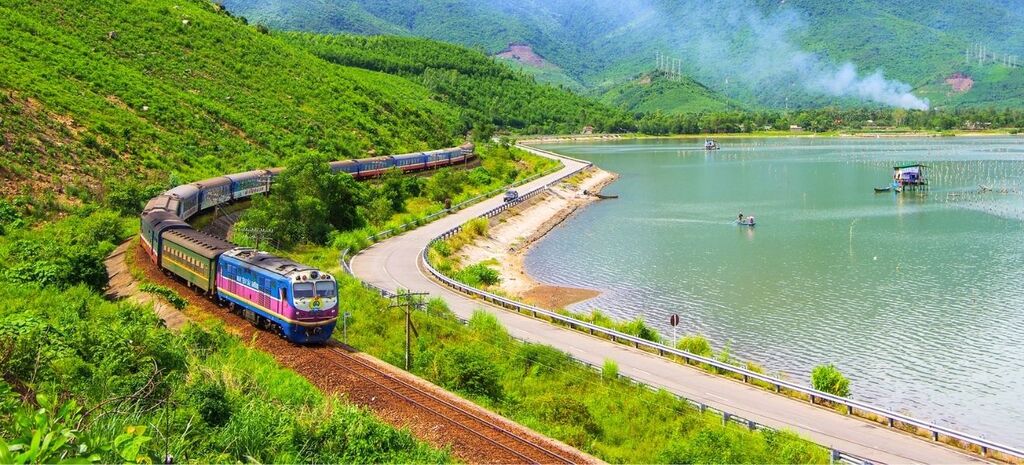
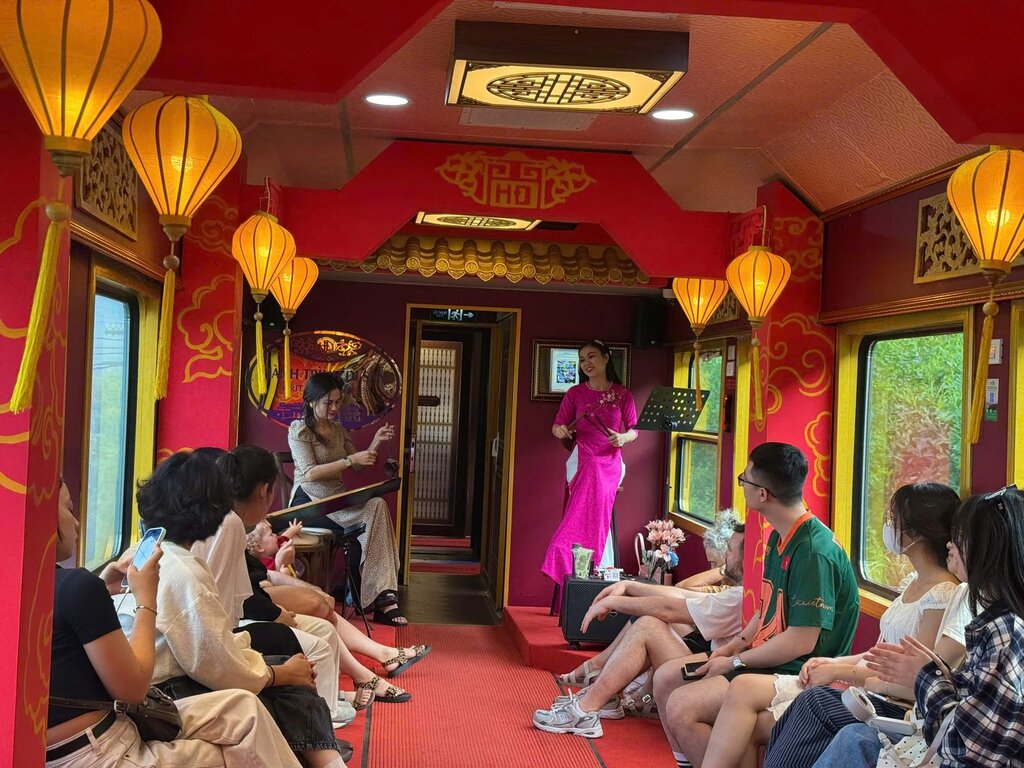
The Reunification Express runs the length of the country along the coast, with a handful of regional lines branching off it. Fares run roughly 150,000-950,000 VND depending on class, from hard seats to private soft-sleeper cabins. Trains are wider and steadier than buses, so they suit travelers who want room to stretch out.
They're also the slowest option on paper, but that's often the point: the Hanoi to Da Nang and Hanoi to Sapa overnight runs are scenic enough that the journey is part of the trip, not just a way to skip it. Booking tips and which routes are worth the extra hours are in the dedicated guide linked below.
Sleeper buses cover the same long-haul routes as trains, usually for less money, typically 150,000-750,000 VND depending on the route and operator. Seats recline into flat-ish berths with a blanket and a charging port, and an overnight departure means skipping a night's accommodation cost altogether.
Comfort varies more by operator than by route, so a reputable company matters more than the price tag alone. How to pick one, what to expect on board, and which routes run overnight are in the dedicated guide linked below.

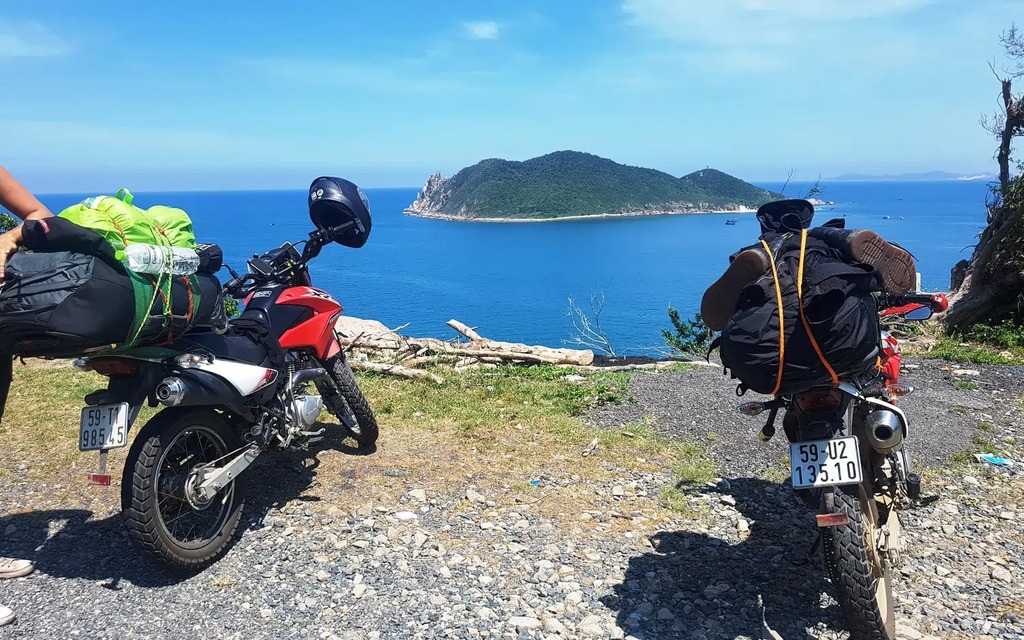
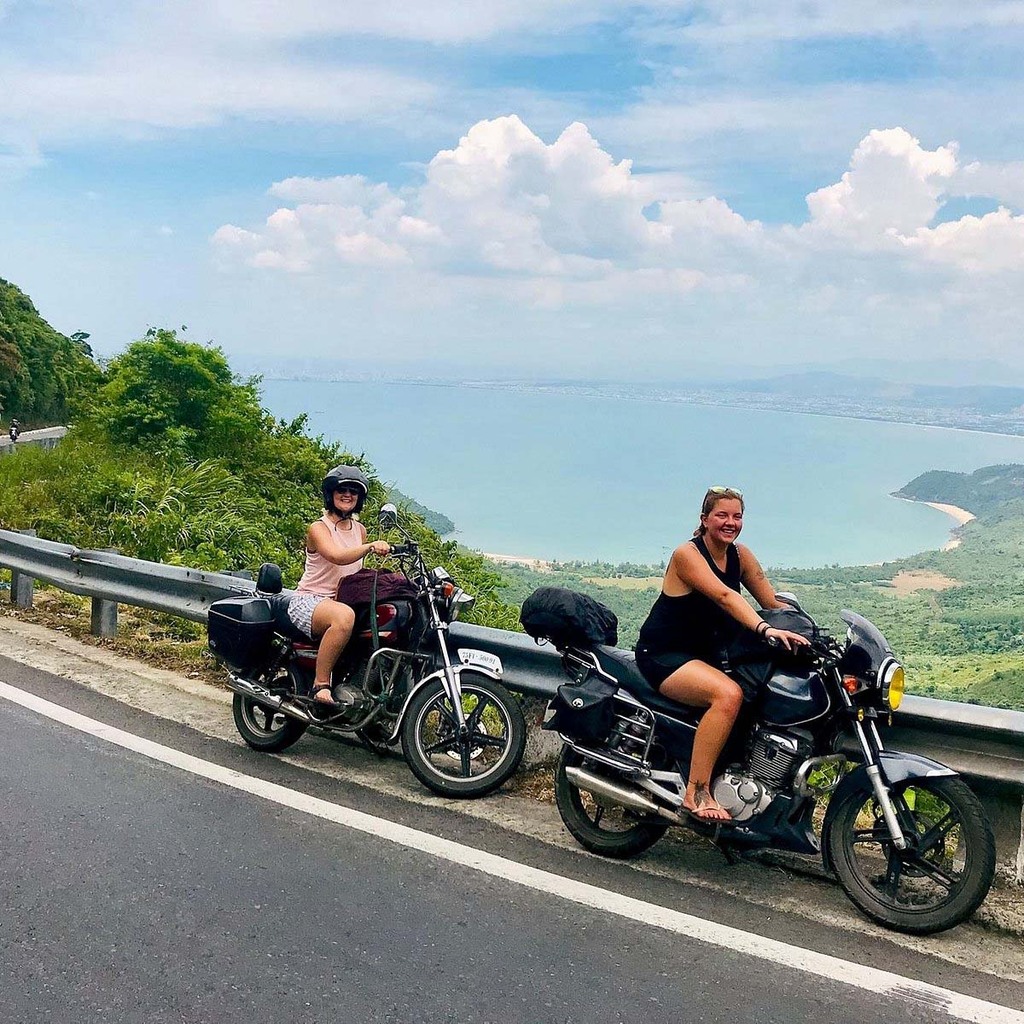
Renting a scooter or manual motorbike makes the most sense for shorter, scenery-heavy legs, such as the Ha Giang Loop, the hills around Da Lat, or a day trip out of Hoi An, where stopping wherever you like matters more than covering distance fast. Daily rental rates are modest, and most shops will deliver to your hotel.
It's a poor fit for the long Hanoi to Ho Chi Minh City run, where hours in the saddle add up fast with little payoff. Licensing, insurance, and what to check before riding off are covered in the dedicated guide linked below.
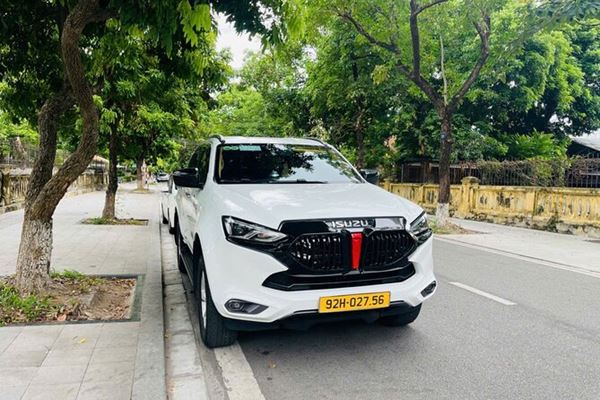
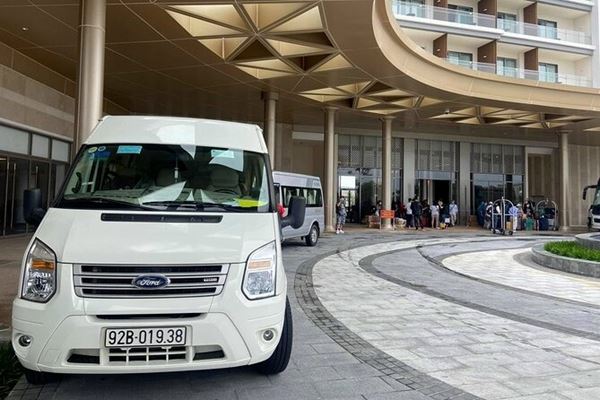
A private car with a driver skips the waiting, transfers, and schedule-matching that come with shared transport. It's priced per vehicle rather than per person, which makes it reasonable value for a couple or a family covering a fixed route, such as Hanoi to Ha Long Bay or Da Nang to Hoi An and Hue.
Sondax offers a private car Vietnam travelers can book directly, with limousine transfers on several of the most-booked routes and tolls and fuel included in the quoted price. Landing at the airport and want someone waiting inside the terminal rather than outside? The airport fast-track service covers that separately.

Match the mode to the leg, not the whole trip. A two-week loop through Vietnam usually ends up mixing three or four of the options above, swapped in and out as the route changes, since no single mode works equally well for every stretch of the country.
As a rough starting point: pick a flight when a single leg would otherwise eat a full day or more; pick a train or sleeper bus for overnight distances where arriving rested matters; rent a motorbike for a short, view-heavy stretch you want to control yourself; and book a private car when traveling with a group, carrying luggage for a multi-stop day, or after a late flight when you'd rather not negotiate a taxi. Heavy rain or a storm warning is reason enough to swap a motorbike day for a car with a roof; our general trip-prep tips cover packing and timing around that.
Each option above has its own in-depth guide with current routes, booking steps, and what to expect on board, since a short overview here is no substitute for the detail worth having before you book a long-distance leg. These four cover the rest of the "General Travelling" series in full.
Can I book a mix of flights, trains, and a private car for one trip?
Yes, most multi-city itineraries combine two or three options rather than one. Switching modes by leg usually works out cheaper and faster than forcing one method to cover the whole route.
What's the cheapest way to get between major cities?
Sleeper buses are generally the lowest-cost overnight option between major cities, with trains close behind and offering more room. Domestic flights can occasionally undercut both on promotional fares, so it's worth comparing before booking.
Do I need to book transport before I land in Vietnam?
Not strictly, but popular overnight trains and sleeper buses on routes like Hanoi to Sapa or Hanoi to Da Nang can sell out a week or more ahead in peak season, so booking those legs early is worth it even if the rest of the trip stays flexible.
Want the comfortable option for at least one leg?
Our private car transfers cover several of the most-booked routes with an English-speaking driver, fuel and tolls included in the price.
Best visited during dry season (November to April) for ideal weather.
Book accommodations in advance during peak travel season.
Carry local currency (Vietnamese Dong) for markets and small vendors.
Respect local customs and dress modestly when visiting temples.