
Train travel in Vietnam is slow but comfortable: the Reunification Express covers the 1,726 km from Hanoi to Ho Chi Minh City in about 33 hours, a 4-berth sleeper costs around 1.7 million VND (~65 USD), and you can book on the official railway site. Most visitors ride only one or two sections, usually a night train to Sapa or Hue and the coastal run between Hue and Da Nang.
The short version
Vietnam has one main line, the North-South railway, which runs along the coast from Hanoi through Hue, Da Nang and Nha Trang to Ho Chi Minh City. The state railway runs the SE trains on this line, and a separate branch goes north from Hanoi to Lao Cai, the station for Sapa.
Foreign visitors often call the North-South trains the Reunification Express, although no single train has that name. The fastest train, SE1, leaves Hanoi at 20:50 and reaches Saigon at 05:45 two days later, about 32 hours 55 minutes. The trains are slower than in Europe or Japan because the line is single track and metre gauge, so trains wait in stations to let others pass. A high-speed line is planned: the government wants work on a new 1,541 km railway, designed for up to 350 km/h, to start by the end of 2026, but it will take many years to open.
Most long-distance trains have three main classes: air-conditioned soft seats, 6-berth hard sleepers and 4-berth soft sleepers. On a Vietnam sleeper train longer than 6 hours, the 4-berth soft sleeper is the one most visitors choose, because each cabin has a door, a small table and clean sheets.
A ticket from Hanoi to Ho Chi Minh City costs about 1,026,000 VND (~39 USD) in a soft seat and 1,667,000 to 1,758,000 VND (~64 to 68 USD) in a 4-berth sleeper. Shorter routes cost less, and the overnight train from Hanoi to Lao Cai starts at around 440,000 VND (~17 USD).
| Route | Fastest time | Soft seat | 6-berth sleeper | 4-berth sleeper |
|---|---|---|---|---|
| Hanoi to Ho Chi Minh City (SE1) | about 33 hours | 1,026,000 VND (~39 USD) | 1,273,000 to 1,637,000 VND (~49 to 63 USD) | 1,667,000 to 1,758,000 VND (~64 to 68 USD) |
| Hanoi to Hue (SE3) | about 12 hours 40 minutes | 569,000 VND (~22 USD) | 832,000 to 1,070,000 VND (~32 to 41 USD) | 1,139,000 to 1,218,000 VND (~44 to 47 USD) |
| Hanoi to Da Nang (SE3) | about 15 hours 15 minutes | 651,000 VND (~25 USD) | 883,000 to 1,137,000 VND (~34 to 44 USD) | 1,211,000 to 1,294,000 VND (~47 to 50 USD) |
| Hanoi to Lao Cai (SP1) | about 7 hours 40 minutes | not listed | not listed | 440,000 to 460,000 VND (~17 to 18 USD) |
Sources: fares and timetable published by seat61.com (updated June 2026, from Vietnam Railways data); USD at about 26,000 VND. Lower berths cost more than upper berths. Checked October 2026.
Prices now change with demand. Since 1 May 2026 the railway has used flexible pricing, so unsold berths on some routes, including Hanoi to Lao Cai, can drop 20 to 25% close to departure, while tickets bought less than 48 hours before the train cost 5 to 7% more. Children under 5 travel free when they share a berth with an adult, and children aged 5 to 9 get 25% off.
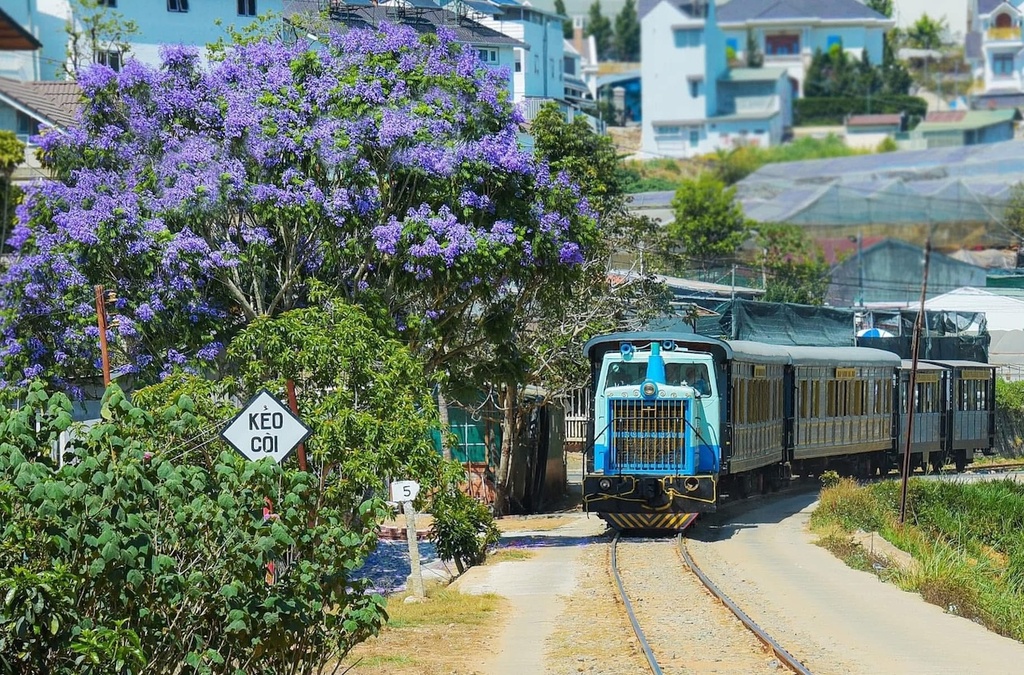
The easiest way to book is the official Vietnam Railways website, dsvn.vn, which has an English version and sends an e-ticket by email. Long-distance tickets usually go on sale about 60 days before departure, and short trips about one or two weeks before.
If your card does not work, you have two simple choices. You can buy at any station ticket office with cash and your passport, or use a third-party ticket site, which accepts foreign cards and usually adds a fee of about 3 to 4%. If you need a local number for the payment step, a tourist eSIM or SIM bought on arrival solves that in a few minutes. Book early for Tet (Lunar New Year) and the summer school holidays from late May to mid-August, when Vietnamese families fill most sleeper berths.
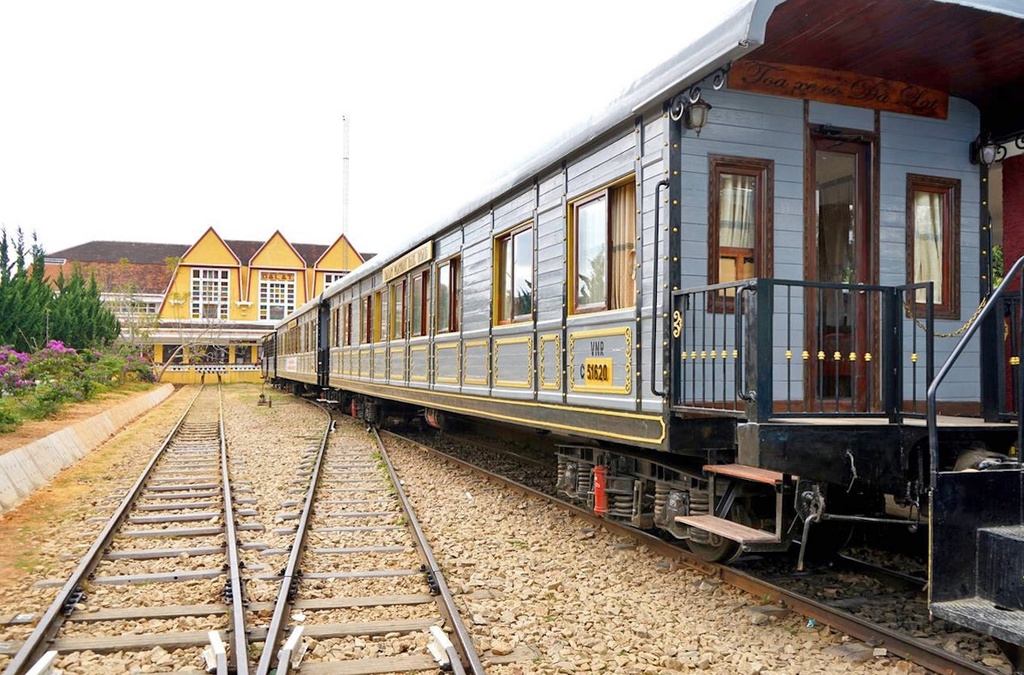
Three train trips are worth taking even if you fly the rest of the way: the night train from Hanoi to Lao Cai for Sapa, the day train between Hue and Da Nang, and the new heritage train from Hue to Phong Nha. Each one saves a hotel night or shows you a view that the road misses.
Hanoi to Lao Cai: SP1 leaves Hanoi at 21:35 and reaches Lao Cai at 05:15, and SP2 returns at 20:55, arriving in Hanoi at 04:35. Lao Cai station is about 35 km from Sapa, so you still need a bus or car for the last hour. Our team still takes the night train when we go to Sapa, mostly because we arrive with a full day ahead and skip the long mountain bus ride. Compare all the options for bus, train and limousine to Sapa before you decide.
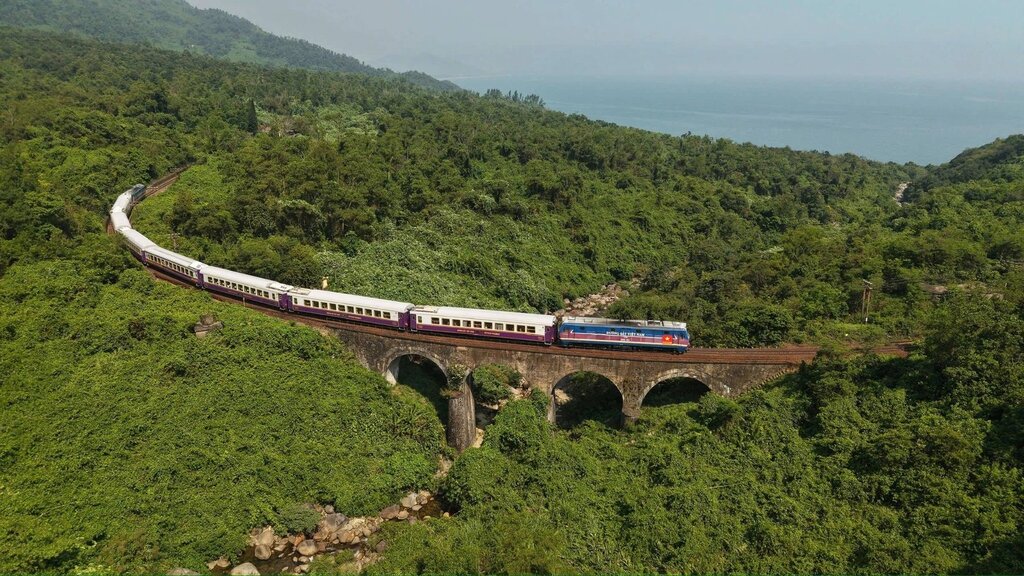
Central Vietnam now has two tourist trains that run by day: the Connecting Central Heritage train between Hue and Da Nang since March 2024, and a new heritage train from Hue to Phong Nha since August 2026. Both run on the normal railway line on a fixed daily schedule, and both are built for sightseeing rather than speed.
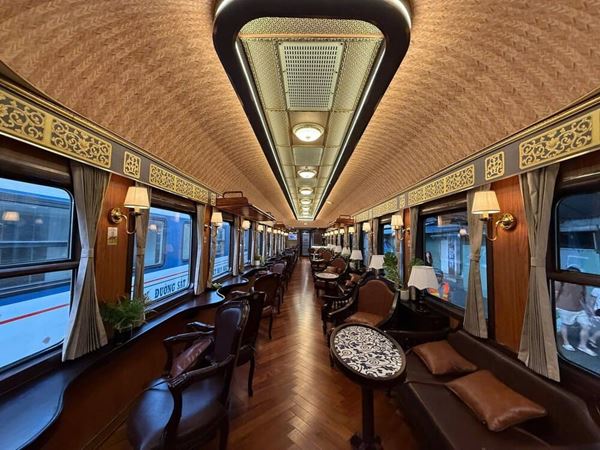
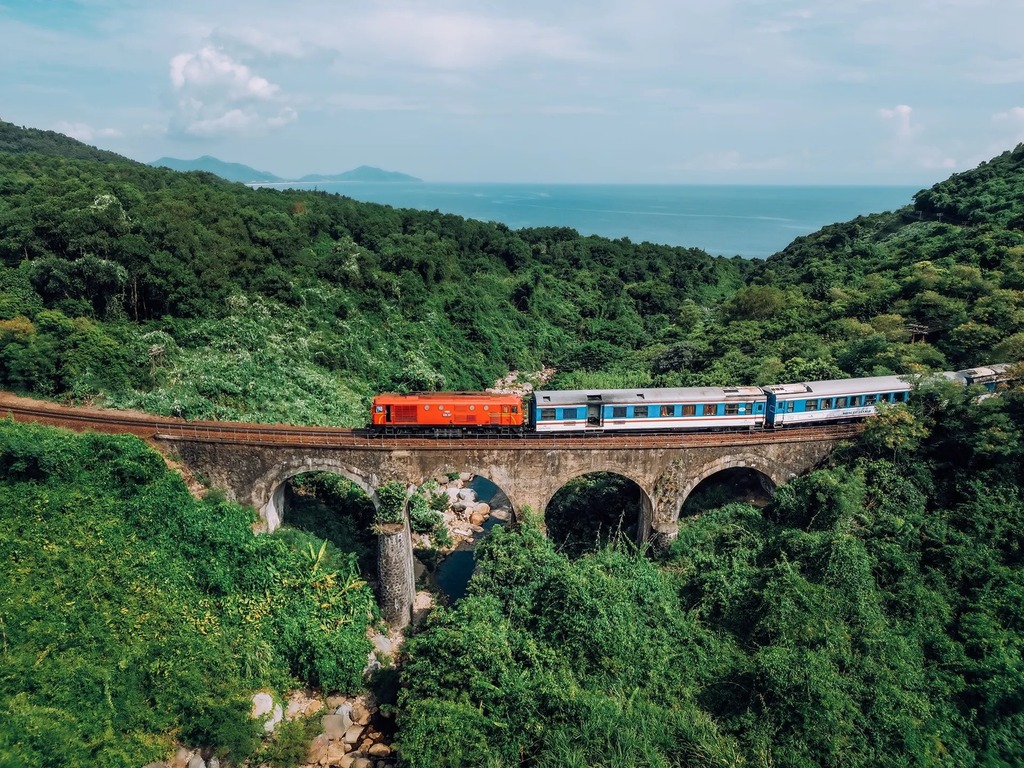
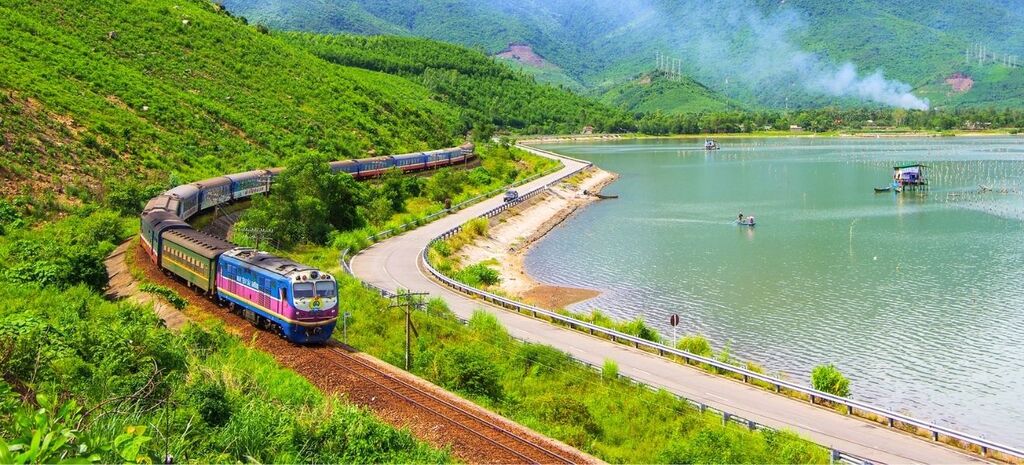
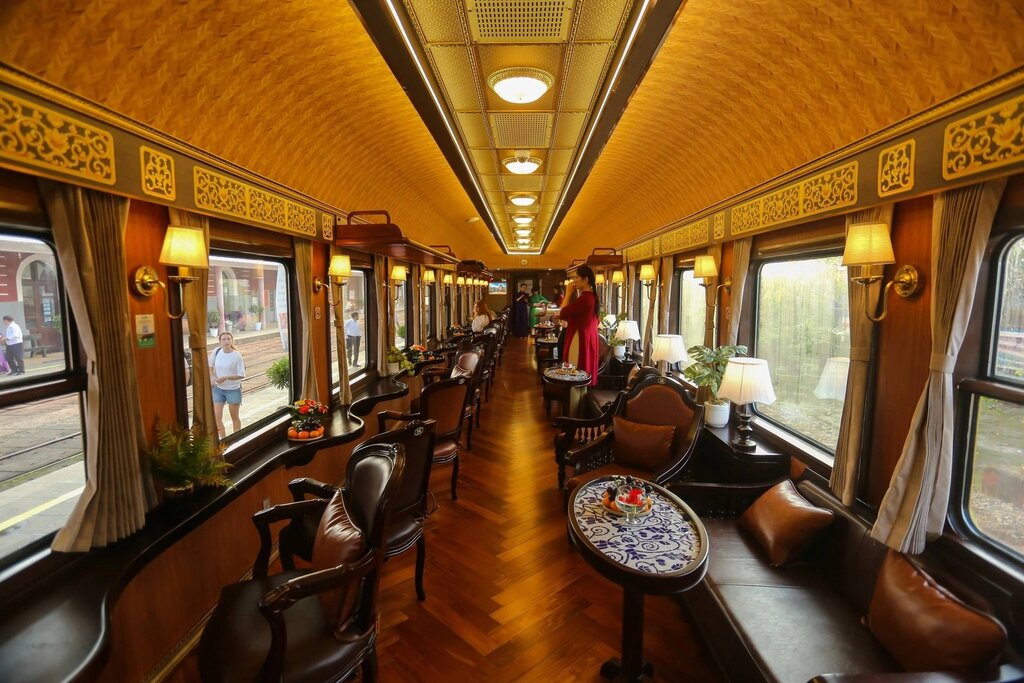
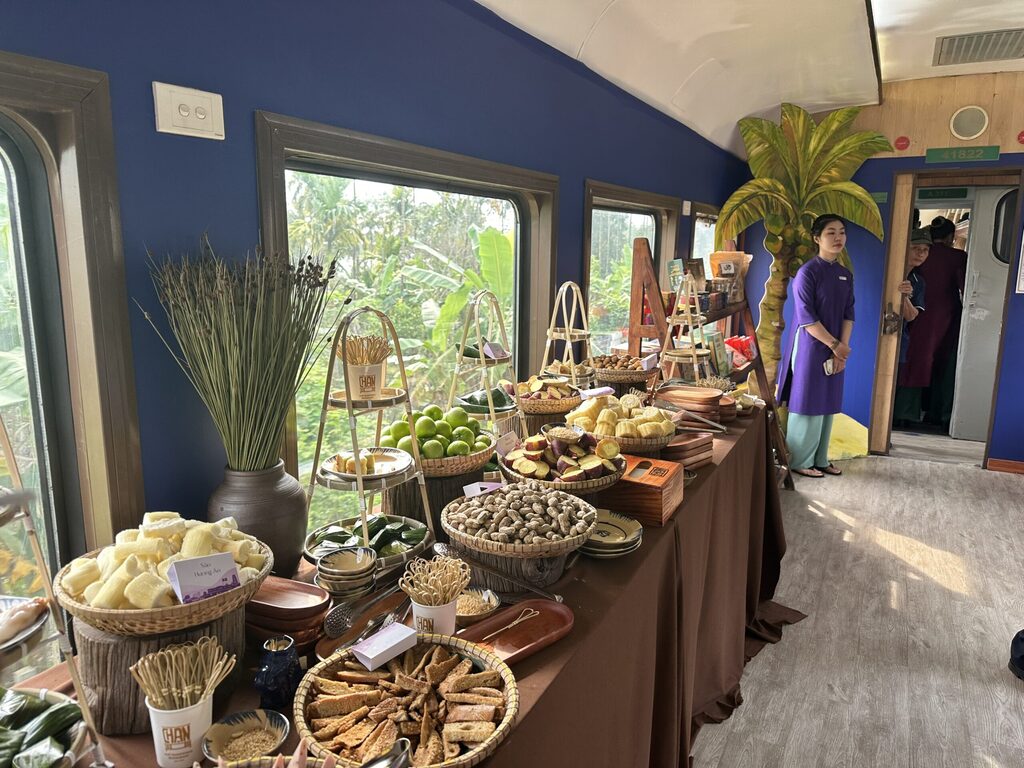
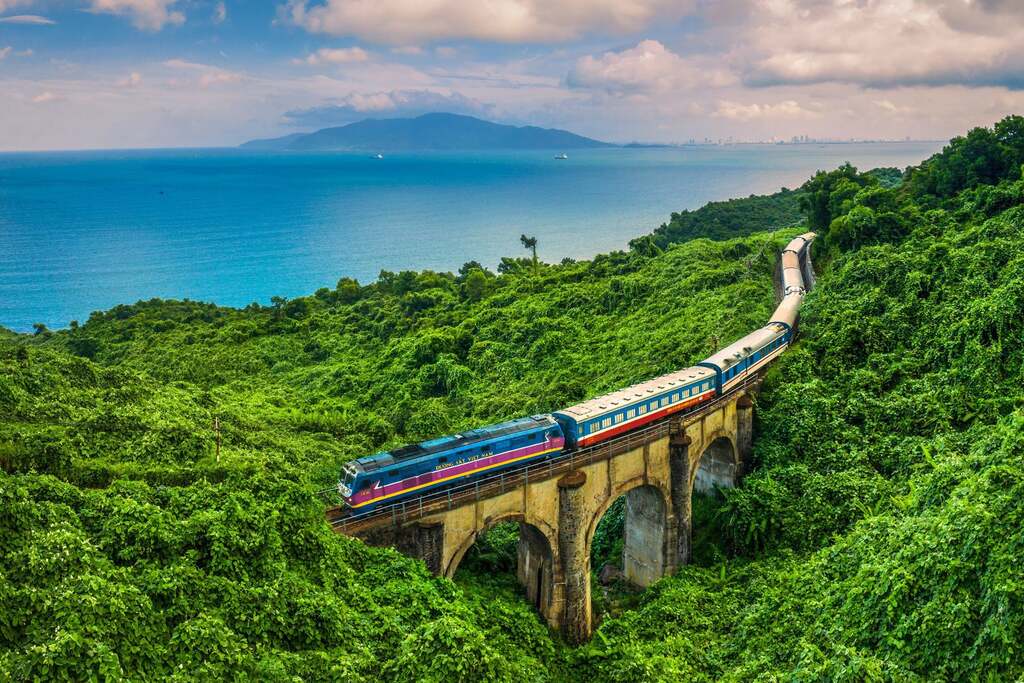
Hue to Da Nang train: this 3-hour section climbs along the coast and through the mountains next to the Hai Van Pass road. Sit on the left side heading south for the sea view. Regular SE trains also cover this section, so you can choose between a normal soft seat and the heritage train, which has soft seats and a café carriage .
Hue to Phong Nha: the heritage train HQ2 started daily service on 29 August 2026, leaving Hue at 07:15 and reaching Tho Loc at 11:55, with stops at Dong Ha and Dong Hoi. Tickets cost 420,000 VND (~16 USD) in standard class and 760,000 VND (~29 USD) in VIP class, which makes it a scenic way to reach the Phong Nha caves instead of the highway.

Take the train when you want to travel overnight in a real bed or see the central coast, fly when you are short on time, and use sleeper buses only for routes without a railway, such as Ha Giang or Dalat. A Hanoi to Saigon flight takes about 2 hours, while the train needs almost a day and a half.
| Option | Best for | Comfort | Main drawback |
|---|---|---|---|
| Train | Night trips under 15 hours, coastal views | Flat bed, room to walk around | Slow, early arrivals at 4 to 5 am |
| Plane | Hanoi to Saigon, Da Nang or Phu Quoc | Short and simple | Airport transfers add 2 to 3 hours |
| Sleeper bus | Ha Giang, Dalat, Mui Ne | Short bunks, little space for tall people | Mountain roads, fewer toilet stops |
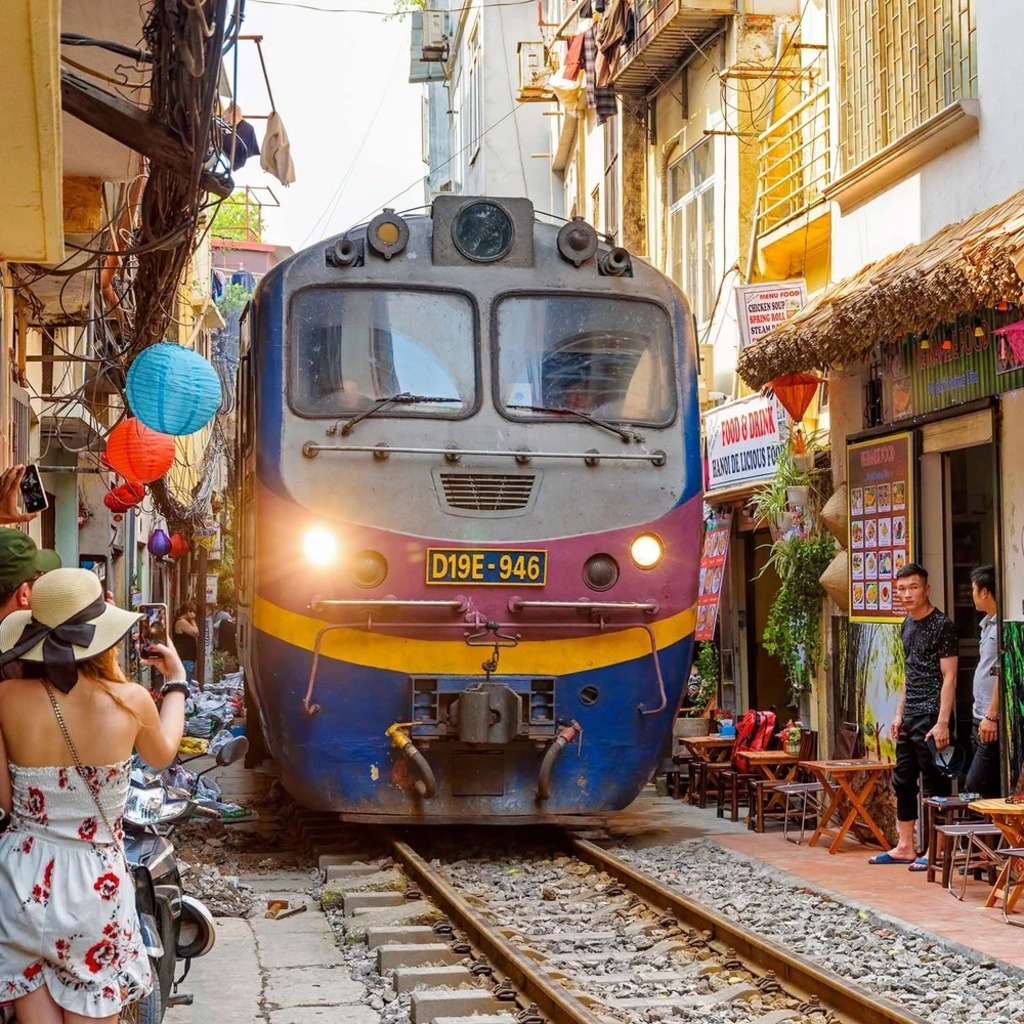
Most train trips in Vietnam go smoothly, but three problems come up often: arrivals before dawn, delays after heavy rain in the center, and noise in shared cabins. Planning for these makes a big difference to how you feel on your first day in a new city.
Many night trains arrive between 4 and 6 am, and station taxis at that hour often charge far more than the meter. Use a ride-hailing app such as Grab, agree on the price before you get in, or book a pickup in advance. Da Nang station is about 30 km from Hoi An, so travelers heading on from there often book a private car from Da Nang to Hoi An for the last leg. From September to December, floods can stop trains in central Vietnam for a day or more, so keep a free day if you travel through the center in those months. Shared cabins can be loud, so bring earplugs and an eye mask, and keep your passport and phone with you when you sleep.
Sondax tip: Buy the lower berths if you can. They cost a little more, but you can sit on them during the day, store your bags underneath and get off without climbing down in the dark.
Is the train in Vietnam safe?
Yes, train travel is one of the safer ways to cross Vietnam, since trains avoid the busy highways. Theft is the main risk, so lock your cabin door at night, keep valuables on you and put larger bags under the lower berth. Staff check tickets at the station gate and on board.
Is the Hanoi to Saigon train worth it?
The full Hanoi to Saigon train trip takes about 33 hours, which is too long for most short holidays. A better plan is to ride one or two sections, such as Hanoi to Hue overnight and Hue to Da Nang by day, and fly the rest. That way you see the coast without losing two full days.
Is there food on Vietnamese trains?
Yes. A trolley sells drinks, instant noodles and snacks, and staff sell simple hot meals for about 35,000 VND (~1.30 USD), delivered to your cabin. Most travelers also bring fruit, bread and water from a shop near the station.
How much luggage can I bring on the train?
You keep your bags with you in the cabin, under the lower berths or on the shelf above the door. Large suitcases fit, but space is tight when all 4 passengers have one. Bicycles and motorbikes travel separately for a fee and usually arrive a day or two later.
Choose the one or two train sections that fit your route, book them on dsvn.vn as soon as sales open, and use our Vietnam travel guides to plan the stops in between.
Arriving at the station before dawn?
Skip the price talk with station taxis and book a fixed-price private car with an English-speaking team, waiting for you when the train arrives.
Best visited during dry season (November to April) for ideal weather.
Book accommodations in advance during peak travel season.
Carry local currency (Vietnamese Dong) for markets and small vendors.
Respect local customs and dress modestly when visiting temples.