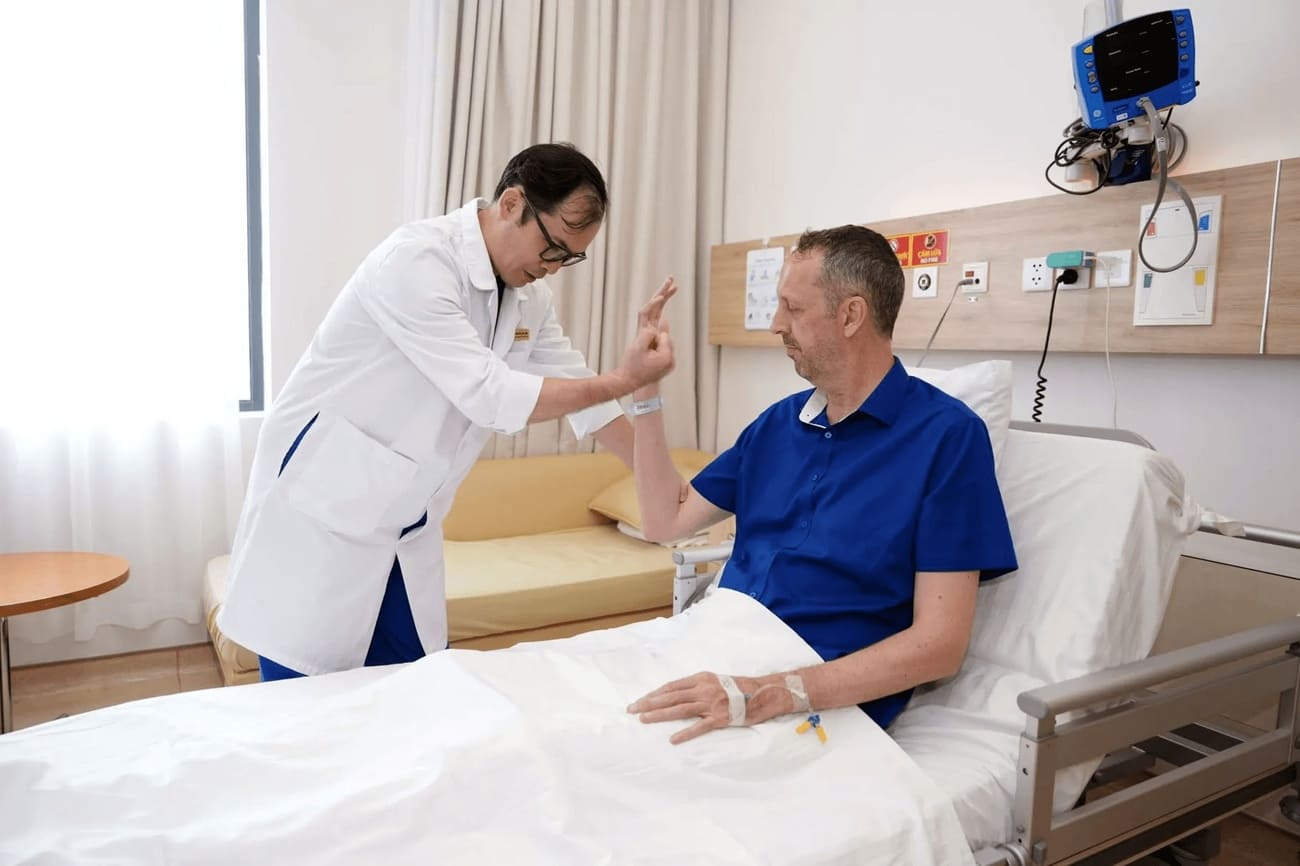
Medical tourism in Vietnam works in six steps: you tell a concierge what you need, they match you with an accredited hospital, confirm the price in writing, handle your scheduling and transport, accompany you on treatment day, and follow up with English-language results. The whole process - from first message to hospital appointment - typically takes 5 to 14 days, depending on the procedure and how quickly you send your records.
What a medical concierge actually does
A concierge is a coordinator, not a clinic. Sondax does not employ doctors, run operating rooms, or set treatment prices. What a concierge does is remove the three biggest barriers for foreign patients: language, logistics, and trust. You communicate in English; the concierge communicates with the hospital in Vietnamese. You receive a written quotation from the hospital before you travel, while the concierge helps coordinate your appointment and travel arrangements. The concierge also handles airport pickup and hospital transport, scheduling, translation of medical records, and post-treatment follow-up.
What to know:
A concierge does not choose your treatment or override your doctor's recommendation. Every clinical decision stays between you and the hospital's medical team. The concierge's job is to make sure you can actually communicate with that team, understand what you're paying for, and get to the right place on the right day.
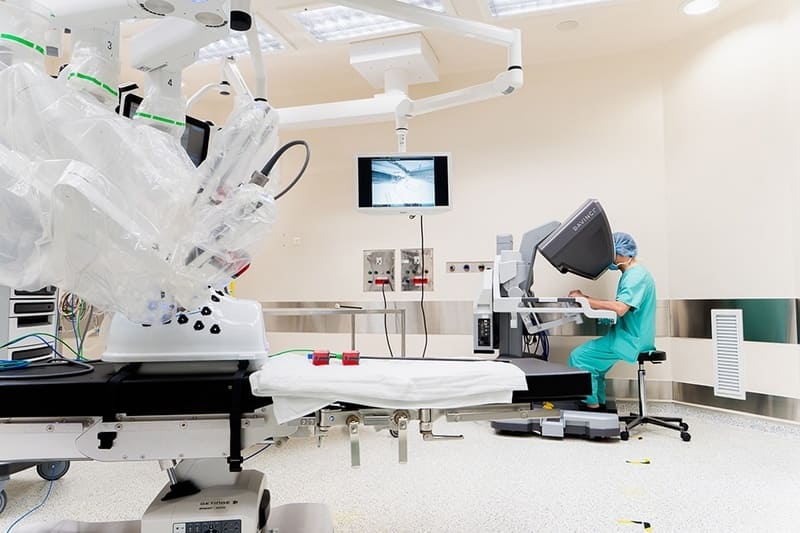
The six steps from the first message to follow-up
Step 1: You describe what you need
Send a message (email, WhatsApp, or contact form) describing your situation: what procedure or checkup you want, any existing medical records or scans, your preferred dates, and your country of origin. The more detail you provide upfront, the faster the hospital can prepare a quote. If you have recent X-rays, blood work, or a referral letter, attach them.
Step 2: The concierge matches you with a hospital
Based on your needs, the concierge identifies a suitable accredited hospital and specialist team. For a routine health checkup, that might be a hospital with a dedicated international screening centre. For dental implants, it would be a clinic with the right implant brand and a prosthodontist who handles foreign patients regularly. You receive a recommendation with the hospital name, the doctor's background, and the accreditation status (JCI, ACHSI, or Ministry of Health certification).
Step 3: You get an itemised quote in English
The concierge requests a written quote from the hospital, translates it, and sends it to you with a line-by-line breakdown: what's included, what's not, and what costs extra if your doctor recommends additional tests on the day. No deposit is taken until you approve the quote. If the price doesn't work, you can ask the concierge to check an alternative hospital or adjust the package scope.
Step 4: Booking and travel logistics
Once you confirm, the concierge locks your hospital appointment and coordinates the rest: visa guidance (most patients use either the 45-day visa-free entry or the $25 e-visa for up to 90 days, depending on their nationality, as Vietnam does not currently have a separate medical visa category), airport fast-track, private transfer to your hotel, and a treatment-day schedule with exact times and addresses. For procedures requiring two trips (like dental implants: placement on trip one, crown on trip two 3 to 6 months later), the concierge maps both visits in advance so your visa timing works.
Step 5: Treatment day
A coordinator meets you at the hospital, handles check-in, and stays available throughout the day to translate and explain anything the medical team discusses. For a health checkup, that means guiding you through each station (blood draw, imaging, specialist consultations) and making sure results come back in English. For surgery or dental work, the coordinator confirms consent forms are understood, relays post-procedure instructions, and arranges your return transport.
Step 6: Results and follow-up
Medical reports and imaging are translated into English and sent to you, usually within 24 to 72 hours for checkups, although pathology and some specialist reports may take longer. If anything needs follow-up - a specialist referral, a second-trip booking, or a conversation with your doctor back home - the concierge facilitates that. For ongoing treatment plans (IVF cycles, multi-stage dental), the concierge keeps a file and coordinates your next visit without you starting from scratch.
How long does the process take?
From first message to confirmed appointment: 5 to 14 days for most cases. A standard health checkup can be booked within a week. Dental implants or IVF require more back-and-forth (records review, specialist assessment, scheduling around lab availability), so allow two weeks. The treatment itself depends on the procedure: a full-body checkup is one day, dental veneers run 5 to 10 days, and an IVF cycle requires 2 to 3 weeks on the ground.
| Procedure |
Booking lead time |
Time in Vietnam |
Trips needed |
| Health checkup |
5-7 days |
1 day |
1 |
| Dental veneers (8-20 teeth) |
7-10 days |
5-10 days |
1 |
| Single dental implant |
7-14 days |
3-5 days per trip |
2 (placement + crown) |
| Endoscopy (sedated) |
5-7 days |
1 day |
1 |
| IVF cycle |
10-14 days |
2-3 weeks |
1-2 |
Timelines are typical ranges. Your case may vary based on medical complexity and hospital availability.
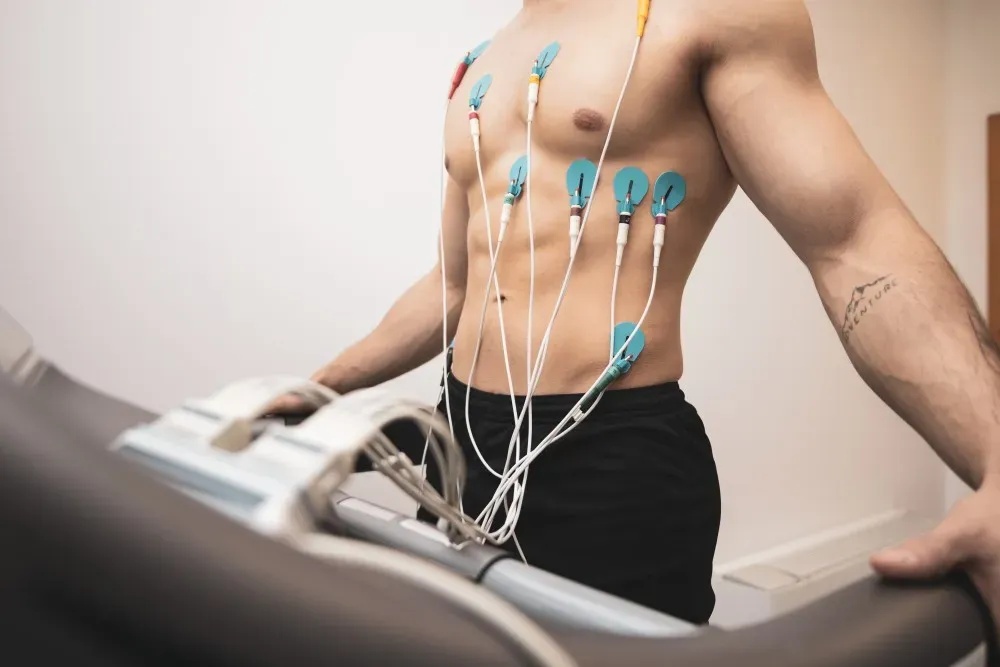
What to prepare before your first message
The fastest way to get an accurate quote is to send five things in your first message: the procedure you want (or the symptoms you need investigated), any recent medical records or scans (photos of documents are fine), your preferred travel dates, your nationality (for visa planning), and whether you have international health insurance. If you don't have records yet, say so - the concierge can still give you a preliminary estimate, which can be refined once your medical records are available.
Visa and travel for medical patients
Vietnam does not issue a dedicated medical visa. You enter on a standard tourist entry: either the visa-free stamp (up to 45 days for eligible nationalities, including the UK, France, Germany, Japan, and South Korea) or the 90-day e-visa available to all nationalities for $25 USD. Visa requirements and fees may change, so check the latest guidance from the Vietnam Immigration Department or your nearest Vietnamese embassy before travelling. For procedures that need two trips separated by months (like implants), each trip counts as a separate entry. A new health declaration form is required from July 2026 onward for all travelers entering or leaving Vietnam, regardless of nationality.
FAQ
Do I pay the concierge or the hospital?
You pay the hospital directly for all medical treatment. The concierge's coordination fee is separate and disclosed upfront. There are no hidden markups on the hospital's price - you can verify the quote with the hospital directly if you want.
What if I need emergency care, not a planned procedure?
This process is for planned medical tourism. If you need emergency care while already in Vietnam, go directly to the nearest international hospital. Our guide to English-speaking hospitals in Hanoi covers where to go and what to expect.
Can I bring a family member?
Yes. Companions enter Vietnam on the same visa terms. The concierge can arrange accommodation and transport for them alongside your medical schedule. For IVF, the partner's presence is typically required for part of the cycle.
Is it safe to get medical treatment in Vietnam?
When you choose accredited private hospitals, yes. Vietnam's top private facilities hold international accreditations (JCI, ACHSI) and staff doctors trained in the US, Japan, South Korea, France, and Australia. The key consideration is choosing an appropriate accredited facility with experience in your procedure, not the country itself. Read our full breakdown of healthcare in Vietnam for foreigners.
How much can I save compared to my home country?
Most patients save 40% to 70% on procedure costs alone, depending on the treatment and their country of origin. A health checkup that costs $2,000 to $10,000 in the US runs $125 to $500 in Vietnam. Dental implants at $3,000 to $5,500 per tooth in the US cost $700 to $1,500 in Vietnam. Even with flights and accommodation factored in, the total trip cost is usually well below the procedure-only price at home.
Ready to start?
Sondax coordinates your medical treatment in Vietnam end-to-end, in English, from first message to follow-up. Tell us what you need, and we'll send you a hospital recommendation and itemised quote within a few days. See all services on the medical services page, or read the full medical tourism in Vietnam guide for cost breakdowns by procedure.