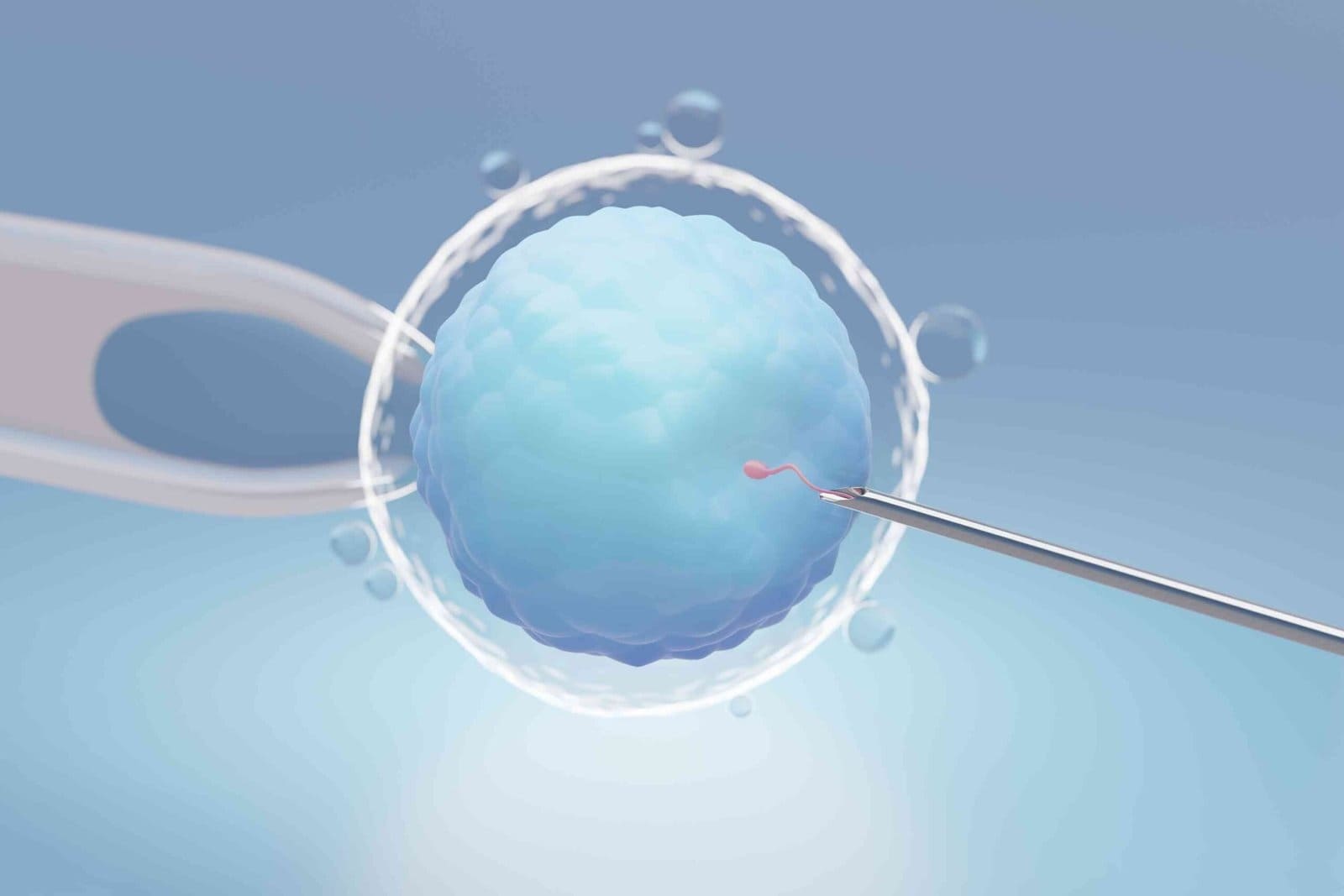
IVF in Vietnam costs $3,000 to $6,000 per cycle at leading fertility centers, compared with approximately $15,000 to $25,000 in the United States. Reported success rates generally range from 40% to 65%, depending on factors such as the woman's age, embryo quality, treatment protocol, and how each clinic defines and reports outcomes. The country performs more than 50,000 IVF cases per year across 65 licensed facilities, and several centers hold RTAC (Reproductive Technology Accreditation Committee) certification from Australia.
This guide explains IVF costs by clinic tier, factors that influence treatment success, eligibility and legal considerations for international patients, and a typical treatment timeline to help you plan your care in Vietnam.
How much does IVF cost in Vietnam?
A single IVF cycle in Vietnam typically costs between 70 and 150 million VND (approximately $2,800 to $6,000 USD), depending on the clinic, treatment protocol, and whether additional procedures, such as intracytoplasmic sperm injection (ICSI) or preimplantation genetic testing (PGT-A), are recommended. That is roughly one-quarter to one-third of the cost in the United States, where one IVF cycle costs an average of $15,000 to $25,000 before medications.
| Cost component |
Vietnam (USD) |
United States (USD) |
| Full IVF cycle (consultation to transfer) |
$3,000 - $6,000 |
$15,000 - $25,000 |
| Ovarian stimulation medications |
$1,500 - $2,500 |
$3,000 - $7,000 |
| ICSI (intracytoplasmic sperm injection) |
Included or +$300 - $500 |
+$1,500 - $3,000 |
| PGT-A genetic screening (per embryo) |
$300 - $500 |
$3,000 - $6,000 |
| Frozen embryo transfer (FET) |
$500 - $800 |
$3,000 - $5,000 |
| Embryo storage (per year) |
$80 - $200 |
$500 - $1,000 |
*Pricing for PGT-A varies depending on the laboratory and the number of embryos tested.
Sources: Tu Du Hospital, Tam Anh, My Duc Hospital, Hanh Phuc Hospital published rates; US figures from national averages (verified June 2026). Medications account for roughly 50% of total cycle cost, although the exact percentage varies by stimulation protocol and individual patient needs.

What to know:
Most clinics quote IVF as a base cycle fee, while ovarian stimulation medications are often billed separately and may account for approximately 50% of the total treatment cost. Ask for an itemized breakdown that includes consultations, monitoring ultrasounds and blood tests, ovarian stimulation medications, egg retrieval, laboratory procedures, embryo culture, and embryo transfer. Additional services, such as PGT-A, embryo freezing, and long-term embryo storage, are usually charged separately.
What is the IVF success rate in Vietnam?
Vietnam's national IVF success rate typically ranges from 40% to 50% per treatment cycle, which is comparable to or slightly above the global average of 40 to 43 percent, according to Ministry of Health data. However, success rates vary considerably depending on the patient's age, infertility diagnosis, embryo quality, treatment protocol, and the outcome measure reported (for example, clinical pregnancy or live birth). The leading private centers report notably higher numbers.
| Clinic |
City |
Clinical pregnancy rate |
Accreditation |
| IVFTA - Tam Anh (HCMC) |
Ho Chi Minh City |
~65% (up to 78.7% in 2024 data) |
RTAC, ISO 15189 |
| IVFTA - Tam Anh (Hanoi) |
Hanoi |
~60% (up to 80% for under-30) |
RTAC |
| Hanh Phuc International Hospital |
Binh Duong (near HCMC) |
60% (live birth rate 40%) |
RTAC, ACHSI |
| IVFMD - My Duc Hospital |
Ho Chi Minh City |
62-67% |
Research-active, published in Human Reproduction |
| Tu Du Hospital |
Ho Chi Minh City |
40-45% |
Leading public hospital |
| National Hospital OB/GYN |
Hanoi |
40-50% |
RTAC |
Sources: Hospital-published data via BookingCare, Docosan, and hospital websites (verified June 2026). Success rates are clinical pregnancy rates unless noted. Individual results depend on age, embryo quality, and medical history.
Female age is the strongest predictor of IVF success. Most clinics report success rates above 60 percent for women under 35, dropping to 30-40 percent for women over 40. When comparing clinics, ask whether the reported success rate refers to clinical pregnancy, ongoing pregnancy, or live birth, and whether it is reported per embryo transfer or per treatment cycle.
Which IVF clinics in Vietnam treat international patients?
Not every IVF center in Vietnam is set up for foreign patients. However, several leading IVF clinics have dedicated international patient services, including English-speaking staff, multilingual coordinators, and experience caring for overseas patients. For a broader overview of medical tourism in Vietnam, including other treatment categories, see our hub guide.
Tam Anh IVF Center (IVFTA) - Hanoi and Ho Chi Minh City
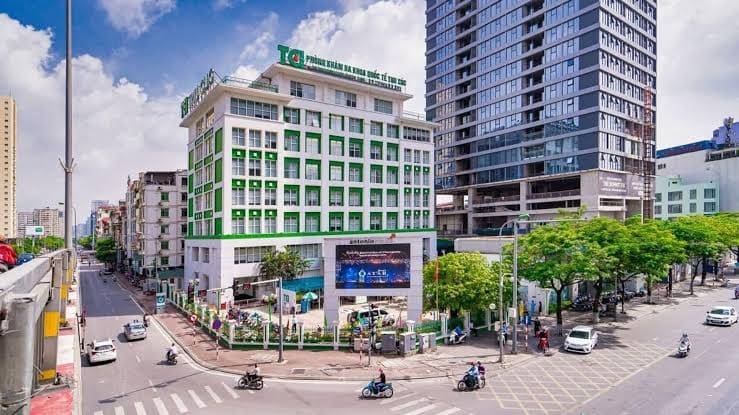
Tam Anh operates RTAC-accredited IVF centers in both cities, with ISO 15189 embryology labs and an in-house research institute (TAMRI). The Ho Chi Minh City center reports a clinical pregnancy rate of approximately 65 percent across all age groups. The centers are among Vietnam's leading private fertility programs and provide dedicated services for international patients. Cost per cycle: approximately $3,500 to $5,000.
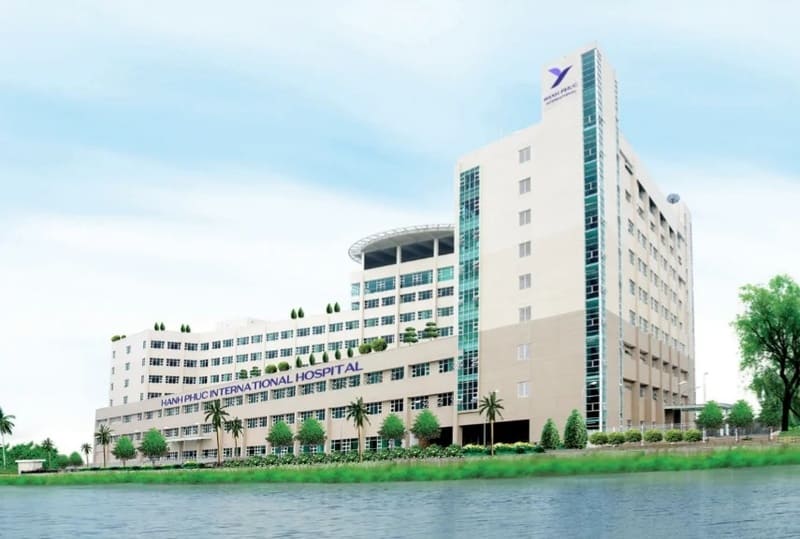
Hanh Phuc International Hospital - Binh Duong (near HCMC)
Hanh Phuc holds dual RTAC and ACHSI (Australian Council on Healthcare Standards International) accreditation. Its fertility center reports a 60 percent clinical pregnancy rate and a 40 percent live birth rate, although outcomes vary according to patient characteristics and treatment protocols. The hospital has treated over 3,000 IVF babies, with 20 percent of those born to international couples. English-speaking coordinators manage the full patient journey.
My Duc Hospital (IVFMD) - Ho Chi Minh City
IVFMD is widely recognized for its clinical research, with studies published in Human Reproduction and Fertility and Sterility. The center reports clinical pregnancy rates of approximately 62% to 67%. Cost per cycle is approximately $3,000 to $4,000, making it a competitively priced option among Vietnam's leading private fertility centers.
Vinmec International Hospital - Hanoi and HCMC
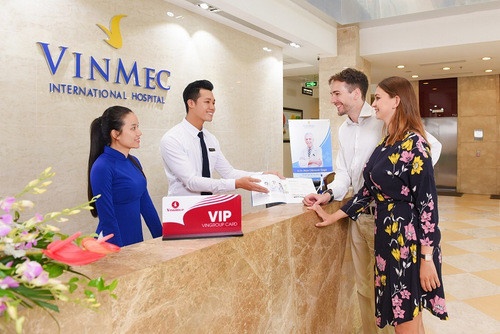
Vinmec operates dedicated IVF centers in Hanoi (Times City) and Ho Chi Minh City (Central Park). Several Vinmec hospitals have achieved Joint Commission International (JCI) accreditation, and the IVF centers are supported by comprehensive hospital services, including obstetrics, gynecology, neonatal care, and other medical specialties when needed. The hospital is a strong option for patients seeking fertility care within a full-service international hospital with 24/7 emergency support, English-speaking staff throughout, and a smoother administrative process for foreigners.
Is IVF legal for foreigners in Vietnam?
Yes. Vietnam allows foreign patients to undergo IVF, provided they meet the eligibility requirements under Vietnamese law and the policies of the treating fertility center. Under Decree 207/2025/ND-CP (updated regulations on assisted reproduction), IVF is available for married heterosexual couples and single women in Vietnam. Foreign married couples can undergo standard IVF using their own eggs and sperm at licensed fertility centers. Here are the key legal points international patients need to know.
- Married couples. Both Vietnamese and foreign married couples can access IVF. You will need to provide a marriage certificate (translated and notarized if not in Vietnamese or English). Additional identification or medical documentation may also be requested.
- Single women. Vietnamese law permits IVF for single women wishing to have a child. Foreign single women should confirm eligibility directly with the clinic, as the application of current regulations may vary depending on individual circumstances and documentation requirements.
- Egg and sperm donation. Donation is regulated and anonymous in Vietnam. However, there are restrictions for foreigners receiving donor eggs: under current regulations, the recipient must be Vietnamese, of Vietnamese origin, or a foreigner married to a Vietnamese citizen. Because assisted reproduction regulations may be updated, patients considering donor-assisted IVF should confirm the latest eligibility requirements.
- Gender selection. Selecting embryos based on sex for non-medical reasons is prohibited under Vietnamese law.
What to know:
Surrogacy for foreign nationals is not permitted in Vietnam. Humanitarian (altruistic) surrogacy is only available to Vietnamese citizens, and the surrogate must be a blood relative of the couple. Do not work with any agency that offers surrogacy arrangements for foreign patients. This is both illegal and unenforceable. Before making any travel or treatment plans, confirm the latest legal requirements with your fertility clinic or obtain independent legal advice if needed. For more on the legal framework, we will cover this separately in our IVF legal rules for foreigners guide.
The IVF process and timeline in Vietnam
A full IVF cycle from first consultation to embryo transfer usually takes about 4 to 6 weeks. If you are traveling from abroad, here is a realistic timeline to plan around.
- Before you fly (2-4 weeks before arrival): Remote consultation with the clinic. Share medical records, previous IVF treatment history (if any), and recent hormone test results. The clinic creates a preliminary treatment plan and cost estimate. Apply for your Vietnam e-visa ($25, processed in 3 business days).
- Week 1-2: Ovarian stimulation. Daily hormone injections to stimulate egg production. During this phase, patients typically attend the clinic every 2-3 days for ultrasound examinations and blood tests to monitor their response to treatment. Most patients need to be in Vietnam and visit the clinic regularly.
- Week 2-3: Egg retrieval. A minor procedure under sedation (20-30 minutes). The same day, sperm is collected unless frozen sperm has been arranged in advance, and fertilization begins in the lab. You rest for 1-2 days after retrieval.
- Week 3-4: Embryo culture. Fertilized embryos are cultured in the laboratory for 3-5 days before transfer or freezing. If preimplantation genetic testing for aneuploidy (PGT-A) is performed, embryos are typically biopsied on day 5 or day 6, and results may take one to two weeks, depending on the laboratory. During this waiting period, you are free to travel within Vietnam.
- Week 4-6: Embryo transfer. A painless procedure (10-15 minutes) where one or two embryos are transferred to the uterus. A pregnancy blood test (beta-hCG) is done 10-14 days after embryo transfer to determine whether implantation has occurred.
.jpg)
If you opt for a frozen embryo transfer (FET) instead of a fresh transfer, you can fly home after egg retrieval and return for the transfer in a later cycle, shortening each trip to 2-3 weeks. The exact schedule depends on your treatment plan and your doctor's recommendations.
What are the real risks and hidden costs?
IVF involves significant emotional, physical, and financial commitments, regardless of where you do it. Doing it abroad adds logistical complexity. Here is what to plan for beyond the clinic quote.
Multiple cycles. Success on the first cycle is not guaranteed. Globally, many patients need 2-3 cycles. Even at Vietnam's lower prices, budget for at least two rounds.
Travel costs. A 4-6 week stay in Vietnam means flights, accommodation, daily meals, and local transport. For a couple, expect $2,000 to $4,000 in non-medical expenses for a single cycle, depending on your accommodation standard. Our team can arrange private transfers between your hotel and the clinic.
Medication variability. Ovarian stimulation drug costs vary widely depending on your body's response. The total cost depends on factors such as age, ovarian reserve, response to stimulation, and the treatment protocol, meaning medication expenses may be higher or lower than the initial estimate.
Emotional isolation. Being away from your support network during an IVF cycle is hard. If possible, bring your partner or a support person. Clinics like Hanh Phuc and Tam Anh offer psychological counseling as part of their IVF programs.
Follow-up coordination. If your transfer is successful, you will need to coordinate early pregnancy monitoring between your Vietnamese clinic and your home OB-GYN. Request copies of your treatment summary, laboratory reports, embryo records (if applicable), and medication instructions to ensure continuity of care.
Who IVF in Vietnam is not for. If you need donor eggs and are not married to a Vietnamese citizen, current regulations may limit your options. If you require surrogacy, Vietnam is not an option for foreign nationals. And if you are over 45, success rates drop significantly everywhere, and an honest clinic will tell you that upfront.
FAQ
How long do I need to stay in Vietnam for IVF?
Plan 4 to 6 weeks for a full cycle from stimulation through embryo transfer and pregnancy test. If you choose a frozen embryo transfer protocol, each trip can be shortened to 2-3 weeks: one trip for stimulation and egg retrieval, a second trip for the transfer.
Do I need a special visa for IVF treatment in Vietnam?
No. The standard 90-day multiple-entry e-visa ($25 fee) provides more than enough time for a full IVF cycle. Apply online through the official portal at evisa.xuatnhapcanh.gov.vn. Processing takes 3 business days.
Can same-sex couples do IVF in Vietnam?
Vietnamese law does not recognize same-sex marriage, and IVF regulations are structured around married couples and single women. Same-sex couples should consult directly with the clinic about their specific situation, as policies and interpretations vary.
Is egg freezing available in Vietnam?
Yes. Multiple clinics offer egg freezing (oocyte cryopreservation) for fertility preservation. Costs range from approximately $1,000 to $2,500 for the retrieval and freezing process, plus $80 to $200 per year for storage. More details will be in our egg freezing in Vietnam guide.
What documents do I need to bring for IVF in Vietnam?
At minimum: valid passport, marriage certificate (notarized translation if not in English or Vietnamese), any previous medical records or IVF reports, and recent hormone test results. Some clinics may also request infectious disease screening and other pre-treatment investigations. Your clinic coordinator will provide a specific checklist after your initial consultation.
Plan your IVF treatment in Vietnam with Sondax
Sondax coordinates your IVF journey in Vietnam from first consultation to follow-up, in English. We connect you withRTAC-accredited, arrange airport fast-track, hotel-to-clinic transfers, and visa support so you can focus on your treatment. We do not provide medical treatment or clinical advice. Our role is to help patients navigate the treatment process and prepare for their visit with confidence. Tell us what you need. See our IVF coordination service.