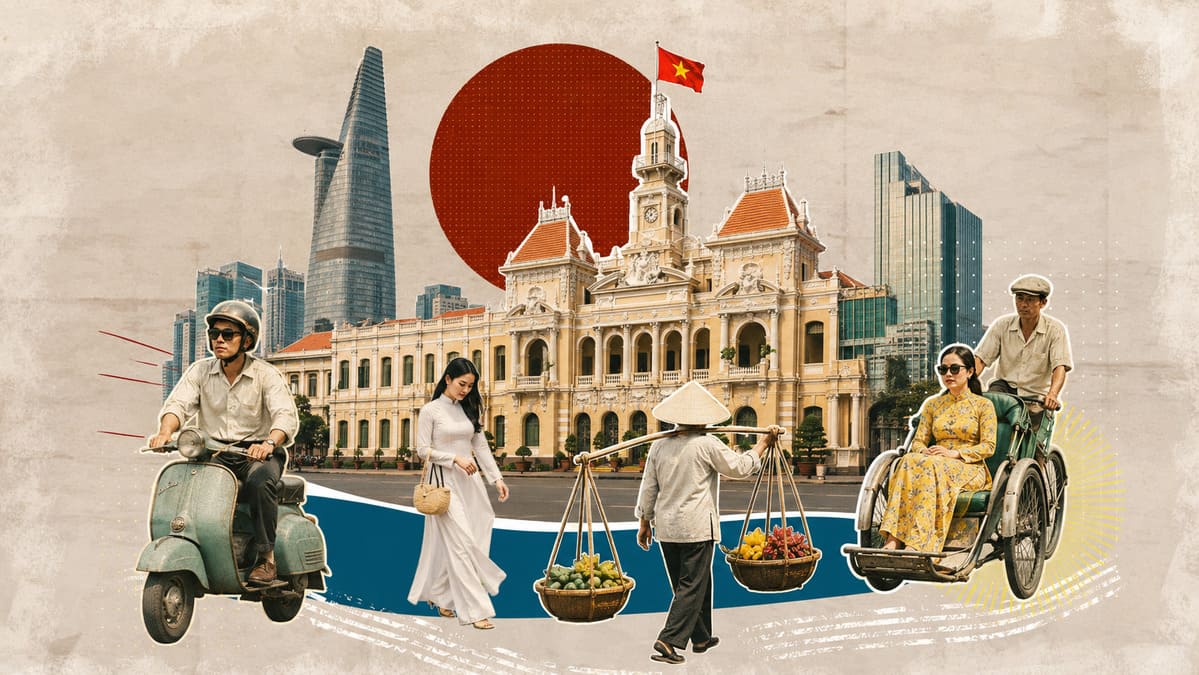

Forget the sanitized brochures. This city is a beautiful, gasoline-scented riot that demands your full attention. To find the soul of the city, you must lean into the roar of ten million motorbikes and hunt for secrets hidden in the steam of street-side kitchens. Here is exactly what to do in Ho Chi Minh if you want to feel truly alive.
Ho Chi Minh City, the economic hub of the Socialist Republic of Vietnam, features key historical sites like the War Remnants Museum, detailing the American War, and the Independence Palace. The Notre Dame Cathedral Basilica of Saigon and the Central Post Office also attract significant global visitors. The War Remnants Museum at 28 Vo Van Tan Street draws 500,000 annual visitors to its unvarnished exhibits detailing the physical and environmental devastation of the 1960s and 1970s conflicts. You walk past captured US military hardware, including UH-1 Huey helicopters and M48 Patton tanks, before viewing the confronting Requiem photo exhibition.
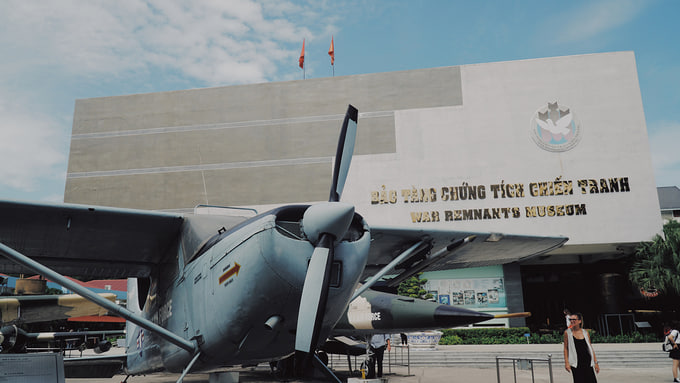
Entry costs 40,000 VND ($1.60). Two kilometers away stands the Independence Palace at 135 Nam Ky Khoi Nghia. Designed by architect Ngo Viet Thu, this 1960s modernist structure remains frozen in time from April 30, 1975, when North Vietnamese tank 843 crashed through its wrought-iron gates. You walk through the original subterranean telecommunications bunker and the president's opulent reception rooms.
.jpg)
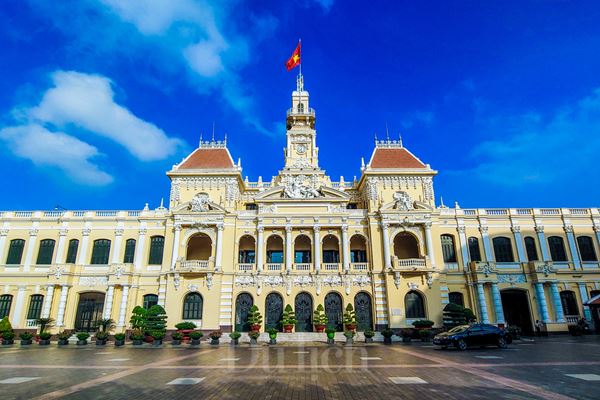
A brief walk east puts you at Paris Commune Square, dominated by the Notre Dame Cathedral Basilica of Saigon. French colonists imported every red brick from Toulouse for its 1880 completion, though a multi-year structural renovation currently obscures its twin 58-meter bell towers behind heavy scaffolding. Directly across the street sits the Central Post Office, completed in 1891.
.jpg)
Often incorrectly attributed to Gustave Eiffel, architect Marie-Alfred Foulhoux actually designed its vaulted iron roof and looping arches. Inside, painted historic maps of South Vietnam and Cambodia flank the walls above the still-functioning wooden telephone booths where locals once queued to make international calls.
.jpg)
Ben Thanh Market stands as Ho Chi Minh City's most iconic market, dating back to 1914. Located in District 1, it offers a vast array of goods including textiles, handicrafts, souvenirs, and local Vietnamese street food. It serves as a major hub for both commerce and cultural immersion.
Occupying a massive city block at the intersection of Le Loi, Ham Nghi, and Le Lai streets, the structure features a prominent clock tower at the south entrance that functions as an unofficial city symbol. Inside the 13,000-square-meter facility, more than 1,500 individual vendors operate tightly packed stalls along narrow, grid-like aisles. The layout organizes into distinct quadrants: fresh produce and butchery near the north gate, textiles and custom tailoring in the center, and dry goods near the east doors.
You navigate through aggressive vendors selling everything from high-quality Vietnamese silk and raw cashews to counterfeit sporting goods and mass-produced lacquerware. Expect to negotiate hard, as initial asking prices regularly sit 300 percent above fair market value. After 6:00 PM, the indoor stalls shutter and the surrounding streets transform into an outdoor night market.
Stainless steel tables spill onto the asphalt while vendors fire up industrial woks to serve regional street food. You can order massive plates of broken rice with grilled pork (Cơm tấm) for 50,000 VND ($2.00) while navigating the heavy motorbike traffic that skirts the pedestrian zones.
The Cu Chi Tunnels are an extensive underground network used by Viet Cong soldiers during the Vietnam War. Located approximately 50 kilometers northwest of Ho Chi Minh City, the tunnels played a crucial role in military operations. Sections like Ben Duoc are preserved for public education and historical context.
The network comprises 250 kilometers of subterranean passages excavated using hand tools between the 1940s and 1960s. These multi-level tunnels housed weapon factories, field hospitals, and kitchens, allowing guerrilla fighters to launch surprise attacks on nearby US military bases. The site bifurcates into two distinct viewing areas: Ben Dinh and Ben Duoc.
.jpg)
Tour operators universally bus their massive groups to Ben Dinh because it sits 15 kilometers closer to the city center. At Ben Dinh, administrators widened the tunnels specifically to accommodate Western body types, creating a heavily commercialized atmosphere punctuated by the constant noise of the adjacent AK-47 firing range. Ben Duoc offers the actual historical site where the Communist Party's regional committee headquartered. The tunnels here remain narrow, claustrophobic, and largely original.
.jpg)
You maneuver through the dark earth without the crush of tour groups, inspecting authentic ventilation shafts disguised as termite mounds and the brutal spiked booby traps that defended the entrances. Entry to Ben Duoc costs 110,000 VND ($4.35). You reach it independently by taking public bus 13 from the 23/9 Park station to Cu Chi terminal for 10,000 VND ($0.40), then transferring to bus 79 to Ben Duoc for 7,000 VND ($0.28). The entire transit takes roughly two and a half hours each way.
Common local transportation options in Ho Chi Minh City include Grab, a ride-hailing app for motorcycles and cars, and traditional taxis like Mai Linh and Vinasun. Public buses operate extensive routes, offering an economical way to navigate the city, while motorcycle taxis provide faster transit through heavy traffic. Grab dominates the point-to-point transit system.
You download the app, link a credit card, and summon either an air-conditioned car or a scooter directly to your GPS coordinates. The app locks in the fare beforehand, eliminating the need to communicate destinations in Vietnamese or haggle over the price. Traditional taxi operators Vinasun (white vehicles with red and green stripes) and Mai Linh (solid green vehicles) maintain strict corporate standards with reliable, tamper-proof meters.
(1).jpg)
City buses, identifiable by their bright green and blue liveries, operate 128 routes across the metropolis. Fares range from 5,000 to 7,000 VND ($0.20 to $0.28) per ride, paid in exact change to the onboard attendant. The heavy traffic renders the bus system slow, but it provides the cheapest method to reach outlying districts like Cholon (Chinatown) in District 5.
Motorcycle taxis, known locally as xe ôm, wait at most major intersections. You identify them by the spare helmet resting on their handlebars. You must negotiate the fare aggressively before sitting down, as they do not use meters and routinely quote foreigners triple the standard rate.
(1).jpg)
| Transit Option | Cost USD | Time | Best for | Watch out for |
|---|---|---|---|---|
| Grab (App) | $1.50 - $4.00 base | 5-10 min wait | Guaranteed pricing and GPS tracking | Heavy surge multipliers during monsoon rain |
| Vinasun Taxi | $0.60 per kilometer | Immediate if hailed | Airport pickups from official ranks | Fake clone taxis mimicking the white and red branding |
| Mai Linh Taxi | $0.60 per kilometer | Immediate if hailed | Short trips within District 1 and 3 | Drivers claiming they do not have change for large bills |
📌 Insider note:
Skip the ticket vending machines on Metro Line 1. You can tap-to-pay with an international Visa or Mastercard directly at the turnstile gates. Fares range from 6,000 to 19,000 VND ($0.24 to $0.75) depending on the distance traveled to the Suoi Tien terminal.
(1).jpg)
(1).jpg)
Ho Chi Minh City is renowned for its diverse street food scene. Signature dishes include Phở, Bánh mì, Bún chả giò, and Cà phê sữa đá. The city’s culinary landscape reflects regional influences, offering everything from street carts to high-end spots like Sushi Shinkon for premium dining. The signature southern style of Phở features a darker, sweeter broth than its Hanoi counterpart, heavily garnished with Thai basil, sawtooth coriander, and bean sprouts.
.jpg)
You find the city's most consistent version at Pho Hoa Pasteur at 260C Pasteur Street, charging 90,000 VND ($3.50) for a bowl loaded with raw beef and fatty brisket. Bánh mì sandwiches reflect French colonial influence combined with local ingredients. Banh Mi Huynh Hoa at 26 Le Thi Rieng Street serves a half-kilo sandwich packed with six types of cold cuts, liver pâté, cucumber, and spicy green chilies for 65,000 VND ($2.50).
(1).jpg)
Bún chả giò delivers cold rice vermicelli noodles topped with crispy fried spring rolls, crushed peanuts, and a heavy pour of sweet fish sauce, prevalent at lunch stalls along Co Giang street. Locals combat the oppressive 35-degree heat with Cà phê sữa đá, a high-octane robusta coffee dripped through a metal phin filter over a thick layer of sweetened condensed milk and crushed ice. Beyond street carts, the city supports a massive high-end dining sector. In District 1, you find Michelin-level omakase at Sushi Shinkon, serving Hokkaido uni and bluefin tuna flown in daily from Tokyo's Toyosu Market to a minimalist twelve-seat wooden counter.
.jpg)
📌 Insider note: Recommended street food tours and hidden cafes
Book the Street Food Man tour if you are a beginner hesitant about food safety; guides navigate the District 4 alleyways on scooters. Afterward, hunt down Adau Kitchen, a cocktail and coffee bar located at 171B Dong Khoi. You reach it by walking through an unlit art gallery hallway and climbing a spiral staircase.
.jpg)
📌 Insider note: Modern Saigon: the Cafe Apartments at 42 Nguyen Hue
Explore the Cafe Apartments at 42 Nguyen Hue, a nine-story former military residential building converted into a vertical hub of independent cafes, clothing shops, and tea rooms. Pay the 3,000 VND ($0.12) elevator fee to reach the top floor, then take the stairs down to explore each level's distinct balconies overlooking the pedestrian promenade.
.jpg)
Avoid the cyclo price-switch scam near the War Remnants Museum, where a driver agrees to 50,000 VND ($2.00) but demands 500,000 VND ($19.60) upon arrival, claiming the original price was per ten minutes. Watch out for fast meters in unofficial taxis; always check that the door says "Vinasun" and not a clone name like "VinaMet" or "Vinasum".
.jpg)
Built by the Cantonese community in 1909, the Jade Emperor Pagoda at 73 Mai Thi Luu Street requires strict behavioral protocols. Heavy incense smoke fills the air as locals pray to the King of Heaven and leave offerings at the adjacent tortoise pond.
.jpg)
.jpg)
The skyline of Ho Chi Minh City evolved rapidly over the last decade, shifting from low-slung French colonial villas to massive glass-and-steel superstructures. The financial center in District 1 now faces off against the newly developed Thu Thiem urban area across the Saigon River. Finding the right vantage point dictates whether you view the historical grid or the sprawling suburban growth. Rooftop bars like the Saigon Saigon Bar at the Caravelle Hotel offer sixth-floor views of the Opera House, but to grasp the city's true scale, you must ascend the modern towers.
| Viewing Deck | Cost USD | Time | Best for | Watch out for |
|---|---|---|---|---|
| Bitexco Financial Tower | $10.00 | Late afternoon to catch sunset | Direct views over the colonial center and Saigon River | Smudged glass panels that ruin long-exposure photography |
| Landmark 81 | $20.00 | Nighttime after 8:00 PM | The highest vantage point in Southeast Asia at 461 meters | Long elevator queues on weekends and limited seating |
.jpg)
📌 Insider note:
Book seat A15 in the cheapest section ("A Aah!") at the À Ố Show inside the Saigon Opera House; the steep theater rake guarantees you a front-row experience without the premium price tag. After the one-hour acrobatics performance, take a ten-minute taxi to Bui Vien Street to observe the chaotic, neon-lit backpacker nightlife from a plastic stool with a 20,000 VND ($0.80) Saigon Green beer.
.jpg)
US citizens must apply for an e-visa through the official Vietnamese immigration website before departure. The single-entry visa costs $25 and allows a maximum stay of 90 days. Processing typically takes three to five business days. Print the approval letter and present it alongside your passport at the immigration desk.
Public Bus 152 offers the cheapest route from Tan Son Nhat International Airport to District 1 for 5,000 VND ($0.20). The bus departs every 15 minutes outside the international terminal. For door-to-door service, booking a Grab car costs approximately 150,000 VND ($5.90) and takes 45 minutes depending on traffic.
The standard exchange rate hovers around 25,400 Vietnamese Dong for every 1 US Dollar. You get the most favorable rates at gold shops around Ben Thanh Market, notably Ha Tam Jewelry at 2 Nguyen An Ninh Street. Airport exchange counters and hotels generally offer rates three to five percent lower.
Tap water is fundamentally unsafe for consumption anywhere in Ho Chi Minh City due to aging pipe infrastructure and heavy metal contamination. Always purchase bottled water, which costs around 10,000 VND ($0.40) at convenience stores like Circle K. Using tap water to brush your teeth remains safe for most travelers.
Ho Chi Minh City features wide boulevards, a massive concentration of modern skyscrapers, and a fast-paced commercial atmosphere. Hanoi centers around the 36 narrow streets of the historical Old Quarter. Southern food uses heavy sugar and coconut milk, while northern dishes rely on salty fish sauce and black pepper profiles.
CTA TA
---Related Articles---
Best visited during dry season (November to April) for ideal weather.
Book accommodations in advance during peak travel season.
Carry local currency (Vietnamese Dong) for markets and small vendors.
Respect local customs and dress modestly when visiting temples.
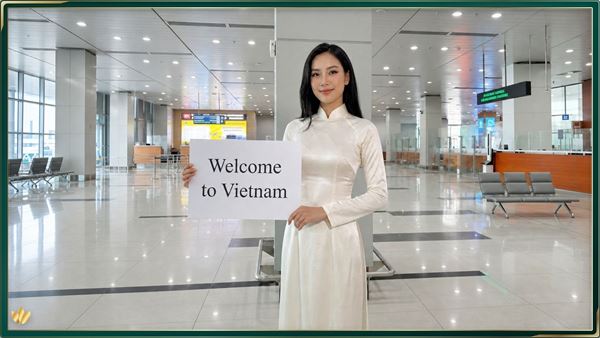
Phu Quoc International Airport, Phu Quoc
A Sondax host meets your group inside Terminal 2 at Phu Quoc and walks you to the priority immigration lane, on arrival or departure.
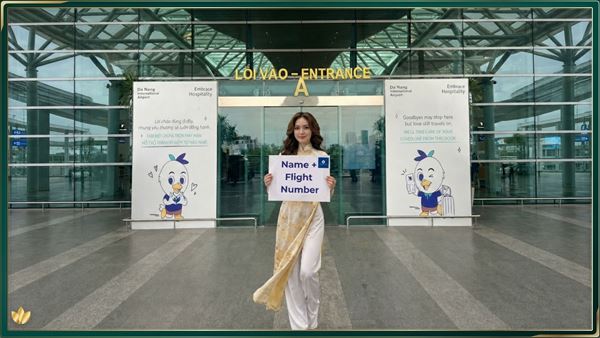
Da Nang International Airport, Da Nang
A Sondax host meets your group inside the international terminal at Da Nang and walks you to the priority immigration lane.
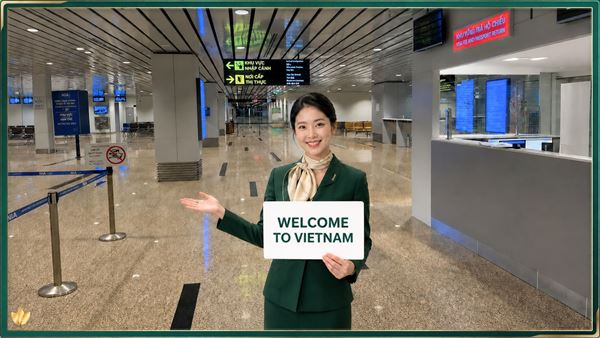
Cam Ranh International Airport, Nha Trang
A Sondax host meets your group inside Terminal 2 at Cam Ranh and takes you to the priority immigration lane, arrival or departure.
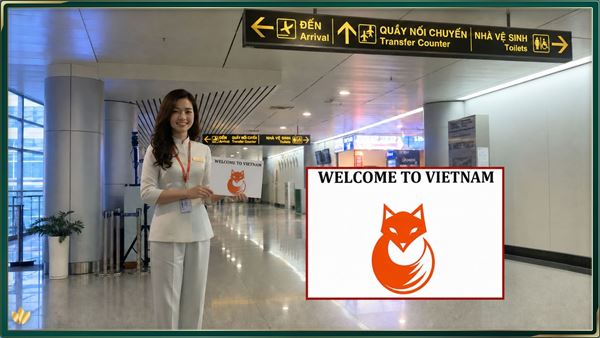
Tan Son Nhat, Ho Chi Minh City
A Sondax host meets your group inside the terminal at Tan Son Nhat and walks you straight to the priority immigration lane.
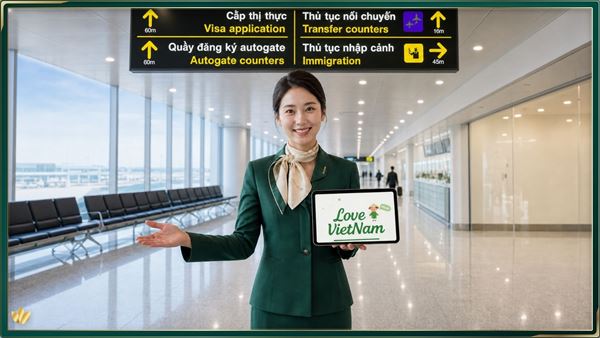
Noi Bai International Airport, Hanoi
A Sondax host meets your group inside Terminal 2 at Noi Bai and walks you past the queue to the priority immigration lane.