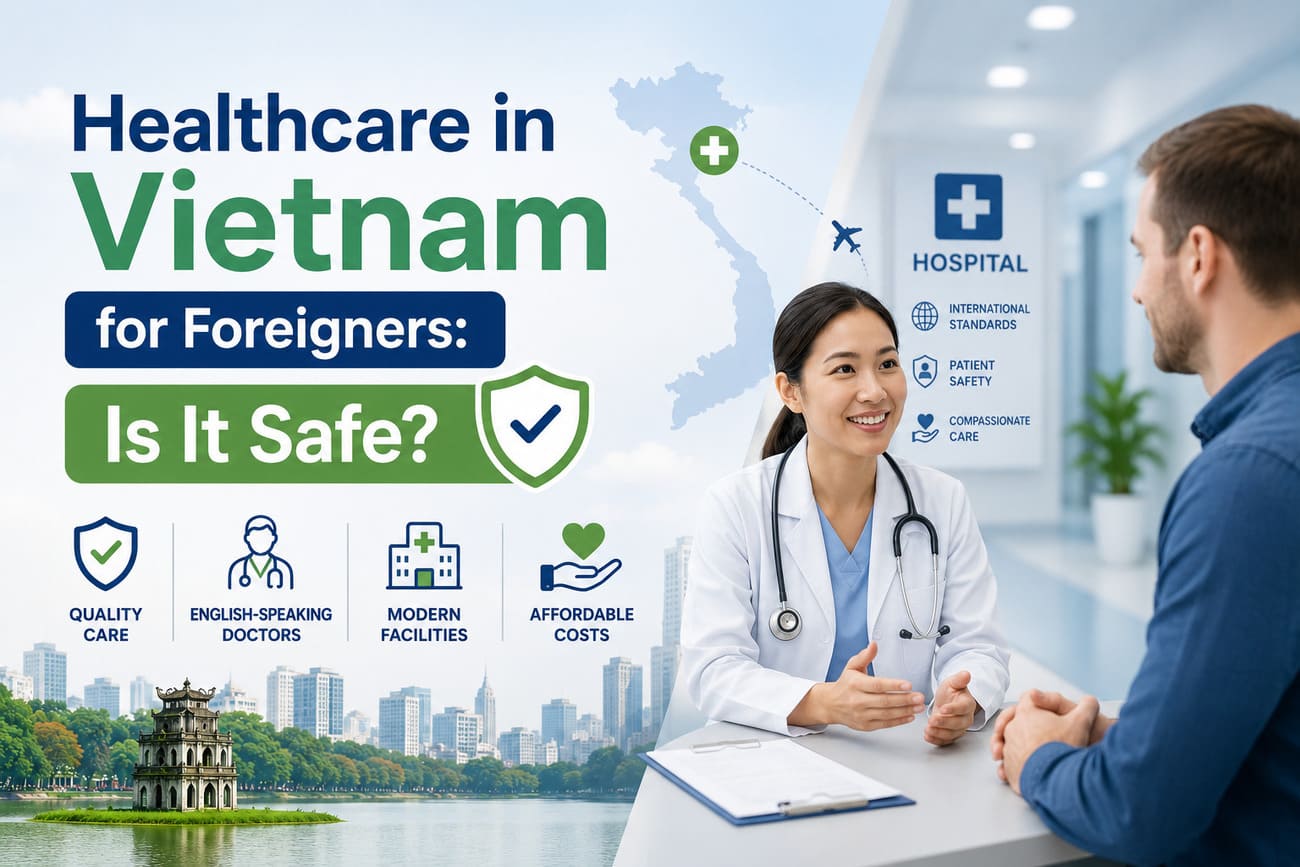
Medical Tourism in Vietnam: Cost, Safety & Guide 2026
Medical tourism in Vietnam costs 50 to 80 percent less than equivalent procedures in the United States, United Kingdom, or Australia, with dental implants starting around $1,000, full health checkups from $125, and IVF cycles from $3,000 per round. According to IMARC Group's market analysis, Vietnam's medical tourism market reached an estimated USD 850.9 million in 2025 and is expected to continue growing at an annual rate of approximately 18% over the coming decade.
This guide covers the four main service categories, real costs with comparisons, hospital safety standards, and a step-by-step process for planning treatment from abroad.
Medically reviewed by Dr. Nguyen Thi Mai HuongUpdated July 18, 2026
Key Takeaways
Vietnam's medical services cost 50-80% less than the US, UK, and Australia, with no compromise on equipment or clinical outcomes at accredited hospitals.
The most popular treatments for international patients are dental work, executive health checkups, IVF and fertility treatment, and endoscopy/cancer screening.
JCI-accredited hospitals operate in both Ho Chi Minh City and Hanoi, with English-speaking medical teams and same-day or 24-hour results.
Most procedures require 3-14 days in Vietnam. A 90-day multiple-entry e-visa covers even multi-stage treatments like dental implants.
Why international patients choose Vietnam for medical treatment
Vietnam has become an increasingly popular destination for medical tourism due to its competitive pricing, internationally accredited hospitals, and relatively short waiting times for many elective procedures. According to market research by IMARC Group, Vietnam's medical tourism market was estimated at USD 850.9 million in 2025 and is projected to grow at a compound annual growth rate (CAGR) of 17.98% between 2026 and 2034.
Consider two common examples: A dental implant that costs $5,000 in the US runs $1,000 to $1,500 in Vietnam using the same implant systems. An executive health checkup that typically takes weeks to schedule and costs $2,500 or more in the US can be completed in a single morning for $125 to $500.
According to Vietnam's Ministry of Health, healthcare services in Vietnam typically cost around 30–50% of those in Singapore and Thailand. For many elective procedures, international patients may also find substantially lower prices than in the United States, the United Kingdom, and Australia, depending on the treatment. That price gap exists not because the care is inferior, but because operational costs, labor, and hospital overheads are structurally lower in Vietnam.
Another advantage is accessibility. For many elective procedures, waiting times in Vietnam are often shorter than those reported in publicly funded healthcare systems. For example, procedures that require six-month waiting lists in Australia or Canada can often be scheduled within days in Vietnam. For patients who need multiple visits (like dental implant placement followed by crown fitting), the 90-day multiple-entry e-visa provides enough time to complete the full treatment cycle in a single trip.
And unlike many medical tourism destinations, Vietnam is also a strong leisure destination. Patients routinely combine treatment in Hanoi or Ho Chi Minh City with recovery time in Ha Long Bay, Hoi An, or Phu Quoc. If you are planning your entry, our Vietnam e-visa guide covers the exact steps and fees.
What medical services are available for international patients?
Vietnam's medical tourism sector covers four main service categories, each with dedicated hospitals and English-speaking specialists. The most popular treatments for international patients are dental care, health screening, fertility support, and gastrointestinal diagnostics. Here is what each one involves and what it typically costs.
Dental care
Dental work is one of the main drivers of medical tourism in Vietnam. Ho Chi Minh City alone generates roughly $142 million annually from dental tourism, according to Vietnamese health authorities. Common procedures include single-tooth implants, full-arch restorations (All-on-4 and All-on-6), porcelain veneers, and crowns. Many clinics serving international patients use globally recognised implant systems that are available in the US and Europe, including Straumann (Switzerland), Nobel Biocare (Sweden), and Osstem (South Korea), with CAD/CAM digital planning and 3D scanning. For a detailed breakdown of costs, clinics, and what to check before booking, see our dental work in Vietnam guide.
Health checkups and cancer screening
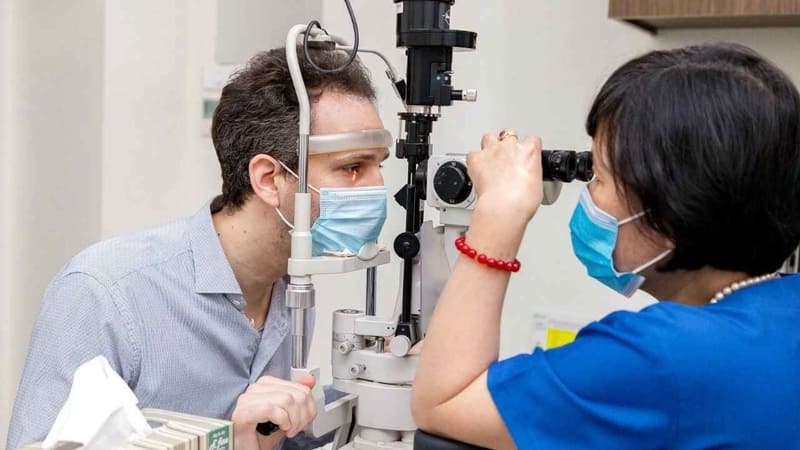
Executive-level health screening packages that can be completed in a single morning, such as blood panels, tumor markers (AFP, CEA, CA 19-9, CA 125, PSA), cardiac workup, abdominal ultrasound, chest X-ray, and specialist consultations across internal medicine, ENT, dental, and ophthalmology. Top-tier packages add MRI or CT imaging and colonoscopy. Results are delivered in English within 24 hours. For details on what each tier includes, see our health checkup in Vietnam guide.
IVF and fertility treatment
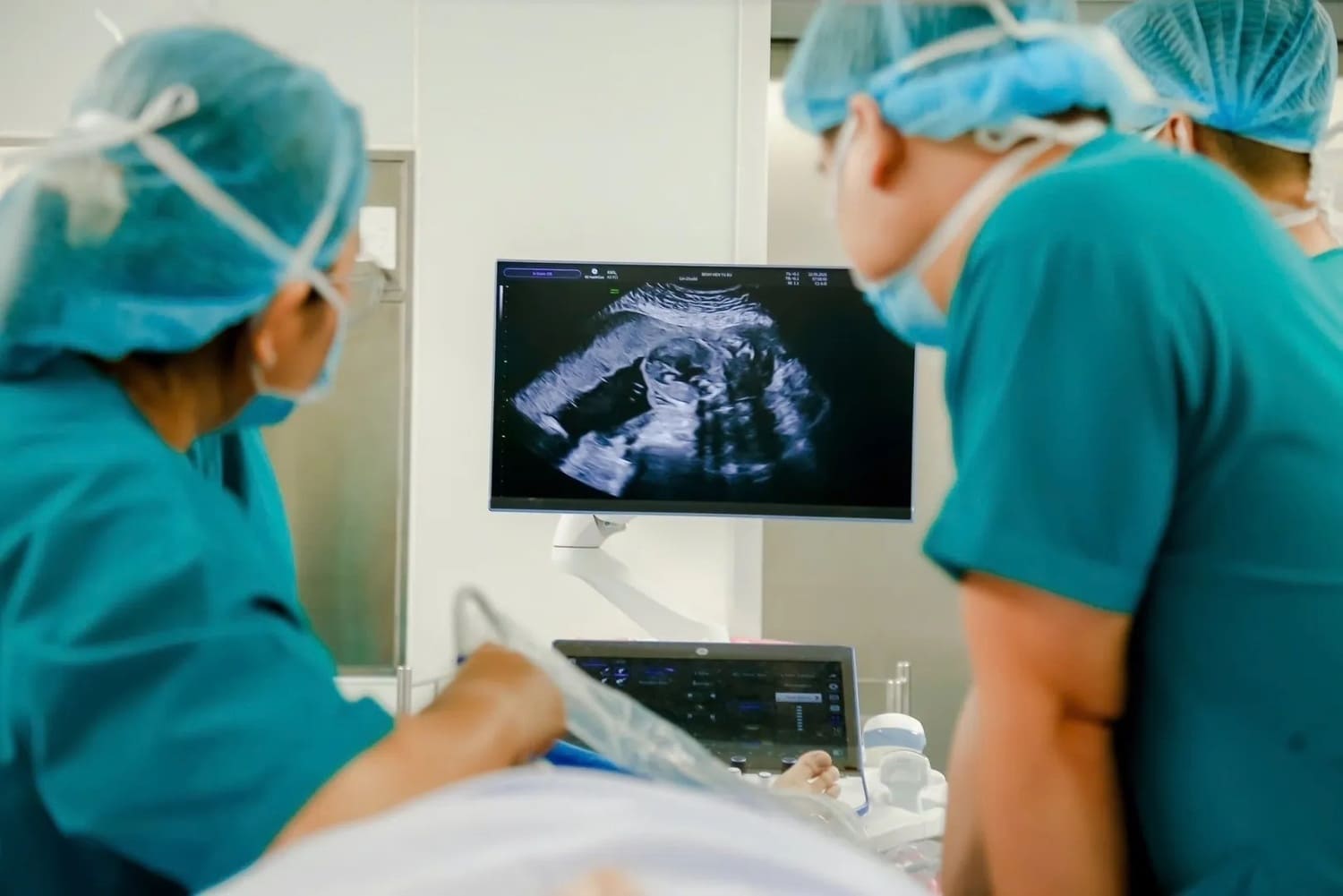
Vietnam performs more than 50,000 IVF cases per year across 65 licensed fertility centers, with clinical pregnancy rates of approximately 40–60% in selected patient groups, although outcomes vary according to age and clinical characteristics. Leading centers offer advanced technologies, such as ICSI, PGT-A/PGD genetic screening, blastocyst culture, and vitrification (flash freezing). A typical IVF cycle costs approximately $3,000 to $6,000, compared to $15,000 to $25,000 in the US. Leading centres such as Tam Anh IVF Center, My Duc Hospital, and Hanh Phuc International Hospital have English-speaking reproductive endocrinologists and dedicated international patient coordinators. Read more in our IVF in Vietnam guide.
Endoscopy and gastrointestinal screening
Sedated (painless) gastroscopy and colonoscopy are widely available at international-standard hospitals in both Hanoi and Ho Chi Minh City. Hospitals use Olympus and Fujifilm endoscopy systems, and most procedures are completed within 30 to 45 minutes under sedation. A combined upper and lower endoscopy typically costs $200 to $500, compared to $3,000 to $5,000 in the US for uninsured patients, depending on the provider and facility. Full details are in our endoscopy in Vietnam guide.
Medical tourism costs in Vietnam: common procedures
The table below shows approximate market ranges for the most requested procedures across Vietnam, compared to typical costs in the United States. All Vietnam prices reflect private international-standard hospitals, not public facilities. Exact pricing is confirmed with the hospital before you commit.
Procedure
Vietnam
United States
Estimated savings
Single dental implant (titanium + crown)
$1,000 - $1,500
$3,000 - $6,000
60-75%
All-on-4 full-arch implants
$4,000 - $7,500
$20,000 - $28,000
70-80%
Porcelain veneer (per tooth)
$200 - $450
$1,500 - $2,000
75-85%
Executive health checkup
$125 - $500
$2,000 - $10,000
90-95%
IVF cycle (full)
$3,000 - $6,000
$15,000 - $25,000
75-80%
Gastroscopy + colonoscopy (sedated)
$200 - $500
$3,000 - $5,000
85-90%
Sources: Ministry of Health data, hospital published rates (including Vinmec, FV Hospital, Tam Anh Hospital, and Hanoi French Hospital), medical tourism industry reports (verified June 2026). Exact prices confirmed with the hospitals before booking.
What to know:
These prices cover the medical procedure only. They do not include flights, accommodation, or local transport. For dental implants requiring two stages (placement, then crown fitting 3-6 months later), factor in two trips unless you opt for immediate provisional restoration protocols (where clinically appropriate). Our team provides itemized quotes that break down every cost before you commit.
Is medical tourism in Vietnam safe?
Yes, when you choose a reputable hospital or clinic with qualified clinicians and appropriate accreditation. Many leading private hospitals in Vietnam have obtained internationally recognised accreditations, demonstrating compliance with recognised standards for quality, infection prevention, and patient safety. As with treatment in any country, outcomes depend largely on choosing the right hospital and clinical team.
International accreditation
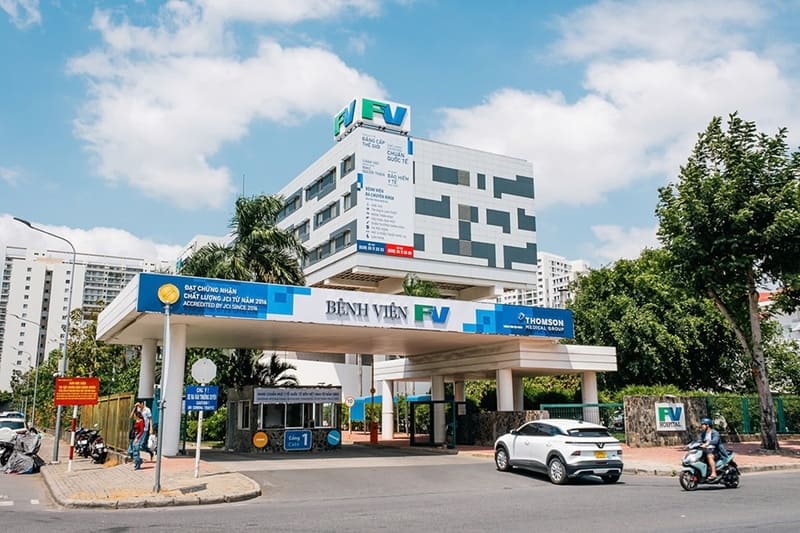
JCI (Joint Commission International) is one of the world's most widely recognised healthcare accreditation programmes. In Ho Chi Minh City, FV Hospital received JCI accreditation in 2016, and Vinmec Central Park holds JCI, AABB, ACC, and ISO certifications. In January 2025, the HCM City Blood Transfusion and Hematology Hospital became the first public hospital in Vietnam to achieve JCI accreditation, scoring 9.89 out of 10. The government's 2025-2030 strategy targets at least 15 internationally accredited hospitals by 2030, including five public institutions.
For fertility treatment, Hanh Phuc International Hospital holds RTAC (Reproductive Technology Accreditation Committee) certification from Australia, and Hung Vuong Hospital was the first public hospital in Vietnam to receive ACHSI (Australian Council on Healthcare Standards International) accreditation.
Doctor training and English support
Many physicians working at major private and international hospitals have completed postgraduate training, fellowships, or continuing professional education overseas in France, the US, Japan, South Korea, or Australia. At JCI-accredited facilities, English-speaking coordinators handle everything from intake paperwork to result delivery. Medical reports are issued in English, typically within 24 hours. For a broader look at how Vietnam's healthcare system serves foreigners, including what to expect at public versus private hospitals, we have a separate guide.
The real risks
As with medical treatment in any country, outcomes depend largely on choosing the right provider. Vietnam has thousands of medical facilities, and quality varies dramatically between a JCI-accredited international hospital and a small local clinic. Here is what to verify before booking:
Does the hospital or clinic hold recognised accreditation relevant to your treatment (such as JCI, ACHSI, or RTAC)?
Is your doctor licensed by the Ministry of Health with verifiable credentials?
Does the hospital have a dedicated international patient department with English-speaking staffs?
Are the treatment costs, follow-up arrangements, and warranty terms (where applicable) clearly explained in writing?
Where to go: Hanoi, Ho Chi Minh City, or Da Nang?
Vietnam's medical tourism infrastructure is concentrated in three cities, each with distinct strengths. Your choice depends on your procedure, budget, and what you want to do during recovery.
Ho Chi Minh City handles the largest volume of international patients (roughly 40 percent of all medical tourists in Vietnam, according to the city's Department of Tourism) and has the widest range of accredited facilities. Hanoi is strong in health screening and fertility treatment. Da Nang is a growing option for dental patients who prefer a quieter coastal setting.
How medical tourism in Vietnam works: step by step
Planning medical treatment in Vietnam follows a clear sequence, whether you arrange it independently or work with a medical concierge like Sondax. Here is the typical timeline from first inquiry to follow-up care.
1. Initial consultation (remote).
Share your medical records, X-rays, or test results with the hospital or coordinator. Most facilities offer free telemedicine consultations and provide a written treatment plan with an itemized cost estimate within 24 to 48 hours.
2. Travel planning.
Apply for your Vietnam e-visa ($25 official fee, typically processed in 3 business days). Book flights and accommodation near the hospital. For treatments requiring multiple visits, confirm the full timeline before booking your return flight.
3. Arrival and transfer.
Arrange airport pickup and hospital transfer. If you are arriving on a long-haul flight, schedule your first appointment for the day after arrival to avoid fatigue affecting test results. Our airport fast-track service handles immigration and luggage, so you clear the airport in under 15 minutes.
4. Treatment.
Most health checkups are completed in a single morning (3-5 hours). Dental procedures range from single-visit procedures (veneers, crowns) to multi-stage over 3-6 months (implants). IVF cycles typically span 4-6 weeks per round.
5. Results and follow-up.
Lab results are delivered in English within 24 hours at most international hospitals. For procedures requiring follow-up (implant crowns, IVF monitoring), hospitals provide telemedicine consultations and coordinate with your home doctor if needed.
How long do you need to stay in Vietnam for treatment?
Stay duration depends entirely on your procedure. A health checkup can be done in a single day. Dental veneers or crowns typically take 3-5 days. Dental implant placement requires 5-7 days for the first stage, then a second trip of 3-5 days for the crown fitting 3-6 months later (unless you qualify for same-day implant protocols). A full IVF cycle requires 4-6 weeks. Colonoscopy and gastroscopy are day procedures with one rest day recommended afterward.
Procedure
Minimum stay
Recommended stay
Notes
Health checkup
1 day
2-3 days
Allows time for result review with the doctor
Veneers/crowns
3 days
5-7 days
Includes lab time for custom fabrication
Dental implants
5 days
7-10 days
Stage 1 only. Crown fitting requires a second trip.
IVF cycle
4 weeks
5-6 weeks
From stimulation to embryo transfer
Endoscopy (sedated)
1 day
2 days
One rest day post-sedation
What to know:
The 90-day multiple-entry e-visa is long enough for almost any single treatment. For dental implants that require two stages, many patients plan a first trip for placement, then return 3-6 months later for the final crown. Some clinics offer same-day implant protocols for qualifying cases, but this depends on bone density and clinical assessment.
What are the real risks and hidden costs?
No medical tourism guide is complete without the honest part. Vietnam offers genuine value, but there are costs and risks that most competitor articles skip. Here is what to account for.
Two-trip procedures. Dental implants almost always require two separate visits, 3-6 months apart. That means two sets of flights and hotel costs. Factor this into your total budget before comparing to your home country's prices.
Warranty travel. If an implant or crown needs revision within the warranty period, you may need to fly back to Vietnam. Ask the clinic upfront: what does their warranty cover, and is there a partner clinic in your home country that honors it?
Quality variance. Not every clinic in Vietnam operates at JCI standards. Social media advertising and low prices can mask poor clinical standards. Stick to hospitals with verifiable accreditation, not just social media reviews.
Communication gaps. Even at English-friendly hospitals, nuances can be lost. Request all treatment plans, consent forms, and aftercare instructions in written English. If anything is unclear, ask before signing.
Insurance. Most international travel insurance policies do not cover elective medical tourism procedures. Check your policy carefully, and consider medical-specific travel insurance if you are having surgery.
Post-treatment complications. If something goes wrong after you return home, coordinating follow-up care between your Vietnamese doctor and your local doctor requires planning. Ask your Vietnamese hospital for a full medical report to take home, and confirm whether they offer telemedicine follow-up.
FAQ
Can I combine medical treatment with a holiday in Vietnam?
Yes, and most patients do. A typical plan is to schedule treatment in Hanoi or Ho Chi Minh City in the first few days, then spend recovery time exploring Ha Long Bay, Hoi An, Phu Quoc, or the Mekong Delta; however, travel plans should follow your treating doctor's advice. Health checkups take just one morning, leaving the rest of your trip free. For dental implant placement, plan 5-7 days for treatment and recovery before traveling.
Do Vietnamese hospitals accept international insurance?
Some private hospitals (FV Hospital, Vinmec, Family Medical Practice) have direct billing agreements with select international insurers. However, most elective medical tourism procedures (dental, cosmetic, health checkups) are paid out-of-pocket. Ask the hospital for an itemized quote in advance and check with your insurer about reimbursement.
Is Vietnam cheaper than Thailand for medical tourism?
Generally, yes. According to the Ministry of Health, Vietnam's healthcare costs are approximately 30 to 50 percent lower than Thailand's. The gap is particularly large for dental work and health checkups. Thailand has a more established medical tourism brand and higher-end hospital hotels, but Vietnam offers comparable clinical quality at lower prices. We compare the two markets in detail in our Vietnam vs Thailand medical tourism guide.
Do I need a special visa for medical treatment in Vietnam?
No. The standard 90-day multiple-entry e-visa ($25 fee) is sufficient for most medical procedures. There is no separate "medical visa" category. For longer treatments like multi-cycle IVF, you may need to extend your visa or plan multiple trips. Our e-visa guide covers the full process.
How do I verify a hospital's accreditation before booking?
Check the JCI website directly at jointcommissioninternational.org for a searchable list of accredited organizations. For ACHSI or RTAC accreditation, check the Australian Council on Healthcare Standards website. Do not rely solely on a hospital's own claims. Ask for the accreditation certificate number and verify it independently.
Plan your medical trip to Vietnam with Sondax
Sondax coordinates your medical treatment in Vietnam end-to-end, in English, from your first message to post-treatment follow-up. We match you with accredited hospitals, arrange airport fast-track, transfers to the hospital, and accommodation nearby. Tell us what you need, and we'll send you an itemized quote within 48 hours. See our medical services.
This article is for general information only and does not constitute medical advice, diagnosis, or treatment. Always consult a qualified healthcare professional regarding your individual circumstances.
Written by
Dr. Nguyen Thi Mai Huong
MD, PhD
Physician-researcher specialising in acupuncture and neuroscience, with a PhD in Acupuncture Science and over a decade of clinical and academic experience.