Religion in Vietnam mixes Buddhism, ancestor worship, Catholicism and local faiths like Cao Dai. See 2019 census numbers and how to visit temples politely.
Religion in Vietnam is a mix rather than one faith: most families keep an ancestor altar and visit Buddhist pagodas, while smaller groups follow Catholicism, Protestantism and local religions such as Cao Dai and Hoa Hao. In the 2019 census, only 13.7% of people said they belonged to an organized religion. That low number surprises many visitors, because incense, altars and temples are everywhere you look.
The short version
There is no single main religion in Vietnam. Most people follow a blend of folk belief, ancestor worship and Buddhist practice without joining a formal religious group, which is why official numbers look low. Among organized religions, Catholicism and Buddhism have the most registered followers.
The 2019 census asked people whether they belonged to a religion, and 13.2 million said yes, or 13.7% of the population. Catholics were the largest group at about 5.9 million (6.1%), followed by Buddhists at about 4.6 million (4.8%), Protestants and Hoa Hao followers at around 1 million each, and about 556,000 Cao Dai followers. The government's religious affairs office uses a different method and counts registered members of recognized organizations: in 2025 it listed 16 religions, 40 religious organizations and about 27.4 million followers. Both sets of numbers miss the much larger group of people who pray at pagodas and keep family altars but do not call themselves religious.
Each belief has its own places and seasons, so it helps to know where you will meet it on your trip. The table below shows the main groups, how many people followed them in the 2019 census, and one place where visitors can see each one in daily life.
| Belief | Followers (2019 census) | Where you see it | Place to visit |
|---|---|---|---|
| Ancestor worship and folk belief | Most households, not counted | Home and shop altars across the country | Any family home or small street shrine |
| Buddhism (Mahayana) | About 4.6 million (4.8%) | Pagodas in every town | Thien Mu Pagoda in Hue |
| Catholicism | About 5.9 million (6.1%) | North and south, often in whole villages | Phat Diem Cathedral in Ninh Binh |
| Protestantism | About 1 million (1%) | Cities and Central Highlands | Churches in Dalat and Buon Ma Thuot |
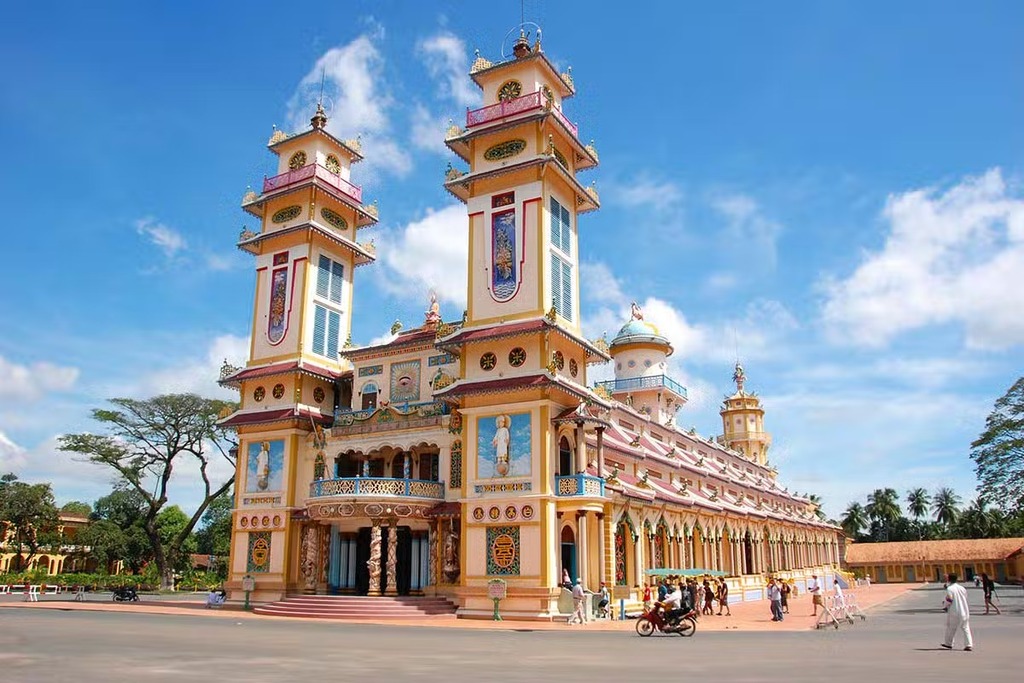
| Cao Dai | About 556,000 (0.6%) | Southern provinces | Cao Dai Holy See in Tay Ninh |
| Hoa Hao Buddhism | About 1 million (1%) | Mekong Delta, mainly An Giang | Villages around Phu Tan |
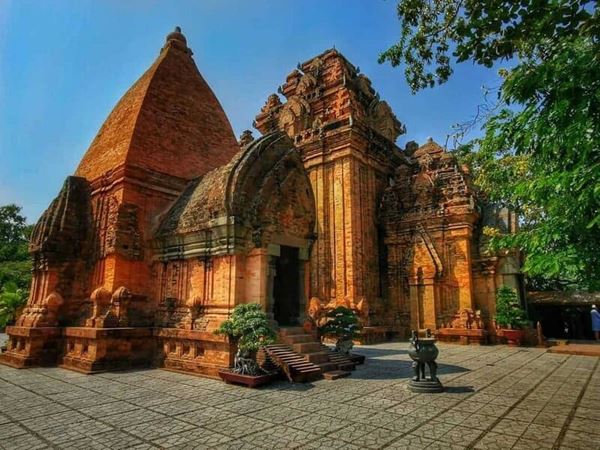
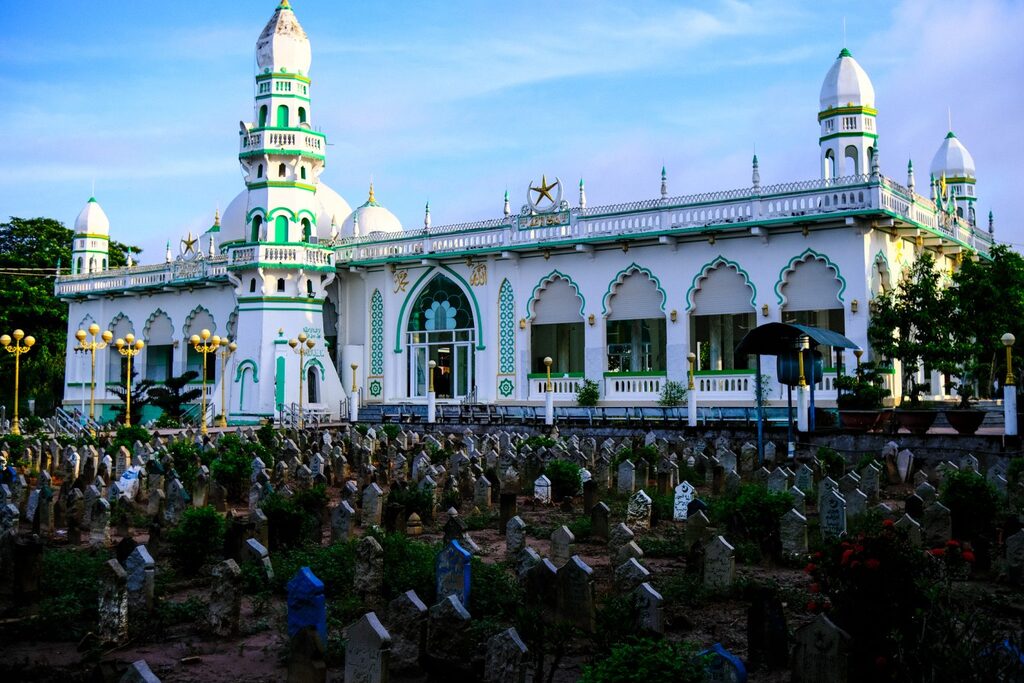
| Theravada Buddhism (Khmer), Islam and Hinduism (Cham) | Small communities | Mekong Delta and south-central coast | Khmer pagodas around Soc Trang (now part of Can Tho City), Cham towers near Phan Rang |
Sources: 2019 Population and Housing Census (General Statistics Office of Vietnam); Ministry of Ethnic and Religious Affairs figures for 2025. Checked October 2026.
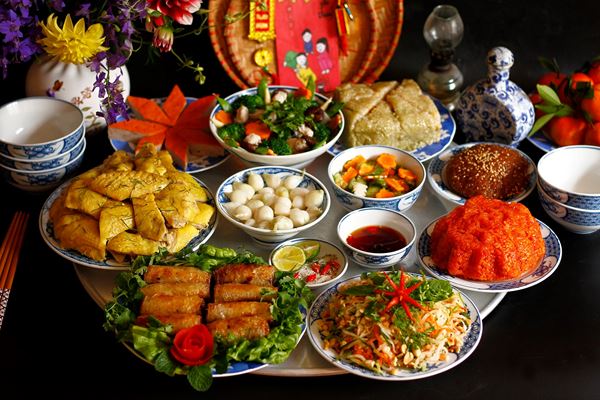
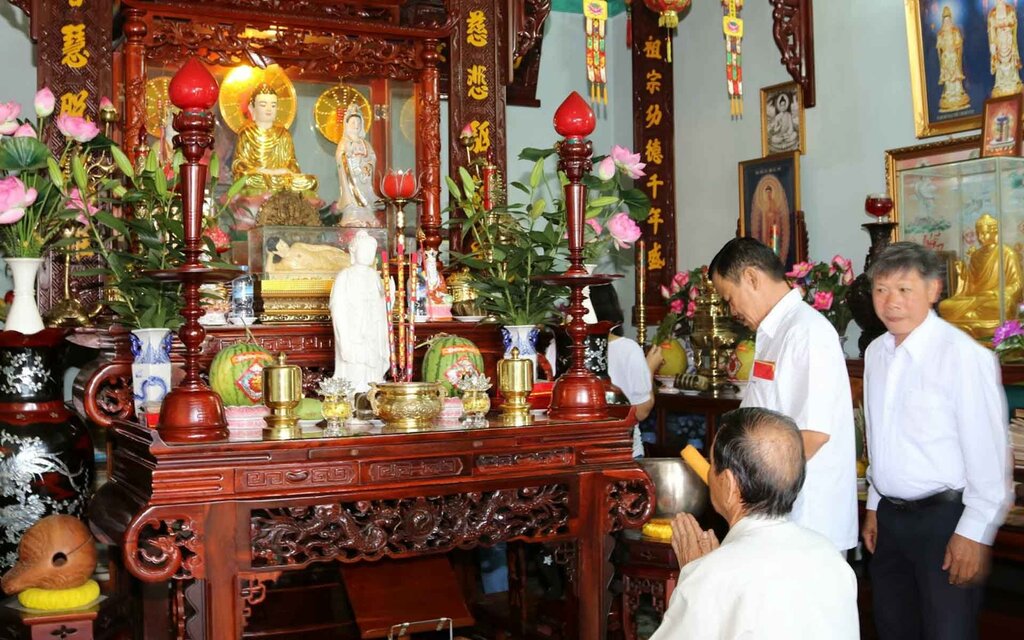
Ancestor worship is the most widely shared belief in Vietnam, and almost every home, shop and office has an altar with photos, incense, fruit and flowers. People light incense to remember parents and grandparents, ask for their protection, and tell them about family news.
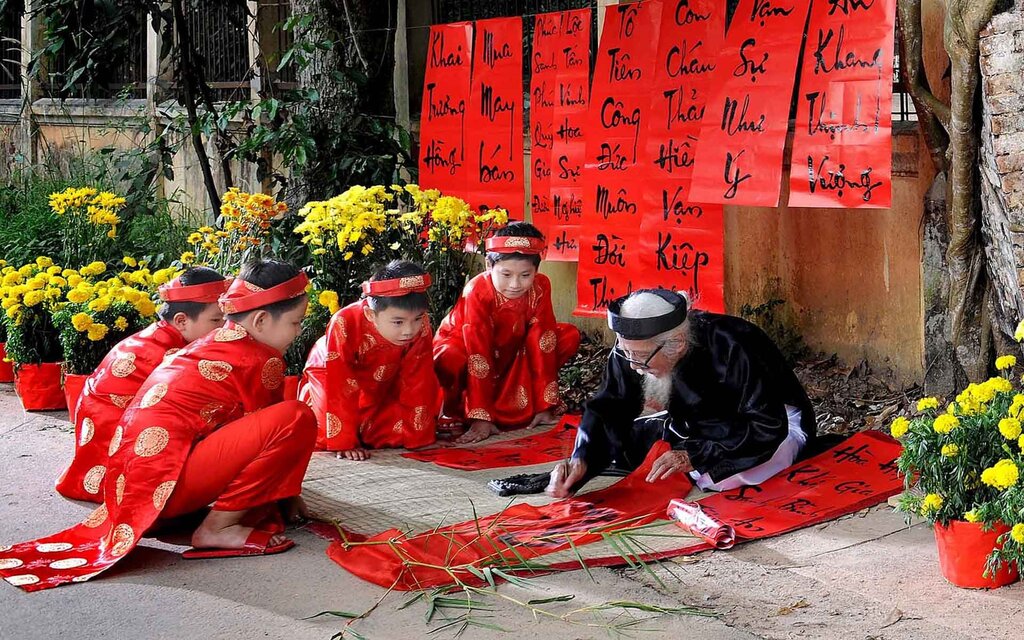
The altar usually sits in the highest, most respected spot of the house. Families make larger offerings on death anniversaries, at Tet, and on the 1st and 15th days of each lunar month, when you will see more incense smoke in the streets and more people at pagodas. In our Hanoi office, someone brings fresh fruit and incense to the small altar on those two mornings, and the café downstairs does the same. During the 7th lunar month, usually August or September, many families burn paper offerings for wandering spirits, so don't be surprised by small fires in metal bins on the pavement. Vietnamese belief in the Mother Goddesses of Three Realms, known as Dao Mau, is also part of this folk tradition, and UNESCO listed its rituals as Intangible Cultural Heritage in 2016.
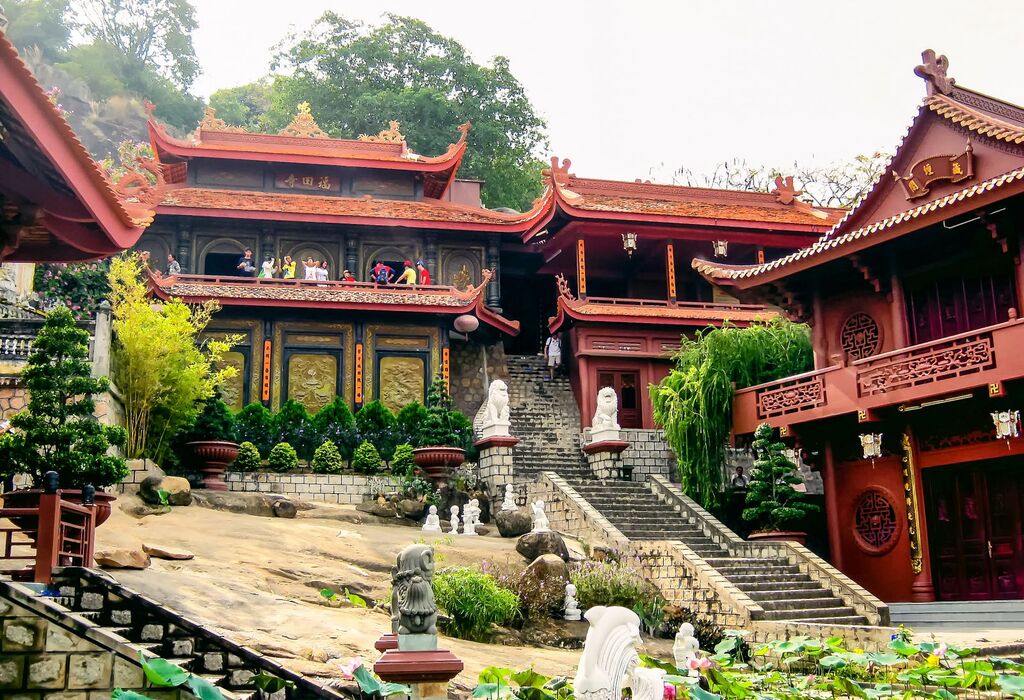
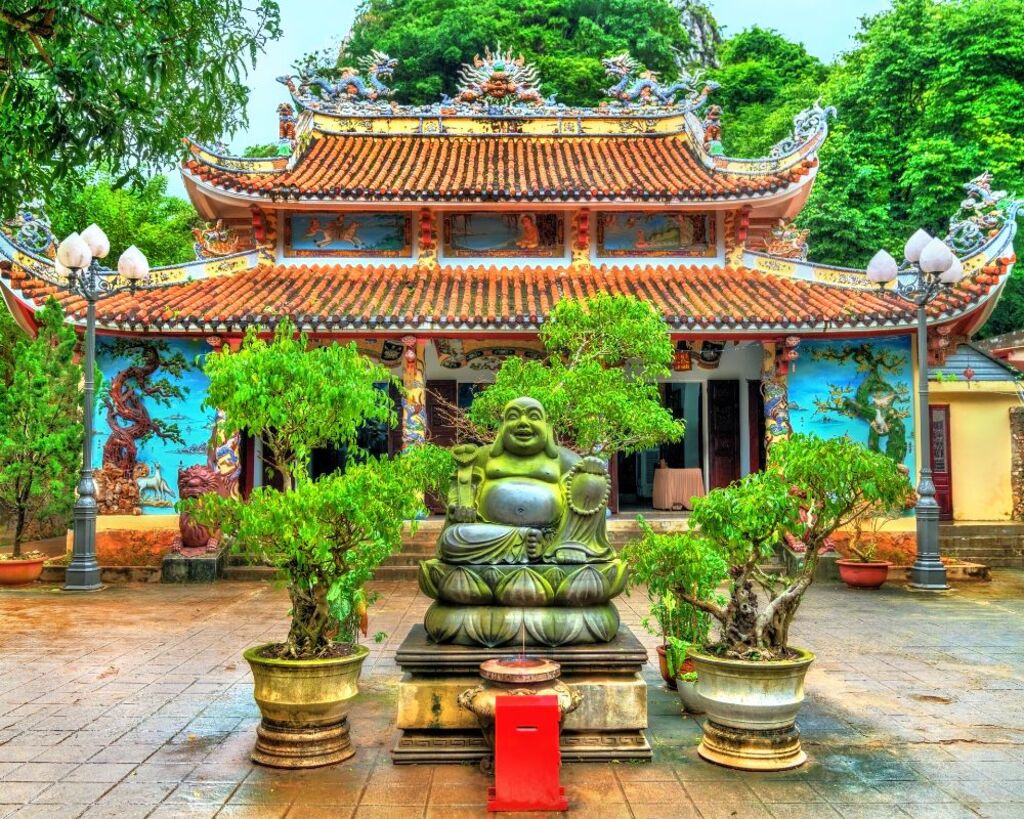
Buddhism in Vietnam is mostly Mahayana Buddhism, which arrived from China around 2,000 years ago and mixed with Confucian and Taoist ideas and with local spirits. Most pagodas welcome visitors every day, and you can walk in quietly, watch people pray, and leave a small donation if you wish.
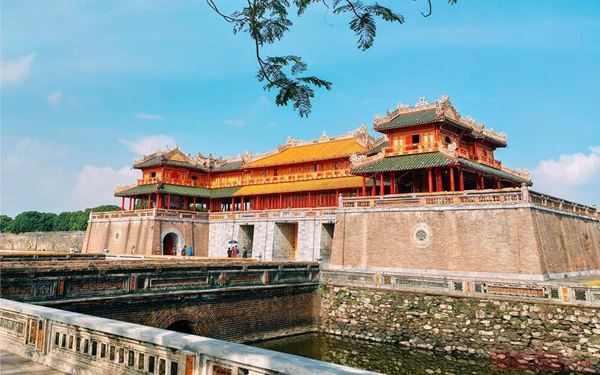
Many pagodas mix Buddha statues with altars to local gods, national heroes and the Mother Goddess, which is why one building can feel like several faiths at once. Thien Mu Pagoda, on a hill above the Perfume River, is one of the oldest and best known, and it fits well into a day of exploring Hue's imperial city and tombs. In the Mekong Delta, Khmer communities follow Theravada Buddhism, and their pagodas look closer to those in Cambodia, with tall roofs and monks in saffron robes. The biggest Buddhist holidays are Vesak, the Buddha's birthday on the 15th day of the 4th lunar month, and Vu Lan on the 15th day of the 7th lunar month, when people honor their parents.
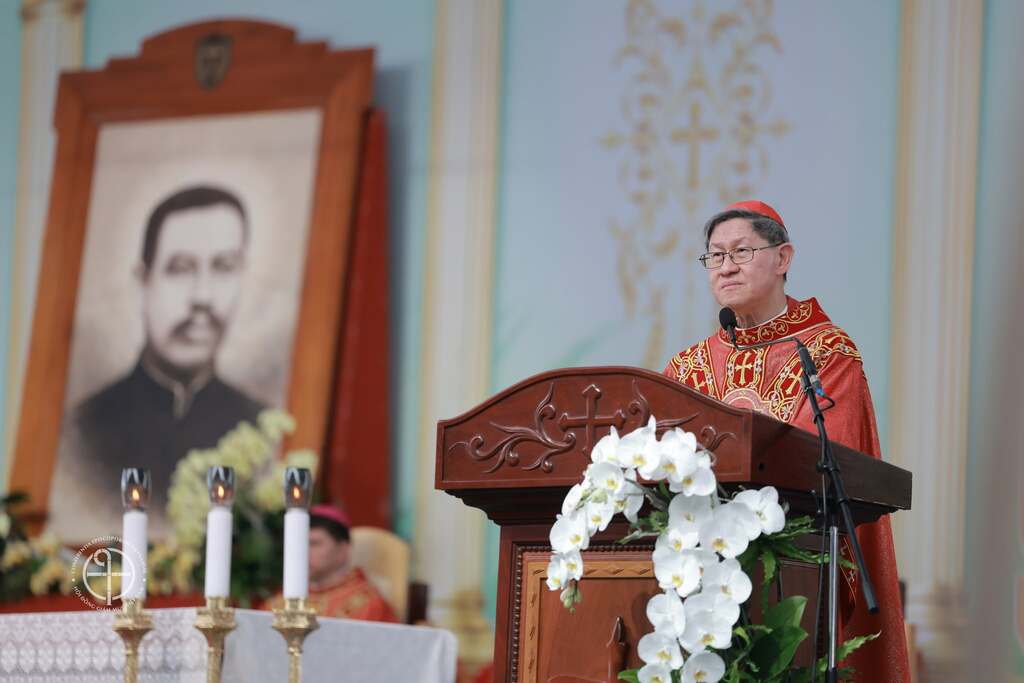
Catholicism in Vietnam dates back to European missionaries in the 16th and 17th centuries and has the largest number of registered followers today. Vietnam also has two religions that started in the country in the 20th century: Cao Dai in 1926 and Hoa Hao Buddhism in 1939, both mainly in the south.
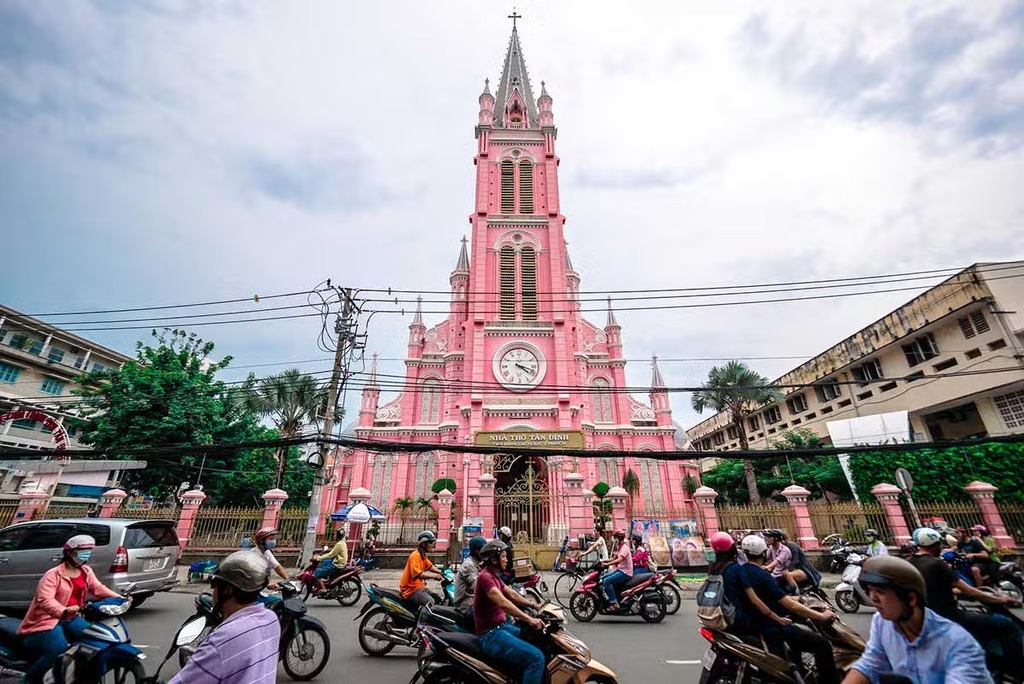
Catholic churches are easy to find in Hanoi, Ho Chi Minh City and Dalat, and Christmas is a big public celebration in cities, even for non-Christians. Phat Diem Cathedral, built of stone and wood in the style of a Vietnamese pagoda, is an easy stop on a trip to Trang An and Tam Coc in Ninh Binh. Cao Dai combines ideas from Buddhism, Taoism, Confucianism and Christianity, and its Holy See near Tay Ninh is famous for its bright colors and the large Divine Eye symbol. Ceremonies are held four times a day, at 6:00, noon, 18:00 and midnight, and visitors on a Tay Ninh day trip from Ho Chi Minh City usually watch the noon one from the upper gallery. On the central coast, the Cham people kept Hindu traditions, and the ruined temples of My Son Sanctuary near Hoi An show how important Hinduism was here from the 4th to the 13th century.
Dress modestly, move quietly and follow what local people do. Cover your shoulders and knees, take off your shoes where you see others do it, and ask before you photograph people who are praying. You don't need a ticket for most pagodas and churches, and donations are always optional.
Sondax tip: Visit popular pagodas early on a weekday morning, and avoid the 1st and 15th days of the lunar month if you want a quiet visit. Check the lunar date on any calendar app before you go, as these days can be very crowded, especially at Tet.
The same rules help at the 14th-day full moon lantern night in Hoi An, when families make offerings at home and at pagodas before the lantern night on the river begins. For more everyday customs, see our guide to customs for visitors in Vietnam.
Vietnam's constitution protects freedom of belief and religion, and religious groups must register with the state to operate as official organizations. A new Law on Belief and Religion, passed by the National Assembly on 23 April 2026, takes effect on 1 January 2027 and replaces the 2016 law.
For visitors, this changes very little: you can attend services at churches and pagodas, join a prayer or simply watch, and nobody will ask you about your own beliefs. Larger festivals are organized by local communities and the authorities together, so some events have fixed visiting hours or closed areas.
Is Vietnam a religious country?
It depends on how you count. Only 13.7% of people said they belonged to a religion in the 2019 census, yet most families keep ancestor altars, light incense and visit pagodas on special days. Many Vietnamese people describe this as tradition rather than religion, so the country can feel very spiritual even though few people join a formal faith.
What should I wear to a pagoda in Vietnam?
Wear clothes that cover your shoulders and knees, such as a T-shirt with long trousers or a long skirt. Avoid tank tops, short shorts and see-through clothes. Bring socks or easy shoes, since you may need to take them off before you enter the main hall.
Can tourists go to Mass in Vietnam?
Yes. Catholic churches welcome visitors at Mass, and large churches in Hanoi and Ho Chi Minh City sometimes hold services in English or other languages. Check the church's notice board for times, dress modestly, and sit at the back if you only want to watch.
Do I need to pay to enter temples in Vietnam?
Most pagodas, churches and village temples are free to enter, and you can leave a donation in the box if you wish. Some large heritage sites, such as My Son Sanctuary or temples inside the Hue imperial complex, charge an entrance fee because they are managed as historic monuments.
Pick one or two religious sites on your route, check the lunar calendar before you go, and dress for the visit.
Want to see daily life up close?
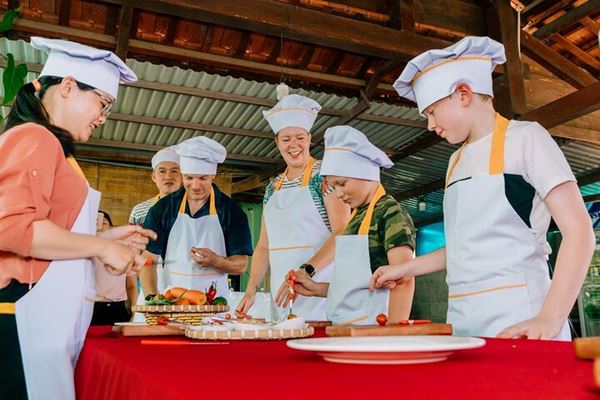
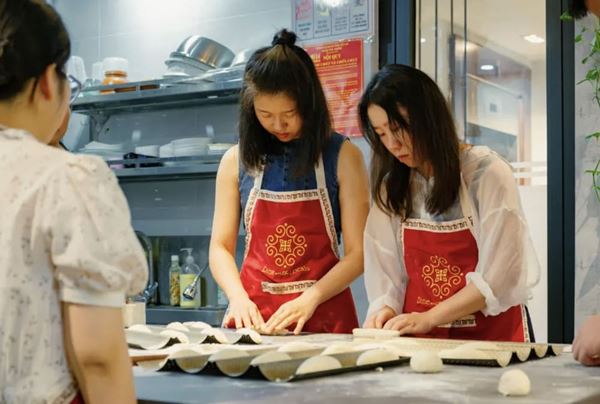
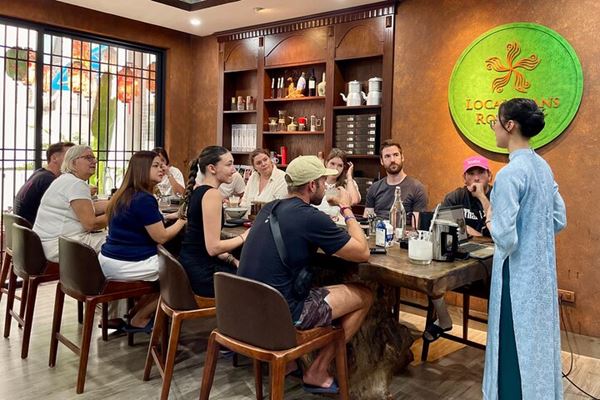
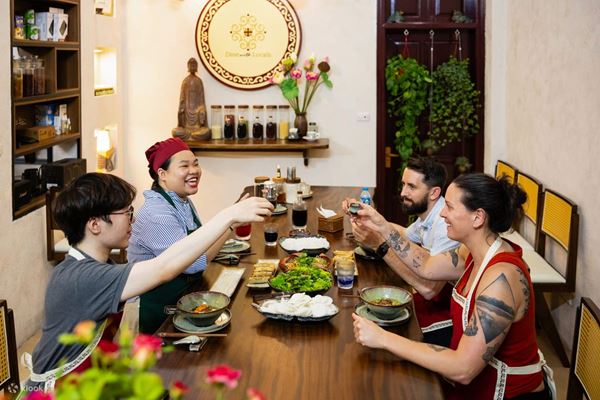
Many family traditions, from altar offerings to festival food, start in the kitchen. Join one of our hands-on cultural classes in Hanoi to learn them from local people.
Best visited during dry season (November to April) for ideal weather.
Book accommodations in advance during peak travel season.
Carry local currency (Vietnamese Dong) for markets and small vendors.
Respect local customs and dress modestly when visiting temples.