Born and raised in Hanoi, Anh Truong combines his deep local knowledge with years of experience in travel consulting and content creation. Passionate about authentic cultural experiences, he enjoys helping travelers discover Vietnam beyond the usual tourist routes.
Through his work, Anh focuses on creating journeys that feel personal, seamless, and meaningful. Whether sharing practical travel advice or hidden local gems, he always aims to provide honest and reliable insights drawn from real experiences on the ground.
Friendly, detail-oriented, and curious by nature, Anh believes that the best trips are not only about the places you visit, but also about the people and stories you encounter along the way.


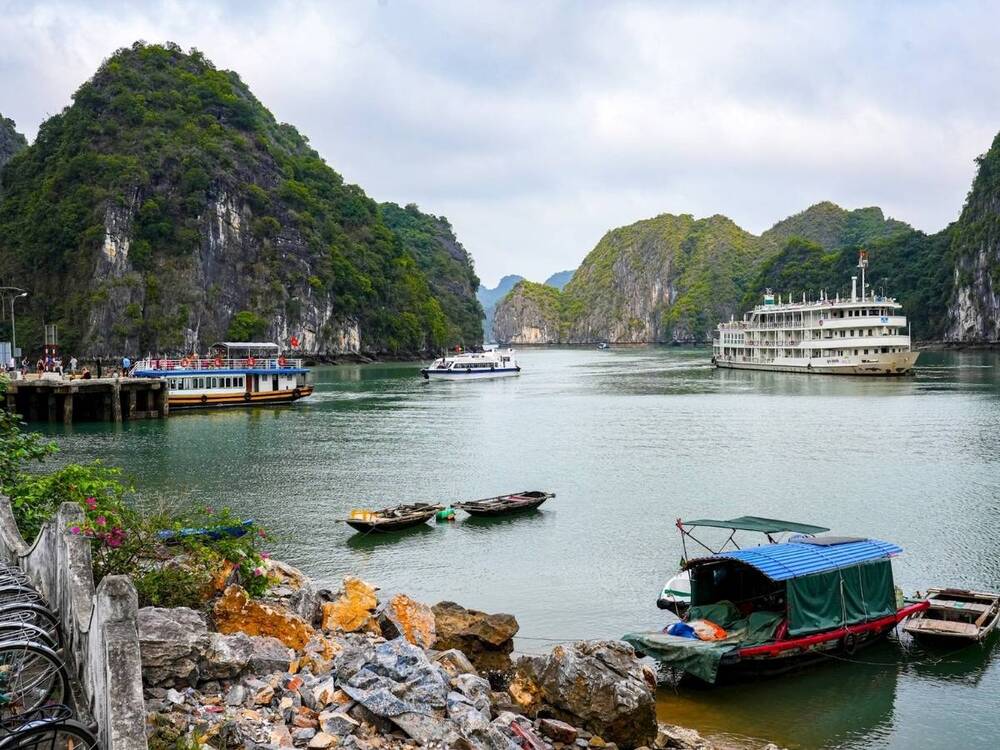
Hanoi to Cat Ba runs 4 to 5.5 hours by bus and ferry combo for about 230,000 to 350,000 VND, or 3 to 4 hours by private car with the ferry crossing included.

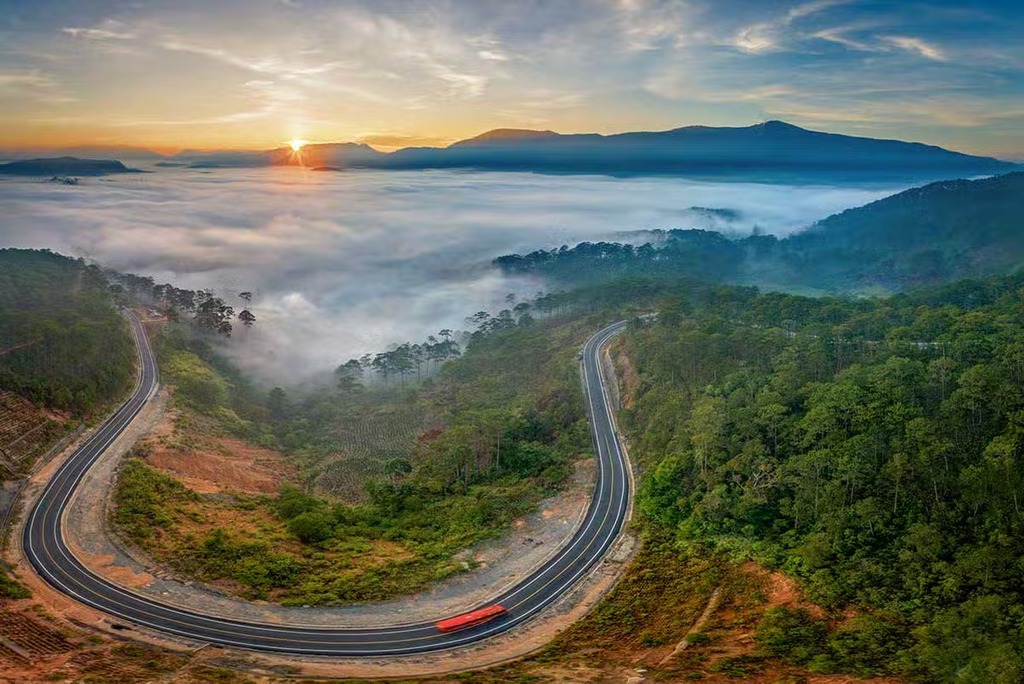
Dalat to Nha Trang means a 3 to 4.5 hour crossing of the 30 km Khanh Le Pass, whether you go by bus, a private car, or a guided motorbike tour over it.

Religion in Vietnam mixes Buddhism, ancestor worship, Catholicism and local faiths like Cao Dai. See 2019 census numbers and how to visit temples politely.

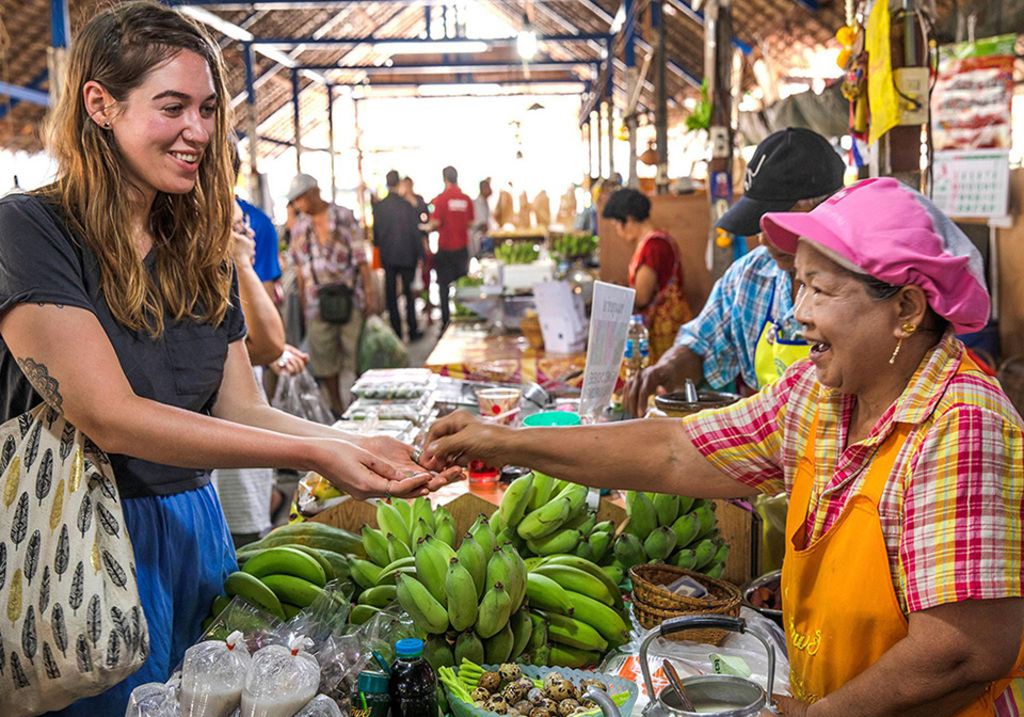
Bargaining in Vietnam explained: where haggling is normal, where prices are fixed, and why offering about 50% and settling near 70% works at most markets.

UK citizens do not need a visa to enter Vietnam for stays of up to 45 days, for tourism or business. This visa exemption runs under Resolution 44/NQ-CP through 14 March 2028. If your trip is longer than 45 days, involves multiple entries, or you travel on a BNO passport, you need a 90-day e-visa instead

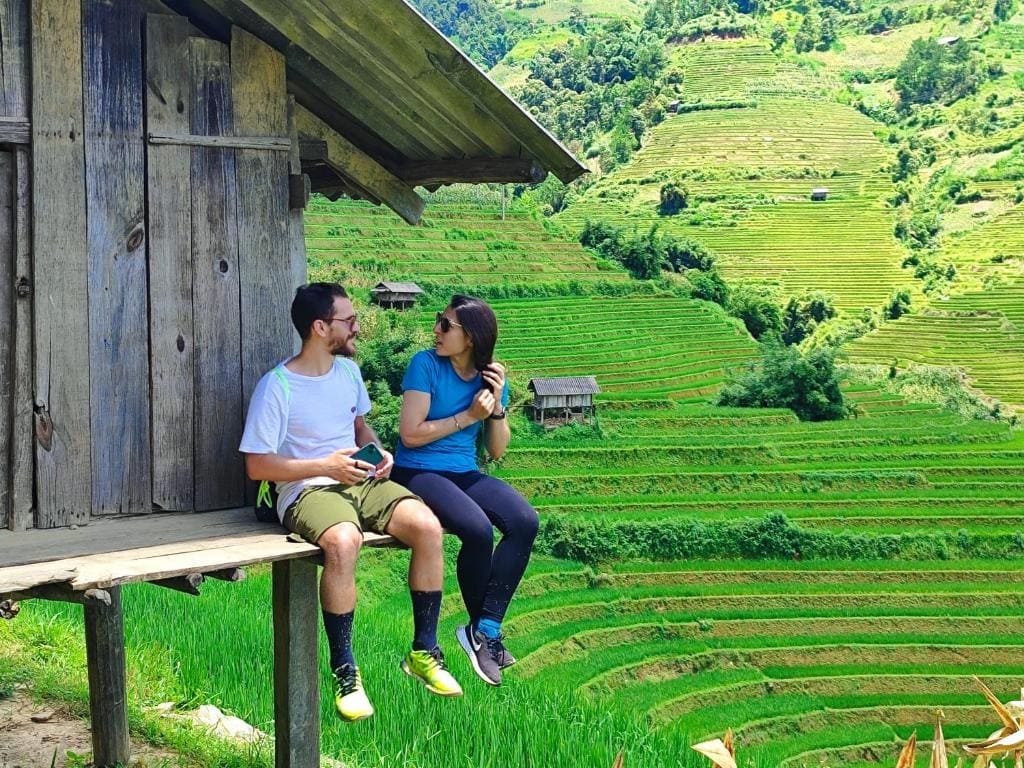
Mu Cang Chai is a highland area in Lao Cai Province (Yen Bai until 2025), about 300 km and 7 hours by road from Hanoi, known for 2,200 hectares of Hmong rice terraces. This guide covers the buses, how to get around if you do not ride a motorbike, the two best seasons, the main viewpoints and homestay etiquette.

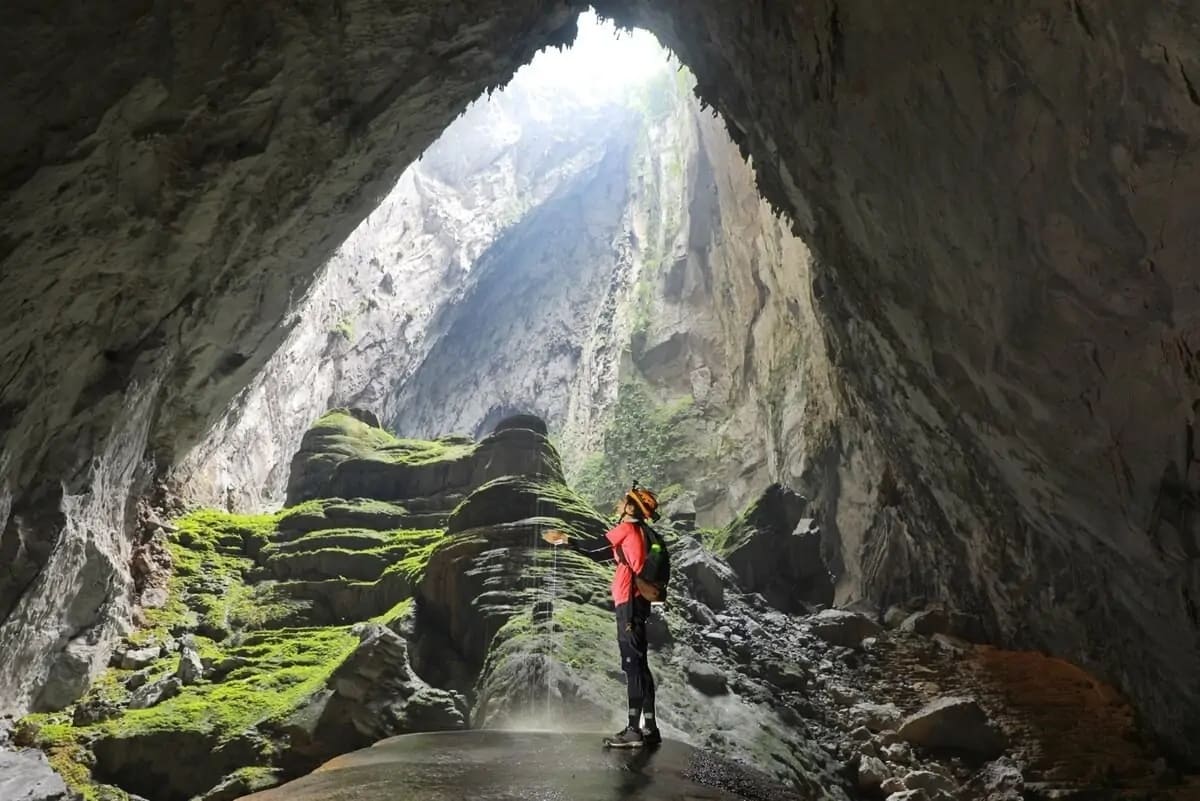
Phong Nha caves, ticket prices and boat fees, getting there from Dong Hoi, Hue or Hanoi, the dry season months and a 2-day plan for first-time visitors.

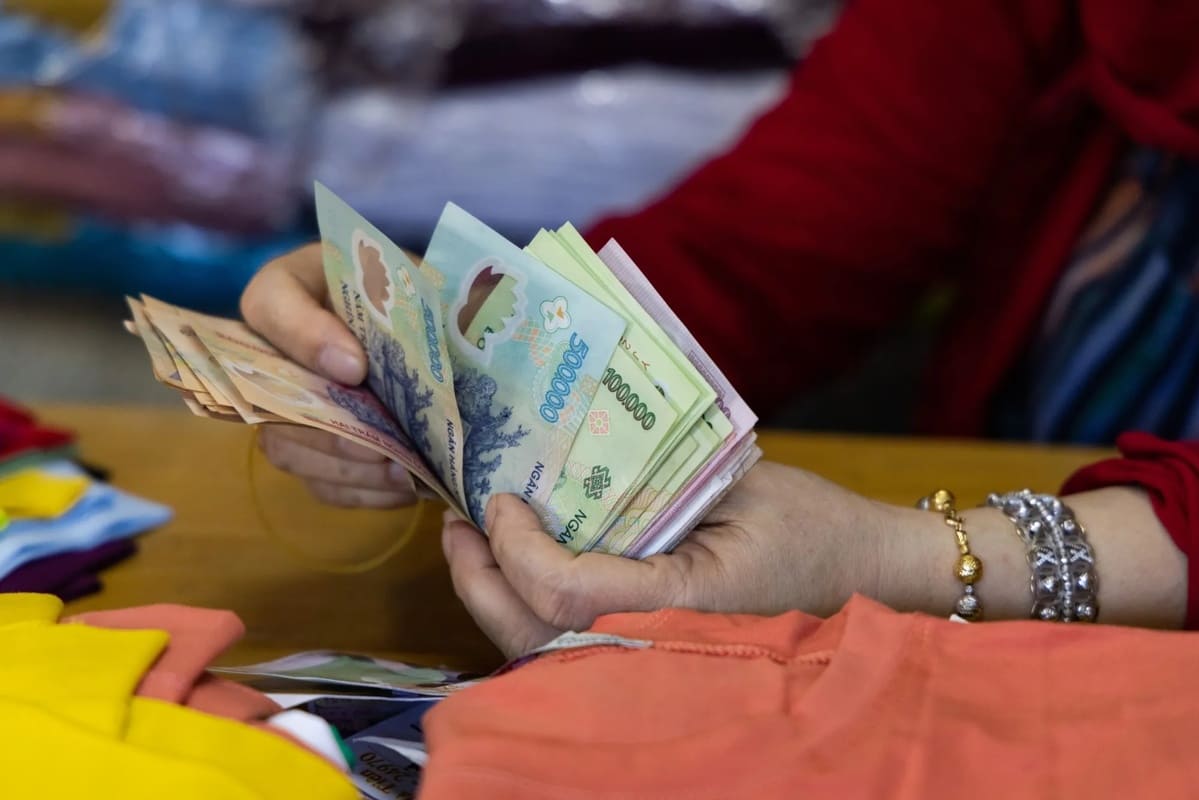
The Vietnam currency is the dong (VND), and it is what you pay with everywhere in the country. In November 2026 one US dollar buys about 25,500 to 25,900 dong, banknotes run from 1,000 to 500,000 VND, and cash still rules at street stalls and markets, while cards, contactless payment and ATMs work well in the cities.

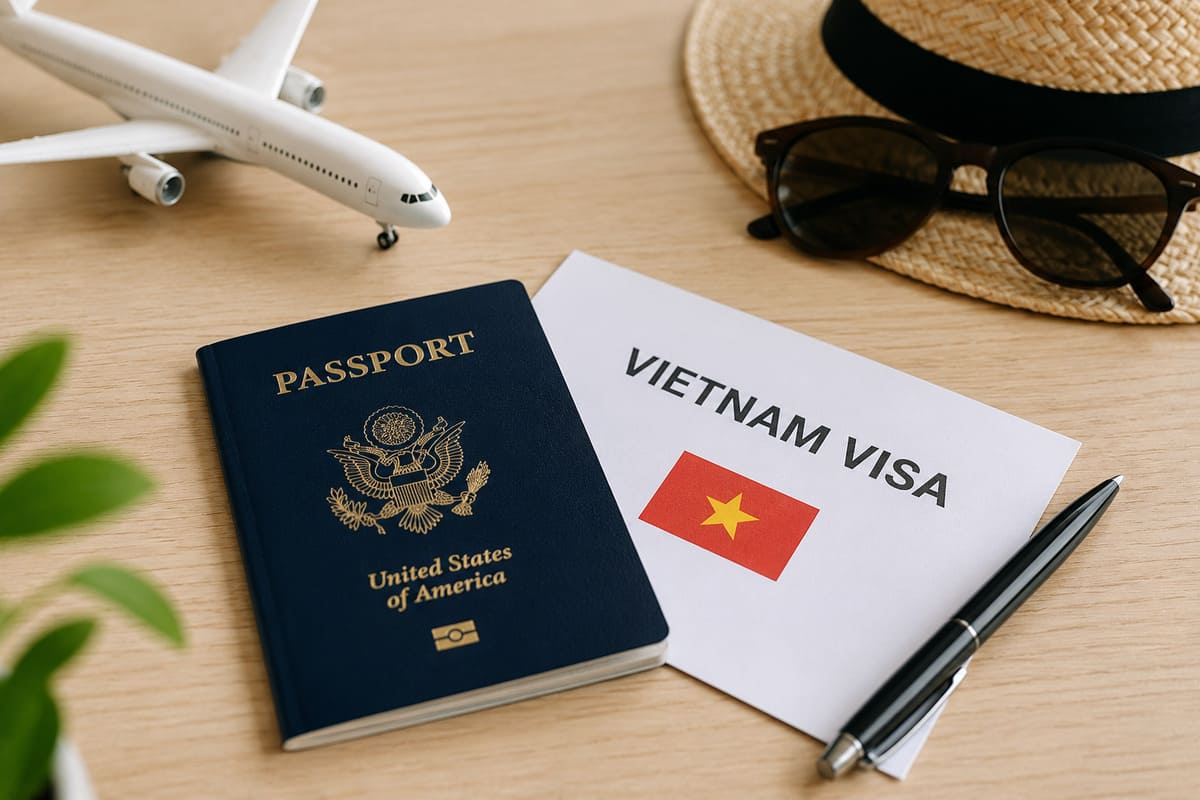
A Vietnam visa for US citizens is required for nearly every trip because Vietnam does not exempt American passports, and the simplest route is the official e-visa, which costs $25 for a single entry or $50 for multiple entries, stays valid for up to 90 days, and is usually issued within 3 working days of a complete application. This guide covers the three routes, the passport rules, the mistakes that get applications rejected, and what an overstay really costs.

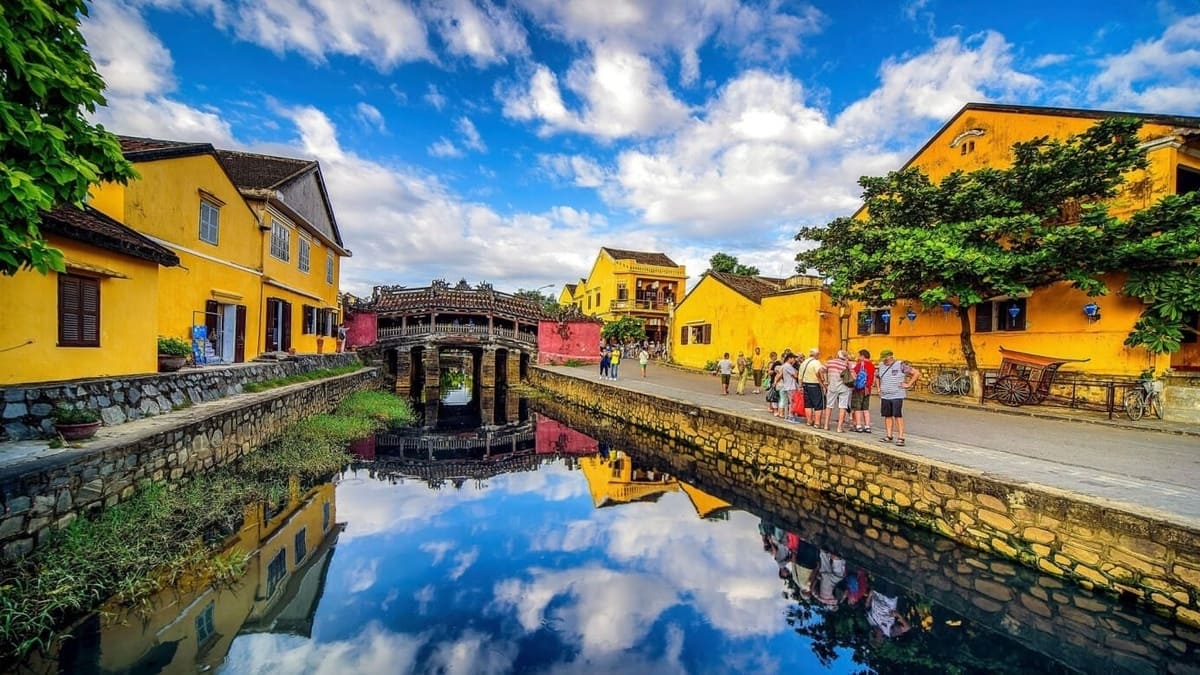
Hoi An Ancient Town: what the 120,000 VND ticket covers, the best things to do, lantern boat prices, a 2-day plan, the flood months and how to get there.

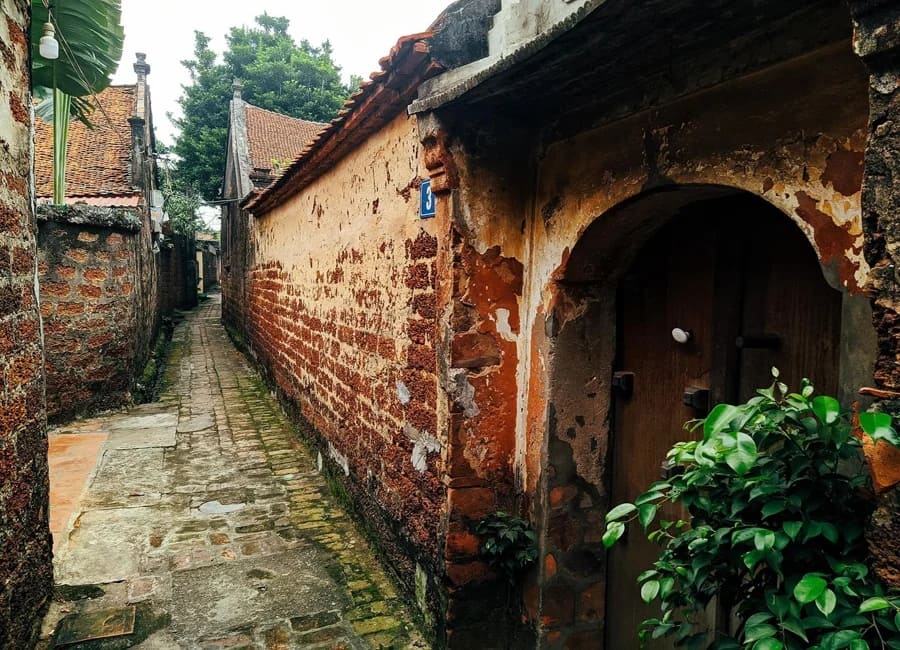
Duong Lam is an ancient village in Son Tay on Hanoi's western edge, about 45 to 50 km from the Old Quarter, with 956 traditional houses, many built of laterite. It was the first village in Vietnam to be ranked a national relic, in 2006, and is the home of two kings, Ngo Quyen and Phung Hung. Entry costs 20,000 VND.