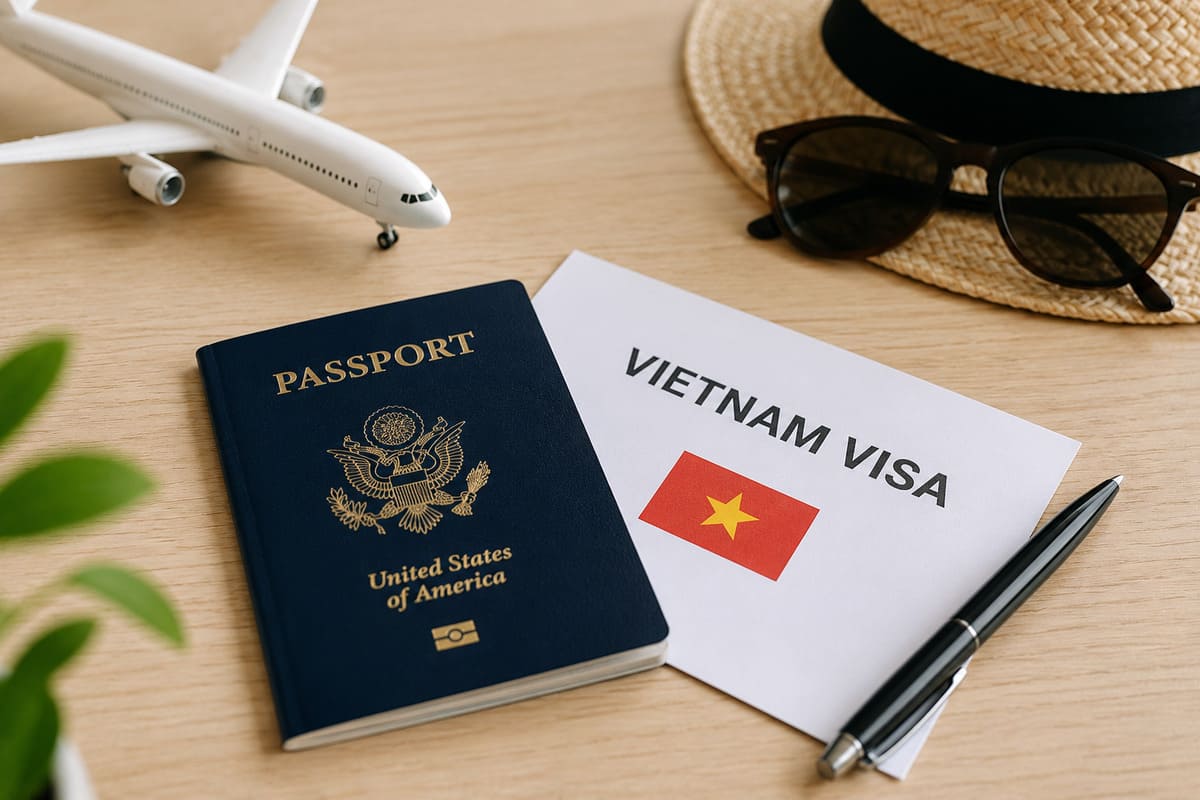

A Vietnam visa for US citizens is required for nearly every trip because Vietnam does not exempt American passports, and the simplest route is the official e-visa, which costs $25 for a single entry or $50 for multiple entries, stays valid for up to 90 days, and is usually issued within 3 working days of a complete application. This guide covers the three routes, the passport rules, the mistakes that get applications rejected, and what an overstay really costs.
The short version
Yes. US citizens need a visa for tourism, business or an airport exit during a layover, because Vietnam does not offer a visa exemption to American passports. The one exception is Phu Quoc Island, where most nationalities can stay up to 30 days without a visa after flying in directly. Everywhere else, you need approval before you board.
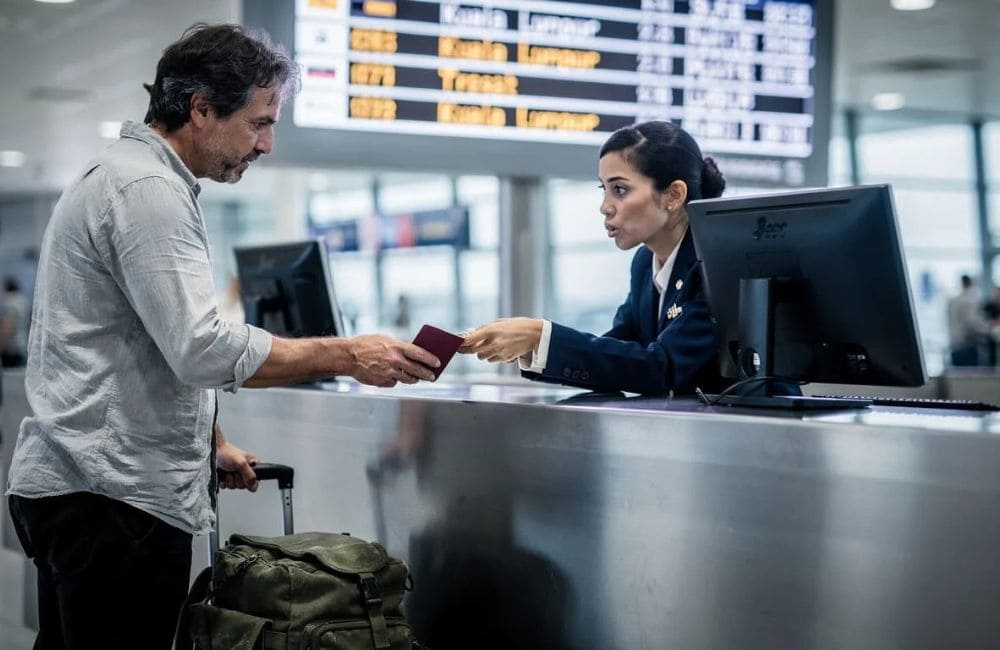
Airlines enforce this at the gate. Agents at Los Angeles, San Francisco or New York check your passport and your visa or approval letter before issuing a boarding pass, and a torn cover or water-damaged data page gives them grounds to refuse you.
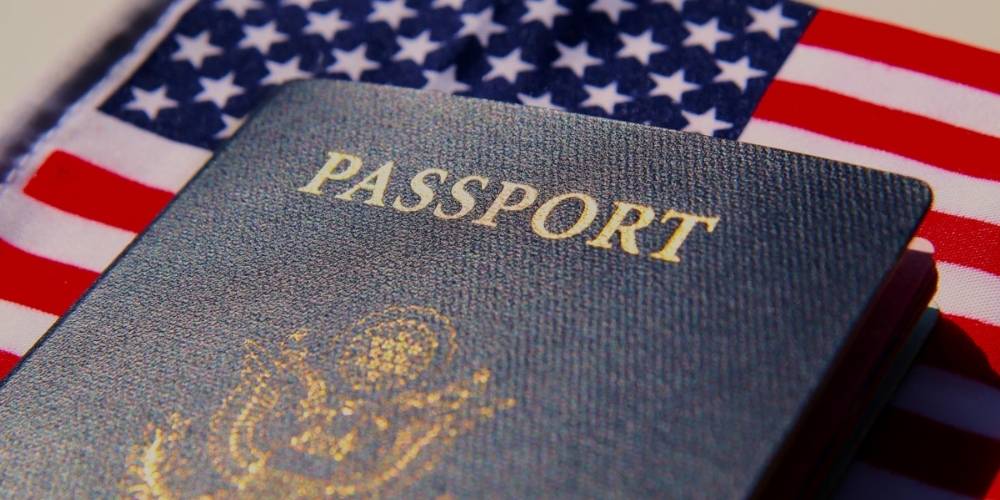
The US Department of State lists the rules that matter: a passport valid for 6 months beyond your arrival date, at least 2 blank pages for an e-visa, and the same passport for entry and exit. The e-visa itself must be printed on paper and carried with the passport. A 12-page US emergency passport may be refused for e-visa entry.
📌 Insider note:
Check your passport binding and the blank pages well before booking flights. A passport with 5 months left is the most common reason a booking falls apart at the airline desk, and renewing in the US takes weeks.
.jpg)
US tourists can choose between the e-visa applied for online, a visa on arrival that needs a pre-approval letter, and a sticker visa from a Vietnamese embassy or consulate. The e-visa fits most trips of up to 90 days; the other two cover narrower cases such as short-notice flights or long and complex stays.
If you also hold a second passport or travel with someone who does, see which passports skip the visa, because the rules follow the passport you travel on.
| Route | Cost | Time | Best for |
|---|---|---|---|
| E-visa | $25 single entry, $50 multiple entry | About 3 working days | Most tourist and business trips of up to 90 days |
| Visa on arrival | $25 or $50 stamping fee in cash, plus an agency fee for the approval letter | Letter in about 1 to 3 working days | Short-notice trips into an international airport |
| Embassy or consulate visa | Set by the mission, confirm before applying | About 5 working days at the Washington embassy | Long stays and cases that need paperwork attached |
Sources: Vietnam Immigration Department (evisa.gov.vn), US Department of State; figures as of October 2026. Agency fees vary by speed, so compare quotes.
.jpg)
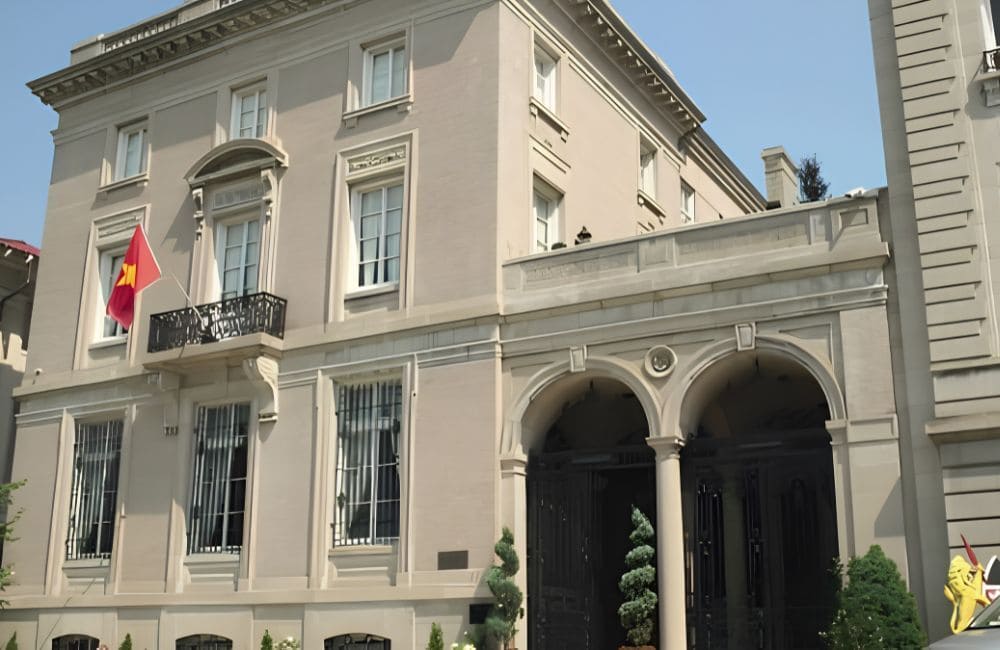
Standard tourism rarely needs the embassy at 1233 20th St NW. Use it for paperwork attached to your entry permit or the 5-year exemption certificate; applications go by mail with a money order and a prepaid return envelope, and standard processing takes about 5 working days. Vietnam also runs consulates general in San Francisco and Houston with regional jurisdictions, useful if you live nearby and prefer to speak with a consular officer. Confirm jurisdiction and fees on their websites first.
(1).jpg)
A Vietnam e-visa for US citizens is normally issued within 3 working days of a complete application, counted Monday to Friday in Vietnam time (GMT+7). Agency letters can arrive in 1 to 2 days, and embassy applications take about a week once mail time is included. Apply at least 14 days before you fly to leave room for corrections.
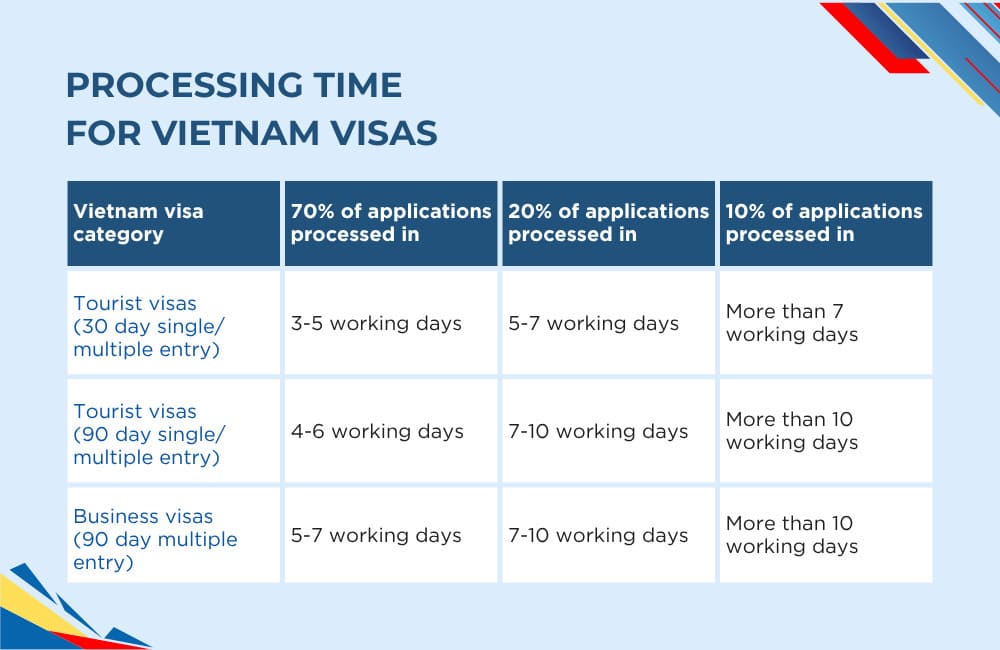
The portal runs on Vietnam time. Submit at 5:00 PM on a Friday in Chicago and it is already 5:00 AM Saturday in Hanoi, so the application waits until Monday. Around Tet, the Lunar New Year in late January or February, government offices close for about a week and processing stops. Build in five full working days if your trip overlaps a holiday.
.jpg)
The Vietnam e-visa portal checks your files with optical character recognition, which often clashes with US passport layouts. A single mismatched character triggers a denial, and the $25 fee is not refunded, so you pay again and restart the clock. Most rejections come from three things: name order, photo quality and the entry gate.
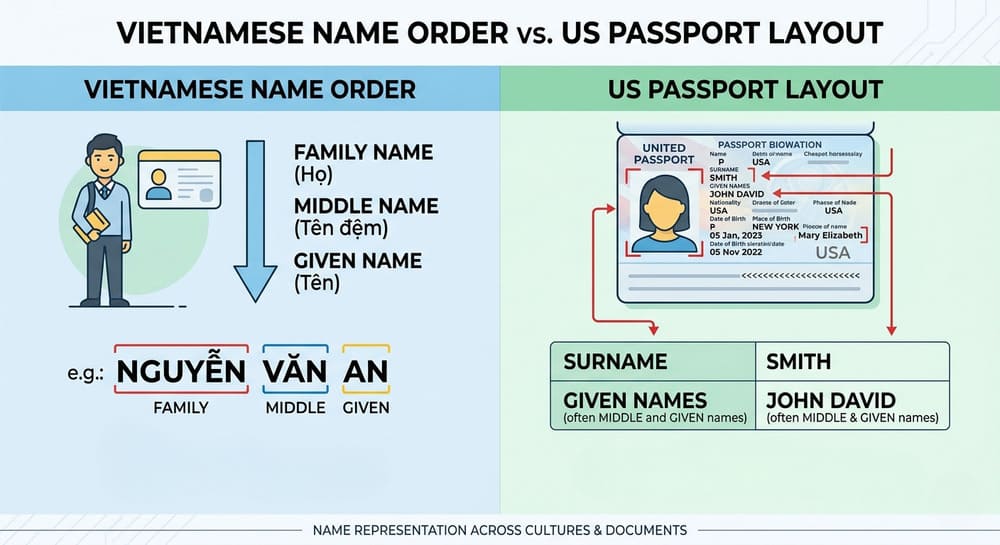
Entering your name incorrectly is the top reason for e-visa rejection. Vietnamese names run family name first, while a US passport lists surname and given names, with the middle name inside the given names field.
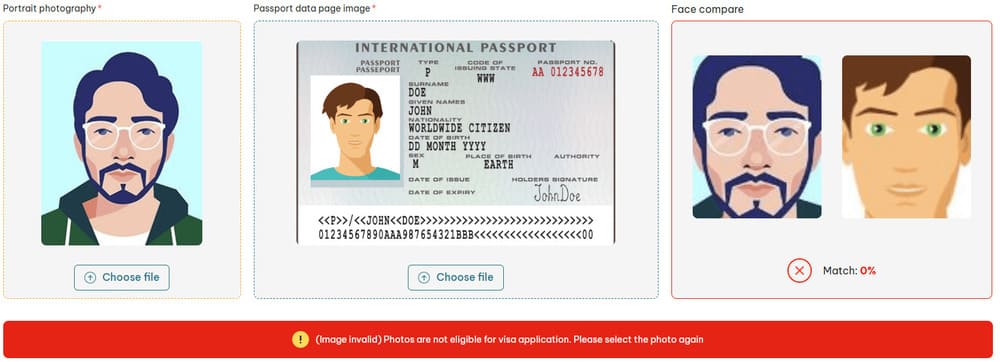
An improper portrait can halt your application without a clear error message. Use a standard JPEG under 2 MB, taken straight on against a plain white background. Take your glasses off even if you wear them daily, because glare on the lenses can trigger a manual review and add days to the wait.
Choosing the wrong entry gate is the costliest mistake. The State Department notes that your entry and exit points must match what you selected, so if you pick Noi Bai Airport and then cross at Moc Bai from Cambodia, officers can refuse you. The portal lists dozens of airports, land crossings and seaports (83 at last count), so choose the one you will actually use.
Another frequent error is the accommodation address. Write the building or hotel name, then the street number and ward, rather than a vague district. If a rejection arrives anyway, submit a new application with the error fixed, because the original fee is gone.
.jpg)
Yes, but it is not a true on-arrival system and it works only by air. US citizens must obtain an approval letter from a licensed agency before flying, then collect the visa at the airport counter after landing. Without the printed letter, airlines will refuse boarding, because you cannot simply ask for a visa at the immigration desk.
Gate agents at major US hubs check the letter closely. On a direct flight from San Francisco to Ho Chi Minh City, hand the agent your printed letter with your passport, and they cross-check the approval number against Vietnam's immigration database. A phone PDF slows check-in, and our Hanoi team always tells friends to print the letter and the e-visa before leaving home, since hotel printers and airport kiosks are the part that fails.
.jpg)
At Tan Son Nhat in Ho Chi Minh City, the visa counter sits on the far left before the main immigration queues. During afternoon arrival banks from Tokyo, Seoul and Taipei, travelers report waits of 45 to 90 minutes, then a further wait until an officer calls your name to collect the stamping fee. Hanoi's Noi Bai is usually quicker, around 30 minutes. Keep a pen handy for the entry form.
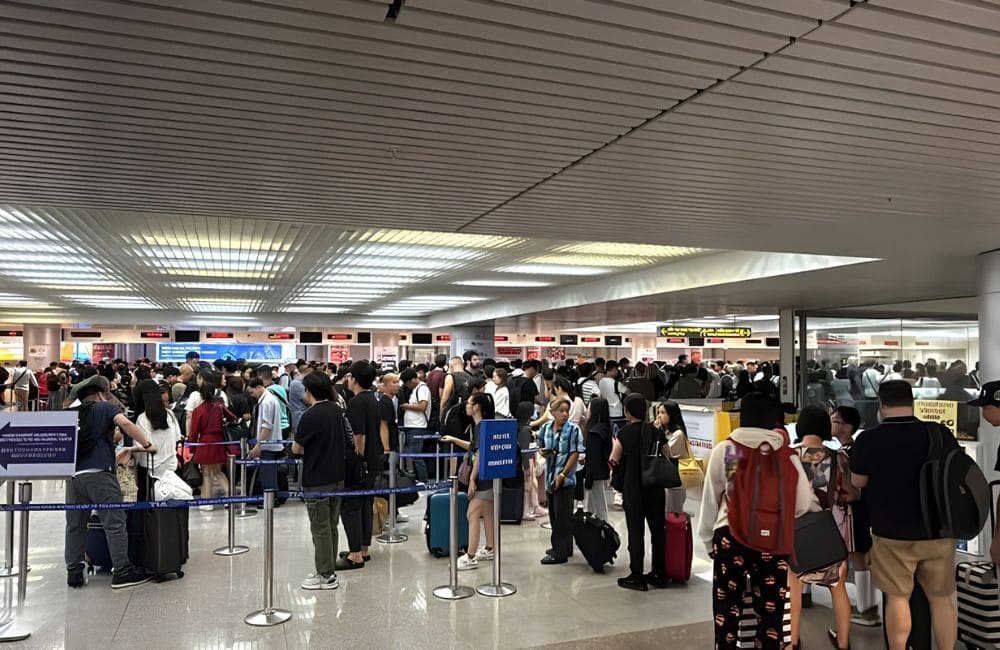
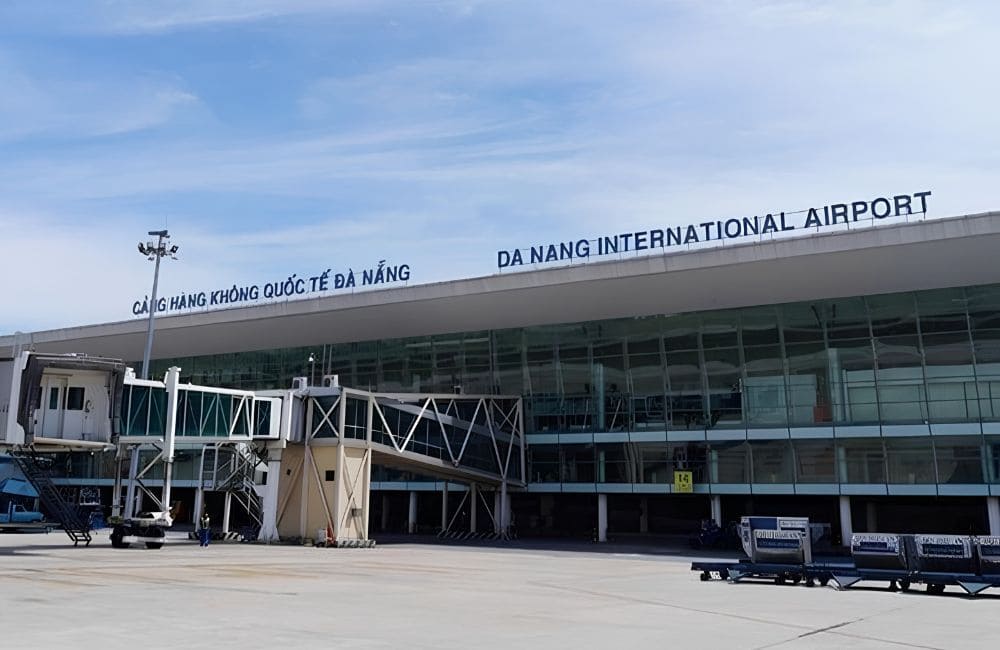
Da Nang's visa counter rarely sees queues that long. Transiting without passing border control needs no visa, but collecting your bags to connect to Hue or Da Lat means clearing the visa desk first. The standard lanes are free and work for most people; if you would rather skip the queue after a long flight from the US, an airport fast track is an option.
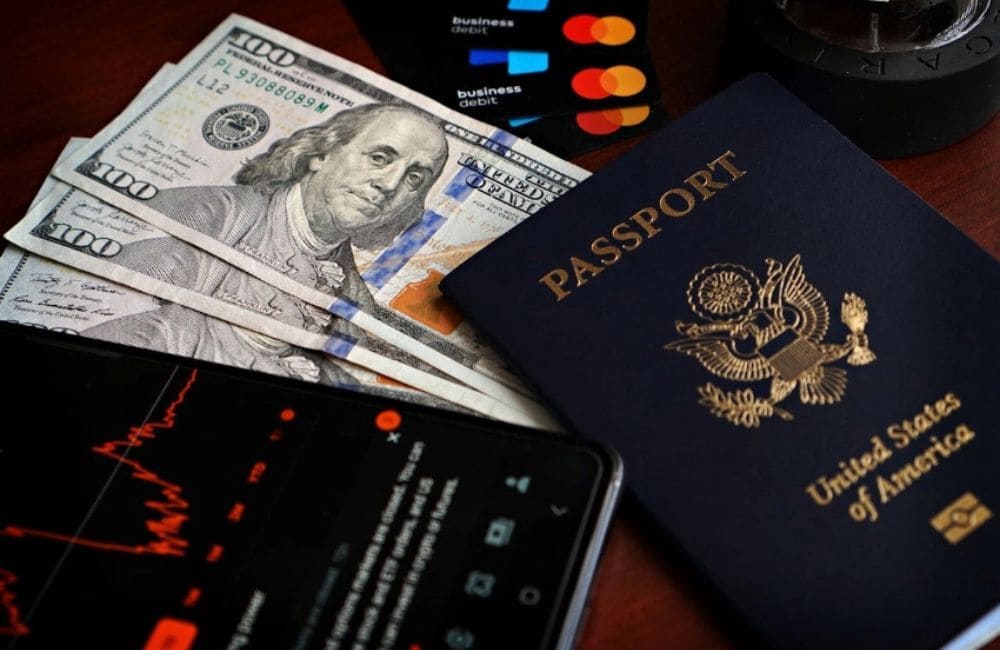
The visa on arrival counter works on cash. The stamping fee is $25 for a single entry or $50 for multiple entries, on top of the agency fee for the letter. Officers reject worn, faded, marked or torn bills, so bring crisp notes from a US bank teller before the trip. Handing over a $100 bill can mean change in Vietnamese dong at a poor rate, which inflates your real cost. Cards are not reliably accepted at the counter.
.jpg)
Overstaying breaks Vietnamese immigration law, and exit gates flag it. Reported fines run from 500,000 to 2 million VND ($19 to $77) for 1 to 15 days and 5 to 10 million VND ($190 to $385) from day 16, with deportation possible. Overstays of 90 days or more can bring up to 40 million VND and a long entry ban.
.jpg)
Do not wait to pay a minor penalty at the departure gate; officers can send you back into the city to settle the case first. The State Department notes that an e-visa cannot be extended while you are in Vietnam, so read our guide to visa extensions and visa runs before your visa expires, and contact a licensed local agency early if you are already past the date.
.jpg)
In Hanoi, the Immigration Department sits at 44-46 Tran Phu Street in Ba Dinh District and closes for lunch around 11:30 AM. Bring your passport, a written explanation of the overstay and cash for the penalty, and dress conservatively.
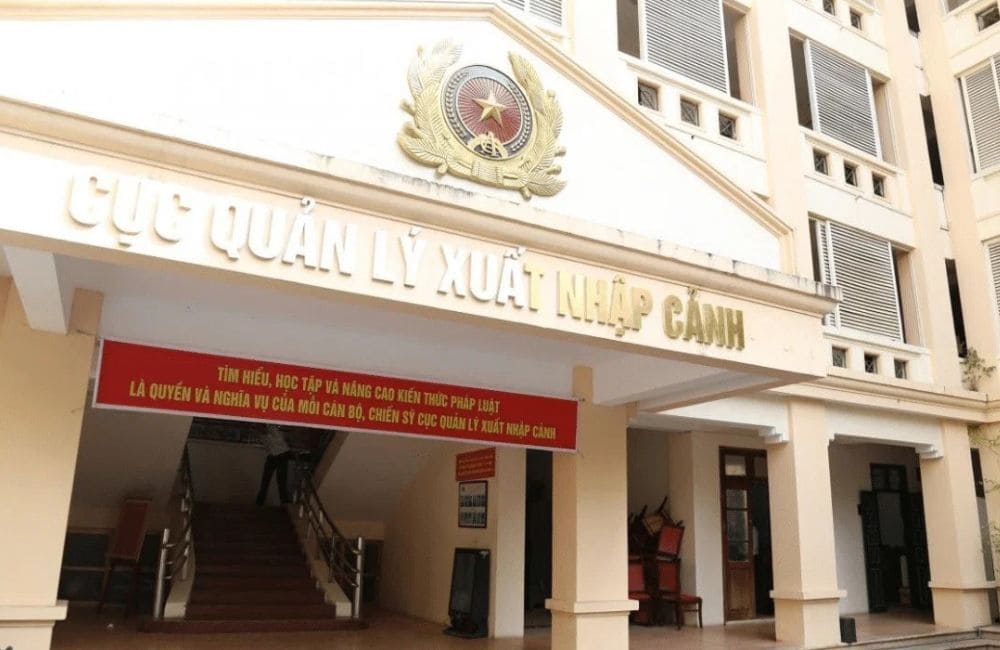
In Ho Chi Minh City, go to the immigration office at 196 Nguyen Thi Minh Khai Street, where lines form before the 7:30 AM opening. You file your documents at one window, receive a penalty notice, pay at a second window in dong (our cash, cards and ATMs in Vietnam guide covers where to withdraw), and return three to five days later for your passport with the exit stamp. Type the exact street address into the Grab app instead of telling a taxi driver "immigration office", who may drop you at a district police station.
.jpg)
.jpg)
The Vietnam visa cost for US citizens on the official e-visa portal is $25 for a single entry and $50 for multiple entries, payable by international credit card. The portal accepts Visa, Mastercard and JCB, and the fee is not refunded if the application is rejected. Visa on arrival adds a cash stamping fee and an agency fee.
US citizens who fly directly into Phu Quoc International Airport from outside Vietnam can stay up to 30 days without a visa. The exemption covers the island only. Connecting through Hanoi or Ho Chi Minh City counts as entering the mainland and needs a visa, and so does flying from Phu Quoc to any mainland city. It cannot be extended.
There is no 5-year tourist visa. The 5-year document is a visa exemption certificate, issued to people of Vietnamese origin who lost Vietnamese nationality and to their spouses and children, usually through an embassy. Most American tourists do not qualify and use the 90-day e-visa instead. Check the certificate's conditions with the embassy before relying on it.
A $25 single-entry visa allows one entry for up to 90 days, and it ends once you leave Vietnam. The $50 multiple-entry visa lets you cross the border repeatedly within the same 90-day window. Choose multiple entry if your itinerary includes side trips to Cambodia or Laos before returning to Hanoi or Ho Chi Minh City.
---Related Articles---
Best visited during dry season (November to April) for ideal weather.
Book accommodations in advance during peak travel season.
Carry local currency (Vietnamese Dong) for markets and small vendors.
Respect local customs and dress modestly when visiting temples.





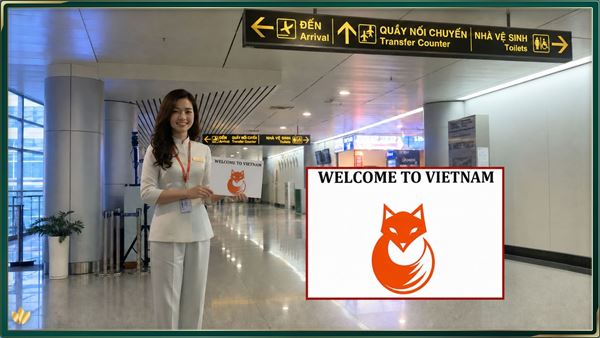
Tan Son Nhat, Ho Chi Minh City
A Sondax host meets your group inside the terminal at Tan Son Nhat and walks you straight to the priority immigration lane.
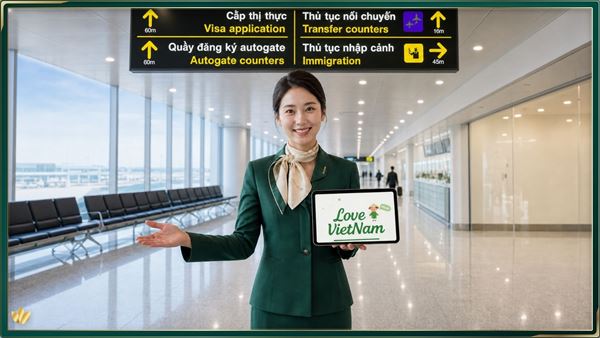
Noi Bai International Airport, Hanoi
A Sondax host meets your group inside Terminal 2 at Noi Bai and walks you past the queue to the priority immigration lane.
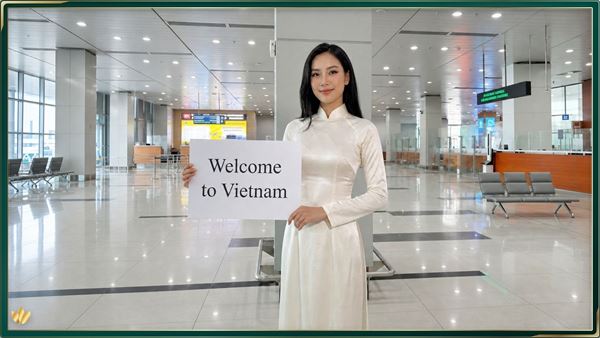
Phu Quoc International Airport, Phu Quoc
A Sondax host meets your group inside Terminal 2 at Phu Quoc and walks you to the priority immigration lane, on arrival or departure.

Da Nang International Airport, Da Nang
A Sondax host meets your group inside the international terminal at Da Nang and walks you to the priority immigration lane.
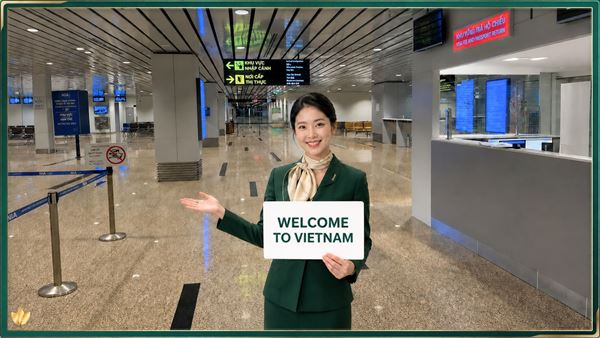
Cam Ranh International Airport, Nha Trang
A Sondax host meets your group inside Terminal 2 at Cam Ranh and takes you to the priority immigration lane, arrival or departure.
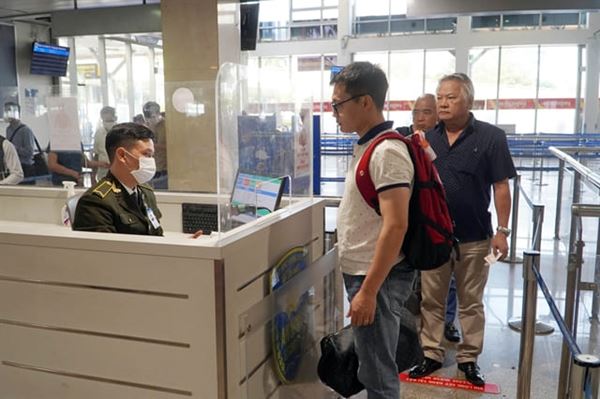
Ho Chi Minh City, Vietnam
Beat the immigration queue at Tan Son Nhat Airport. Our team escorts you through priority lanes, so arrival or departure takes under 30 minutes.
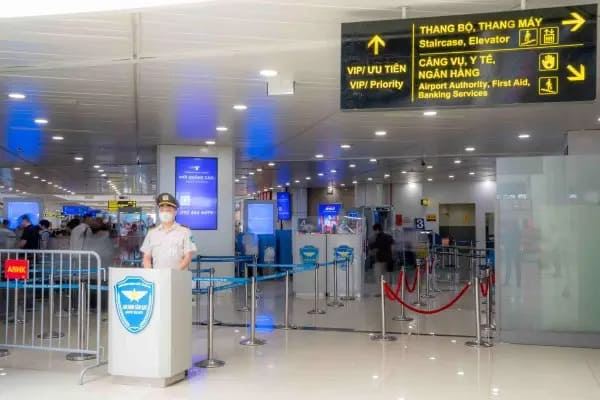
Hanoi, Vietnam
Walk past the immigration queue at Noi Bai Airport. A dedicated Sondax escort guides you through priority lanes — typically done in under 20 minutes.