
Vietnam visa exemption lets citizens of 39 countries enter without a visa for 14 to 90 days, depending on the passport. Twenty-four countries, mostly European plus Japan and South Korea, get 45 days under rules that run into 2028, while Americans, Australians and most other travellers need an e-visa.
The short version
You do not need a visa for Vietnam if your passport is on the exemption list and your stay fits its time limit, from 14 to 90 days. Citizens of the US, Australia, Canada, New Zealand, India and most other countries need an e-visa, unless they visit Phu Quoc island only.
Vietnam's exemptions come in four layers, and the one that applies depends only on your passport, not on where you live. The first is a unilateral 45-day waiver for 24 countries, granted by Government resolutions without asking for the same treatment in return. The second is a set of bilateral agreements, mostly with ASEAN neighbours, that give 14 to 90 days. The third is a 30-day exemption for anyone flying straight to Phu Quoc. The fourth covers individuals rather than countries: the 5-year exemption certificate for people of Vietnamese origin and their families, and a special card for invited experts and investors. If none of these fits, the answer is an e-visa, which every nationality can apply for online.

As of October 2026, 39 nationalities can enter Vietnam visa-free with an ordinary passport. Twenty-four get 45 days, 10 get 30 days, the Philippines gets 21 days, Brunei and Indonesia get 14 days, and Chile and Panama get 90 days. Diplomatic and official passports follow separate agreements.
| Stay | Countries (ordinary passports) | Basis and notes |
|---|---|---|
| 90 days | Chile, Panama | Bilateral; not for paid work |
| 45 days | Denmark, Finland, France, Germany, Italy, Japan, Norway, Russia, South Korea, Spain, Sweden, United Kingdom | Resolution 44/NQ-CP, any purpose, until 14 March 2028 |
| 45 days | Belgium, Bulgaria, Croatia, Czech Republic, Hungary, Luxembourg, Netherlands, Poland, Romania, Slovakia, Slovenia, Switzerland | Resolution 229/NQ-CP, tourism, until 14 August 2028 |
| 30 days | Cambodia, Laos, Malaysia, Myanmar, Singapore, Thailand, Belarus, Kazakhstan, Kyrgyzstan, Mongolia | Bilateral; Belarus capped at 90 days a year, Kazakhstan at 90 days in 180 |
| 21 days | Philippines | Bilateral (ASEAN) |
| 14 days | Brunei, Indonesia | Indonesia cut from 30 days on 15 July 2026, tourism and family visits only |
| 30 days | All nationalities, Phu Quoc only | Direct international arrival, stay on the island |
Sources: Government Resolutions 44/NQ-CP and 229/NQ-CP via Vietnam News Agency and Vietnamese embassy notices; Indonesian Embassy in Hanoi via Tempo (July 2026); bilateral lists published by visa services in 2026. Checked October 2026. Confirm on the official immigration portal before travel.
The 45-day visa exemption group is really two lists. Resolution 44/NQ-CP covers 12 countries for any purpose of visit until 14 March 2028, and replaced an older list that also included Belarus. Resolution 229/NQ-CP added 12 more European countries from 15 August 2025, but frames them under a tourism stimulus programme until 14 August 2028. A Dutch or Swiss traveller on a business trip should check whether an e-visa fits better. Older lists of Vietnam visa waiver countries often still show Belarus at 45 days; it now has a separate 30-day agreement. For British travellers, our guide to UK passport rules for Vietnam covers the details.


Most ASEAN neighbours have mutual agreements. Singapore, Thailand, Malaysia, Cambodia, Laos and Myanmar get 30 days, the Philippines 21, and Brunei 14. Indonesia dropped from 30 to 14 days on 15 July 2026, for tourism and family visits only. Outside ASEAN, Mongolia, Kazakhstan and Kyrgyzstan get 30 days, and Chile and Panama 90. Timor-Leste signed an agreement in June 2026 that was not yet in force in October.


Travellers from the US, Australia, Canada, New Zealand, India, China and every other country not on the list need an e-visa. It allows up to 90 days, costs 25 USD for a single entry or 50 USD for multiple entries, and is applied for online at least a few working days before you fly.
The e-visa is also the better choice for exempt travellers who plan to stay longer than their exemption, or who are visiting for business under the tourism-only resolution. Apply only on the official government portal and check that the name, passport number and entry checkpoint match your passport and flight. Our step-by-step e-visa guide walks through the form, the photo rules and processing times. Australians are one of the largest groups asking whether they need a visa; the short answer is yes, and our page on Vietnam visa rules for Australians covers their case.

Every nationality can stay on Phu Quoc island for up to 30 days without a visa, as long as they arrive directly from abroad at Phu Quoc's international airport or seaport and stay on the island. Leaving Phu Quoc for the mainland requires a visa or e-visa, or a national exemption.
A connection through Ho Chi Minh City or Hanoi can still qualify if you stay in the international transit area and fly straight on to Phu Quoc without clearing immigration. If a delay forces you landside, or your ticket includes a night on the mainland, you need entry permission there. Keep a ticket out of Vietnam within 30 days, since airlines may check it. Plan the island part of the trip with our guide to Phu Quoc's beaches and areas.

The 5-year visa exemption certificate lets people of Vietnamese origin, and the foreign spouses and children of Vietnamese citizens or of overseas Vietnamese, enter visa-free for up to 180 days per entry. It lasts up to five years and must end at least six months before the passport expires.
Applications go to a Vietnamese embassy or consulate abroad, or to the Immigration Department in Vietnam, using form NA9. Applicants usually provide proof of Vietnamese origin, such as an old Vietnamese ID, birth certificate or household registration book, or a marriage or birth certificate linking them to a Vietnamese citizen. The fee is 10 USD under Circular 28/2026/TT-BTC, and the Immigration Department in Vietnam takes about 5 working days; embassies set their own processing times, so check with yours before you apply. The certificate allows multiple entries during its validity.


Since 15 August 2025, Decree 221/2025/ND-CP lets Vietnamese agencies and organisations request a special visa exemption card for invited guests, scholars, experts, investors, business leaders and well-known figures in culture and sport. The card lasts up to five years, allows multiple entries and gives 90 days per entry. You cannot apply for it as a tourist.
Business travellers with an APEC Business Travel Card that lists Vietnam (VNM) on the back can enter without a visa for short business trips of up to 90 days per entry. The card is issued by your home economy, not by Vietnam, and it does not cover tourism or paid work.

To enter visa-free you need a passport valid for at least six months from arrival, proof of onward or return travel, and a purpose that matches your exemption. You must not be on an entry ban list, and at most major airports you now complete a free Digital Arrival Card before landing.
Airlines check these conditions before boarding, using the same Timatic database that immigration rules feed into, so a passport with five months left can stop you at check-in in Sydney or Singapore. Carry a confirmed ticket out of Vietnam; a bus ticket to Cambodia or Laos is usually accepted. The Digital Arrival Card, an online pre-arrival declaration, has been mandatory at Tan Son Nhat since 15 April 2026 and at Phu Quoc since 1 June 2026: file it at prearrival.immigration.gov.vn within 3 days before your flight and show the QR code at immigration. Our guide to the pre-arrival form shows the steps. At the airport desks, the passport with five months left is the problem our team sees most often.

Visa-exempt travellers queue at the regular immigration counters with everyone else, and at peak times the line at Tan Son Nhat or Noi Bai can take an hour. If you land late or have a tight connection, an airport fast track service can take you through a priority lane, though the regular line works if you have time.

You generally cannot extend a visa exemption from inside Vietnam. To stay longer, leave before your exemption ends and re-enter, which since 2023 no longer requires a 30-day gap, or switch to a 90-day e-visa. Overstaying brings fines of at least 500,000 VND and can lead to an entry ban.
| Plan for a long trip | 45-day exemption plus re-entry | 90-day e-visa |
|---|---|---|
| Fee | Free entry each time, plus transport and any visa for the neighbouring country | 25 USD single or 50 USD multiple entry |
| Time | A day or more for each exit and re-entry | Apply online before you fly |
| Risk | Missing the exit date means an overstay fine | One date to track for the whole trip |
| Best for | Trips that already include Cambodia, Laos or Thailand | Stays over 45 days in Vietnam only |
Sources: Government e-visa portal fee schedule, Decree 282/2025 on administrative penalties, visa service guides (2026). Checked October 2026.
Fines under Decree 282/2025, in force since 15 December 2025, start at 500,000 to 2 million VND for overstays of under 16 days and reach 30 to 40 million VND for overstays of a year or more. If you are already in Vietnam and need more time, see our guide to extending a Vietnam visa for the options that exist for visa holders.

No current 45-day exemption expires in 2026 or 2027: Resolution 44 runs to 14 March 2028 and Resolution 229 to 14 August 2028. The changes to watch are new bilateral deals, such as Timor-Leste, the wider rollout of the Digital Arrival Card, and any further cuts like Indonesia's.
| Date | Change | Who it affects |
|---|---|---|
| 30 January 2025 | Belarus moves to a 30-day bilateral exemption | Belarusian passports |
| 15 March 2025 to 14 March 2028 | Resolution 44: 45 days for 12 countries | UK, Germany, France, Italy, Spain, Nordics, Russia, Japan, South Korea |
| 15 August 2025 to 14 August 2028 | Resolution 229: 45 days for 12 more countries; Decree 221 special cards begin | Belgium, Netherlands, Switzerland and others; invited experts and investors |
| 15 December 2025 | Decree 282/2025 raises overstay fines | All foreign visitors |
| 15 April 2026 | Digital Arrival Card mandatory at Tan Son Nhat | All foreign arrivals at that airport |
| 15 July 2026 | Indonesia cut from 30 to 14 days | Indonesian passports |
| Not yet in force | Vietnam and Timor-Leste agreement signed 9 June 2026 | Timorese passports |
Most problems with visa-free entry come from old information and small details: outdated country lists, passports close to expiry, exit dates counted wrongly and assumptions about Phu Quoc. These checks take five minutes and prevent a refused boarding or a fine at departure.

Is Vietnam visa-free for US citizens?
No. US ordinary passport holders are not on any of Vietnam's exemption lists, so they need an e-visa, which allows up to 90 days with single or multiple entry. The only visa-free option is a stay of up to 30 days on Phu Quoc island, arriving directly from abroad.
Is Vietnam visa-free for Singapore citizens?
Yes. Singapore passport holders can stay up to 30 days visa-free under the ASEAN agreement. You need a passport valid for at least six months and proof of onward travel, and the Digital Arrival Card at airports where it applies. For longer stays, apply for an e-visa before you travel.
Can I re-enter Vietnam straight after my 45 days end?
Yes. The old rule requiring 30 days between visa-free entries was removed in July 2020, so you can leave and come back on a new exemption. Immigration officers still decide each entry, and frequent back-to-back stays may draw questions, so an e-visa is safer for long trips.
Does the 45-day exemption cover business trips?
For the 12 countries under Resolution 44, the exemption applies whatever the purpose, though paid work still needs a work permit. For the 12 countries under Resolution 229, it is framed as a tourism programme, so business travellers from those countries should consider an e-visa.



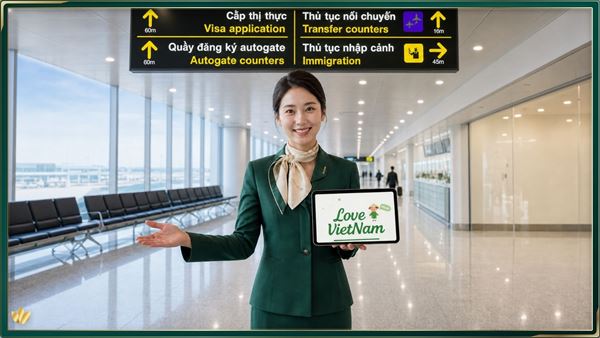
Tan Son Nhat, Ho Chi Minh City
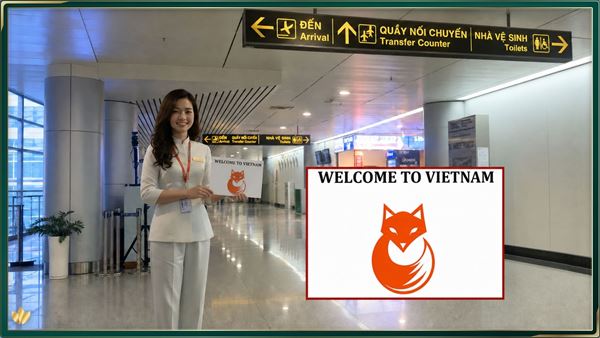
A Sondax host meets your group inside the terminal at Tan Son Nhat and walks you straight to the priority immigration lane.
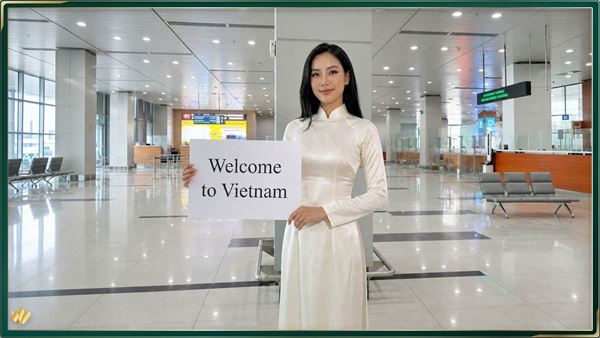
Noi Bai International Airport, Hanoi
A Sondax host meets your group inside Terminal 2 at Noi Bai and walks you past the queue to the priority immigration lane.
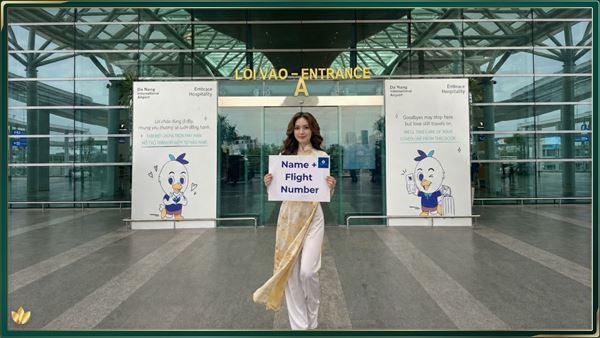
Phu Quoc International Airport, Phu Quoc
A Sondax host meets your group inside Terminal 2 at Phu Quoc and walks you to the priority immigration lane, on arrival or departure.
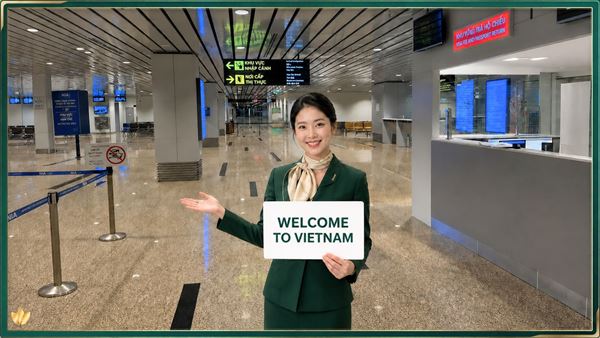
Da Nang International Airport, Da Nang
A Sondax host meets your group inside the international terminal at Da Nang and walks you to the priority immigration lane.
Cam Ranh International Airport, Nha Trang
A Sondax host meets your group inside Terminal 2 at Cam Ranh and takes you to the priority immigration lane, arrival or departure.
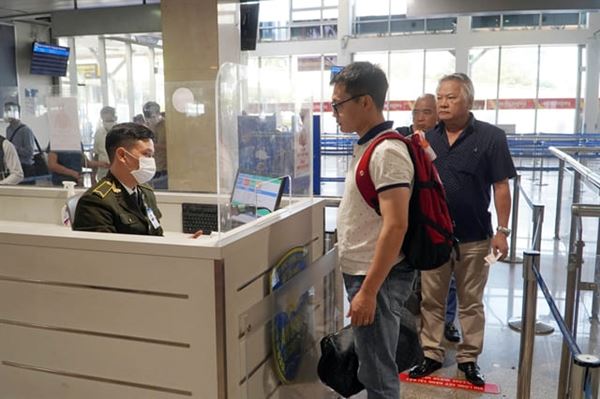
Ho Chi Minh City, Vietnam
Beat the immigration queue at Tan Son Nhat Airport. Our team escorts you through priority lanes, so arrival or departure takes under 30 minutes.
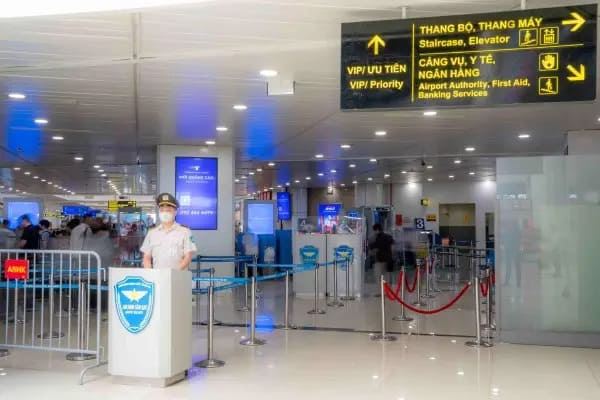
Hanoi, Vietnam
Walk past the immigration queue at Noi Bai Airport. A dedicated Sondax escort guides you through priority lanes — typically done in under 20 minutes.