
A Vietnam visa for Australians is required because Australia is not on the exemption list, and the simplest route is the official e-visa, which costs $25 for a single entry or $50 for multiple entries, covers stays of up to 90 days, and is usually issued within 3 working days of a complete application. This guide covers the three routes, what each costs, the documents you need, and the mistakes that get applications rejected.
The short version
Yes. Australian passport holders need a visa for every trip to Vietnam, tourism included, because Australia is not on Vietnam's visa-exemption list. The UK, France, Japan, Singapore and dozens of other nationalities can enter without one for 14 to 45 days, but Australians must hold an e-visa, an approval letter or an embassy visa before boarding.
Airlines enforce this at check-in. Staff in Sydney or Melbourne check your visa status and will refuse boarding without valid clearance.
The one real exception is family. Foreign spouses and children of Vietnamese citizens can apply for a visa exemption certificate valid for up to five years. It is issued by Vietnamese authorities before you travel, not at the airport.
.jpg)
Australians can enter Vietnam on three tourist visa routes: the e-visa from Vietnam's official portal, a visa on arrival at selected international airports with a pre-approved letter, or a sticker visa from a Vietnamese embassy or consulate. The e-visa fits most trips of up to 90 days; the other two cover narrower situations.
Most Australians never need the embassy route. Vietnam has an embassy in Canberra and a consulate general in Sydney, but both handle your passport and suit long stays better than a two-week holiday. If you hold a second passport, see which passports skip the visa, because the rules follow the passport you travel on, not where you live.
.jpg)
| Route | Cost | Time | Best for |
|---|---|---|---|
| E-visa | $25 single entry, $50 multiple entry (about A$40 and A$80) | About 3 working days | Most tourist trips of up to 90 days, by air, land or sea |
| Visa on arrival | $25 or $50 stamping fee at the airport, plus an agency fee for the approval letter | Letter in about 1 to 3 working days | Flying into an international airport at short notice |
| Embassy or consulate visa | Set by the mission, confirm before applying | Set by the mission | Long or complex stays, or if you want a passport sticker |
Sources: Vietnam Immigration Department e-visa portal (evisa.gov.vn); figures as of October 2026. Agency fees vary by speed, so compare quotes.
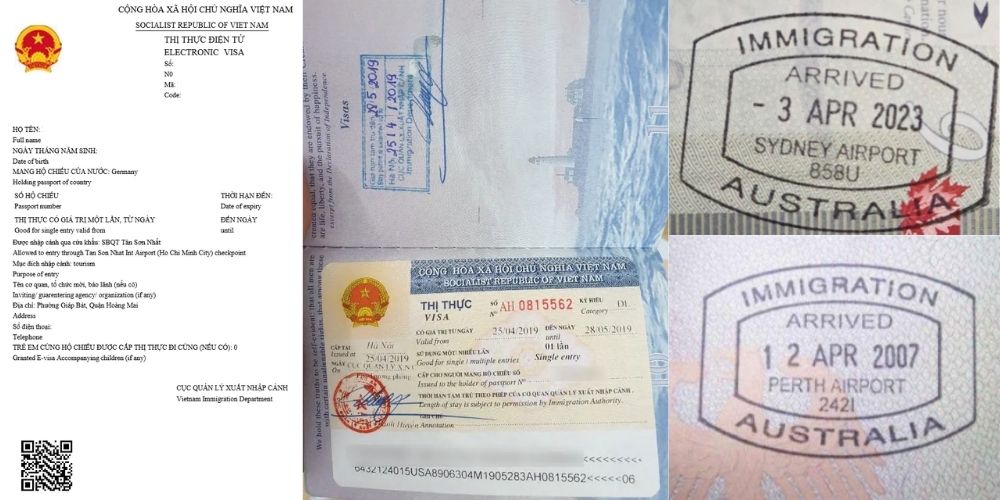
Book a Monday flight on Friday night and the e-visa may not arrive in time, because the portal processes applications on working days only. A visa on arrival is the fallback: an agency obtains the approval letter, and the fee rises the faster you need it. Print the letter, carry two 4x6 cm photos, and pay the stamping fee at the visa counter at Tan Son Nhat before you join the immigration lanes.
.jpg)
Arriving by sea means choosing the exact seaport on your e-visa form, because visa on arrival is not offered at seaports. Pick Hon Gai or Cai Lan for Ha Long Bay, or Chan May for a day trip to Hue. If your ship docks at Chan May and your form says Da Nang, officers can refuse you disembarkation. Ask your cruise line for the registered port of entry before you open the portal.
.jpg)
Crossing from Laos at Lao Bao and later re-entering from Cambodia at Moc Bai counts as two entries. A single-entry e-visa ends the moment you leave Vietnam, so the $50 multiple-entry option is the safe pick for any trip that exits and returns. Without it, you wait for a fresh application, usually 3 working days, on the wrong side of the border.
(1).jpg)
Australians can get an e-visa valid for up to 90 days, with a single entry for $25 or multiple entries for $50. The stay runs inside the validity window printed on the visa, which starts on the entry date you choose on the form. Arrive later than that date and you lose days from the 90, not gain them.
Choose October 1 as your entry date and land on October 5, and you still leave by the same end date, so you get about 86 days, not 90. Entering before the start date is not allowed at all. Check the exit date on your PDF before you book the flight home.
Overstaying is expensive. Reported fines under the current decrees run from 500,000 to 2 million VND ($19 to $77) for 1 to 15 days, and 5 to 10 million VND ($190 to $385) from day 16, with deportation possible and an entry ban in serious cases. Plan your exit date, and read our guide to Vietnam visa extensions and visa runs before assuming you can stay longer.
.jpg)
Australians need a passport valid for at least six months from the planned entry date, a recent 4x6 cm portrait photo on a white background, a clear scan of the passport data page, an email address and a card for the fee. The portal rejects files that are blurry, cropped or larger than 2 MB.
The photo should be taken straight on with no hat or glasses; do not recycle the one from a five-year-old passport. The full process is in our guide to getting a Vietnam e-visa. The scan must show the whole data page including the two machine-readable lines at the bottom, with no glare over your date of birth. The portal reads that text automatically, and anything unreadable goes to manual review or rejection. Keep blank pages in the passport for entry and exit stamps.
.jpg)
Yes, but only by air and only with a pre-approved letter. Australians can get a visa on arrival at Vietnam's international airports, including Hanoi, Ho Chi Minh City, Da Nang and Phu Quoc, after an agency obtains an approval letter before departure. It is not available at land borders or seaports, where you need an e-visa.
Airlines check the letter at check-in in Sydney or Melbourne, so a letter that arrives after your flight is useless. On landing, follow the signs to the visa counters instead of the main immigration lanes, then hand over your passport, the printed letter, the entry form, two photos and the stamping fee. Compare agencies before paying; our Vietnam visa on arrival guide covers how the process works.
Bring clean US dollar notes or Vietnamese dong, because card payment is not reliably accepted at the counters and the ATMs sit past immigration. For a quick refresher on cash, cards and ATMs in Vietnam, read that guide before you fly.
.jpg)
A Vietnam e-visa for Australians is normally issued within 3 working days of a complete application. Working days run Monday to Friday in Vietnam time (GMT+7), so an application sent on Friday evening from Melbourne is not looked at until Monday. Apply at least 14 days before you fly to leave room for corrections.
Public holidays stretch the queue. National Day on September 2, the April 30 and May 1 holidays, and the Tet new year break of about a week close government offices, and applications wait. A rejected application means a new submission and a new fee, which is why the 14-day buffer matters. Track the status with the registration code on the portal's search page.
.jpg)
Once the visa is sorted, the last queue is immigration itself. The hall at Noi Bai and Tan Son Nhat can be slow after a long flight from Sydney or Melbourne. The standard lanes are free and work for most people. If you would rather have someone meet you and walk you through, an airport fast track at Hanoi or Ho Chi Minh City is an option.
Apply for the Vietnam e-visa for Australians only on Vietnam's official government portal, evisa.gov.vn, where the fee is $25 for a single entry or $50 for multiple entries. Search results often show paid agencies first, and they add a service fee on top of the same government fee. The form is short once your photo and passport scan are ready.
.jpg)
Use a recent 4x6 cm photo in JPG format under 2 MB, with a white background, a straight face and no hat or glasses. The system flags shadows across the face from hats or thick hair.
📌 Insider note:
Look at the bottom two lines of your passport data page. If your middle name appears there, it must appear on your application. Truncating "John William Smith" to "John Smith" can mean a rejection, a new $25 fee and three more working days, even if your flight leaves in 24 hours.
.jpg)
Selecting the wrong gate is the most frequent mistake. If you choose Noi Bai in Hanoi and then find a cheaper flight into Da Nang, you can be refused at the desk, and the fix is usually a new application. The second trap is reversing names: the portal asks separately for given name and surname, so read both fields twice. The third is typing the passport issue date where the expiry date belongs, which the automated check flags as a mismatch.
Our Hanoi team sees the same two slips again and again: a missing middle name and an entry gate that does not match the flight. Check both before you pay.
.jpg)
The official Vietnam e-visa costs $25 for a single entry and $50 for multiple entries, roughly A$40 and A$80 at recent exchange rates. The government fee is the same on evisa.gov.vn for every nationality. Agencies and visa on arrival letters add their own service charge, and the fee is not refunded if the application is rejected.
Vietnam's embassy is in Canberra and its consulate general is in Sydney (Edgecliff). You do not need either for a standard tourist trip, because the e-visa is applied for online. Use them for long stays or complex cases, and confirm opening hours and fees on their websites before you go.
If you stay in the international transit area and continue on a connecting flight, you generally do not need a visa. If you leave the airport, even for a few hours, you need one. Check your airline's rules for self-transfers, because separate tickets usually mean collecting bags and clearing immigration.
The fee is not refunded, so you submit a brand new application with the errors fixed, such as a missing middle name or a poor photo. Offices close during holidays like Tet, so aim for accuracy on the first attempt and apply at least 14 days ahead to protect your itinerary.
.jpg)
---Related Articles---
Best visited during dry season (November to April) for ideal weather.
Book accommodations in advance during peak travel season.
Carry local currency (Vietnamese Dong) for markets and small vendors.
Respect local customs and dress modestly when visiting temples.


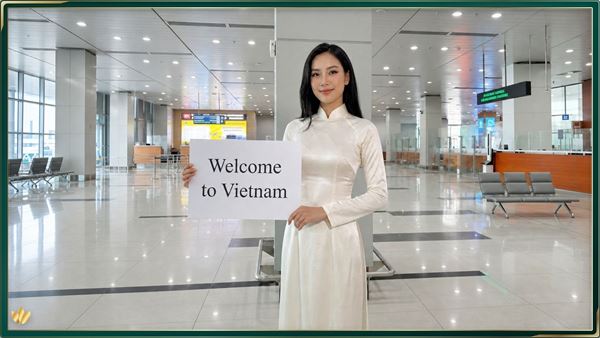
Phu Quoc International Airport, Phu Quoc
A Sondax host meets your group inside Terminal 2 at Phu Quoc and walks you to the priority immigration lane, on arrival or departure.
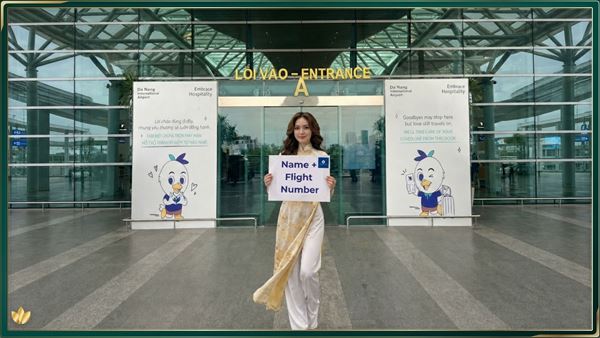
Da Nang International Airport, Da Nang
A Sondax host meets your group inside the international terminal at Da Nang and walks you to the priority immigration lane.
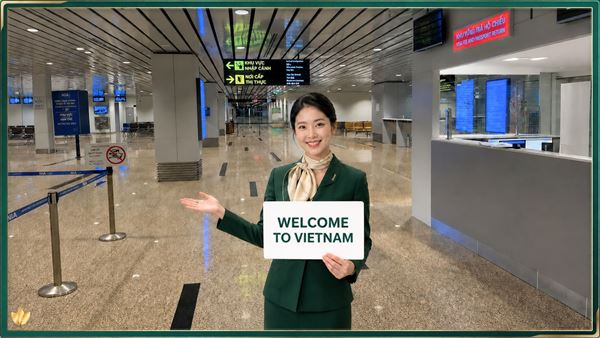
Cam Ranh International Airport, Nha Trang
A Sondax host meets your group inside Terminal 2 at Cam Ranh and takes you to the priority immigration lane, arrival or departure.
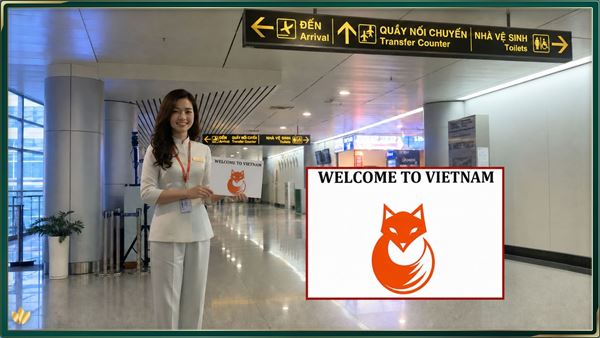
Tan Son Nhat, Ho Chi Minh City
A Sondax host meets your group inside the terminal at Tan Son Nhat and walks you straight to the priority immigration lane.
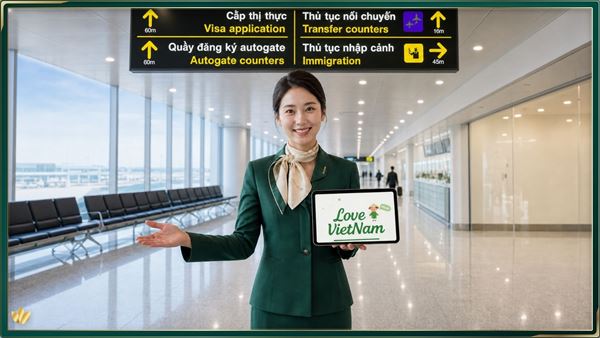
Noi Bai International Airport, Hanoi
A Sondax host meets your group inside Terminal 2 at Noi Bai and walks you past the queue to the priority immigration lane.