
A Vietnam visa for Canadians is required for nearly every trip because Canada is not on Vietnam's exemption list, and the simplest route is the official e-visa, which costs $25 for a single entry or $50 for multiple entries, is valid for up to 90 days, and is usually issued within 3 working days of a complete application. This guide covers the fees, the documents, the visa on arrival, and the rules that catch Canadians out, from name matching to exit bans.
The short version
Yes. Canadian citizens need a visa for tourism, business or study, because Canada is not on Vietnam's visa-exemption list. The one exception is Phu Quoc Island, where you can stay 30 days without a visa if you fly in directly from abroad and stay on the island. Anywhere else, you must be approved before you board.
The Phu Quoc rule is narrow. A short domestic hop from Phu Quoc to Ho Chi Minh City or Da Nang means you need a standard visa before boarding, and connecting through the mainland on the way in counts as entering the mainland. Airlines at Toronto and Vancouver check this before issuing a boarding pass.
The Government of Canada's travel advice sets the rules that matter: a passport valid at least 6 months beyond the date you expect to leave Vietnam, and application details that match your passport exactly, including name order and date of birth. Errors can mean denied boarding or refused entry. A Vietnamese visa in an expired passport is invalid, so a renewed passport needs a new visa. Airlines may apply stricter validity rules, so check with yours.
The official fee for a Vietnam e-visa is $25 for a single entry and $50 for multiple entries, roughly C$35 and C$70 at recent exchange rates. Both are valid for up to 90 days, and neither is refunded if the application is rejected. Your card issuer may add a foreign transaction fee on top of the government fee.
Only the official government portal charges that rate. Lookalike sites and agencies charge a service fee on the same document, reportedly $75 to $150 in total, so check that the address ends in .gov.vn and that the fee shown at checkout is $25 or $50 before you enter card details.
.jpg)
A Vietnam e-visa for Canadians is normally issued within 3 working days of a complete application, counted Monday to Friday in Vietnam time (GMT+7). Apply at least 14 days before you fly, because holidays and corrections extend the wait. A flagged photo restarts the clock.
Public holidays stop processing. Around Tet, the Lunar New Year in late January or February, offices close for about a week. Applications sent on a Friday evening in Toronto or Vancouver are already into the weekend in Hanoi, so they are not looked at until Monday. The full process is in our guide to getting a Vietnam e-visa.
.jpg)
Canadians need a clear scan of the passport bio page, a digital portrait photo, a valid credit or debit card and an intended temporary address in Vietnam. The portal reads these files automatically, and a scan with glare, a file over 2 MB or a photo with shadows across the face triggers an automatic rejection.
The passport scan must be a JPEG under 2 MB and should show at least 2 blank pages. The portrait is 4x6 cm against a plain white background, facing front, with no smile and no glasses. For the address, give the street address and name of your first hotel or hostel. The government does not ask for flight tickets, though airlines often ask for proof of onward travel before checking your bags. Our Hanoi team always tells Canadian guests to print the e-visa too, since a dead phone battery at the check-in desk is not a document.
.jpg)
Yes, but only by air, and it is not a true on-arrival system. Canadians need a pre-approval letter from an authorized agency before departure, then show it at the visa counter of an international airport such as Noi Bai or Tan Son Nhat. It is mainly an emergency route when the e-visa will not arrive in time.
At the airport, join the separate visa counter before the immigration lanes. You hand over the approval letter, two passport photos and a stamping fee of $25 for a single entry or $50 for multiple entries, then wait for your name to be called. Bring crisp US dollars, because officers can refuse torn bills and cash in Canadian dollars, and cards are not reliably accepted.
Queues can build in the afternoon, so allow a long buffer for onward transport. If you land at Tan Son Nhat and would rather skip the lines, a fast track at Tan Son Nhat is an option, though the standard lanes are free. For the full process, read our Vietnam visa on arrival guide.
.jpg)
Most Canadians should choose the e-visa: the single-entry version at $25 for one trip, or the multiple-entry version at $50 for trips that leave and re-enter Vietnam. The Government of Canada notes that stays longer than 90 days need a visa from a Vietnamese embassy before departure.
| Route | Cost | Time | Best for |
|---|---|---|---|
| E-visa, single entry | $25 | About 3 working days | One trip of up to 90 days |
| E-visa, multiple entry | $50 | About 3 working days | Trips with side journeys to Cambodia or Laos |
| Visa on arrival | $25 or $50 stamping fee in cash, plus an agency fee for the letter | Letter in about 1 to 3 working days | Short-notice flights into an international airport |
| Embassy or consulate visa | Set by the mission, confirm before applying | Confirm with the mission | Stays beyond 90 days |
Sources: Government of Canada travel advice for Vietnam; Vietnam Immigration Department (evisa.gov.vn); figures as of October 2026.
The Embassy of Vietnam in Canada is at 55 MacKay Street in Ottawa, and Vietnam also has a consulate general in Vancouver. Confirm hours, fees and jurisdiction on their websites before you go.
.jpg)
The e-visa locks your entry point to the gate you choose on the application, and the Government of Canada notes that it allows entry only through the port of entry listed in the approval notice. That matters most for three kinds of trip: cruises, overland crossings and travelers who also hold Vietnamese citizenship.
.jpg)
If you enter from Cambodia, Laos or China, check that your specific land gate accepts e-visas. If you pick Moc Bai to enter from Cambodia by bus and later cross at Xa Mat instead, border guards can refuse you, so confirm your bus operator's exact route before you submit the application. The portal lists dozens of gates (83 in total at last count).
(1).jpg)
📌 Insider note:
Vietnam does not legally recognize dual citizenship. The Government of Canada warns that if authorities consider you a Vietnamese citizen, they may deny you Canadian consular services, and Canadians with Vietnamese citizenship may be subject to mandatory military service. Confirm your status with the embassy before you travel.
Canadian spouses and children of Vietnamese citizens may qualify for a visa exemption certificate through the embassy in Ottawa instead of a visa.
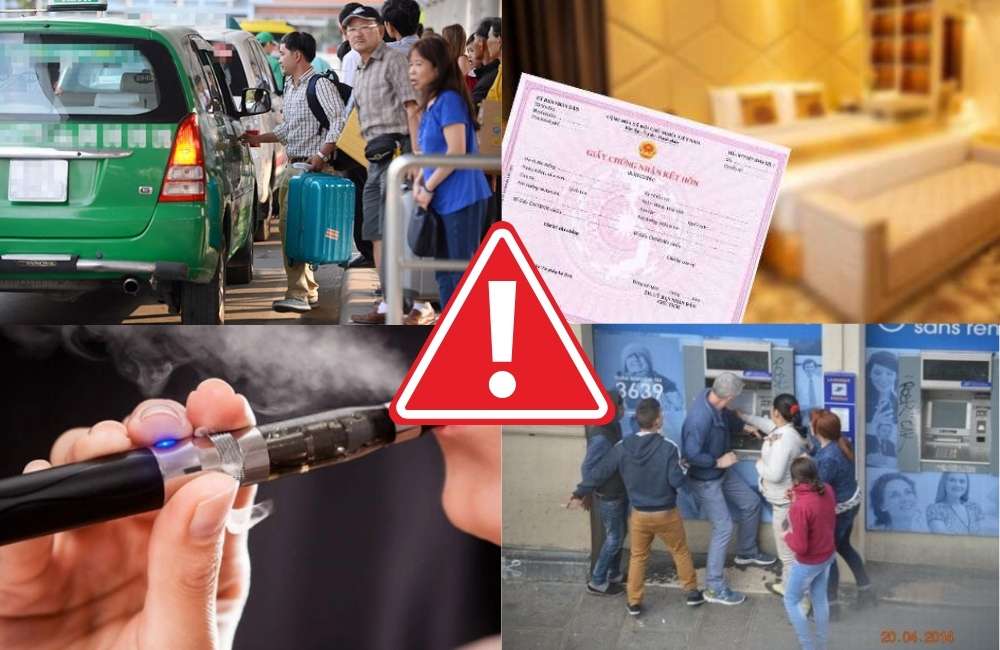
Foreigners must be registered with local police, overstays carry fines, and exit bans can stop you leaving. Hotels usually register you automatically, while a private rental or friend's home means you or your host visit the nearest police station. Overstay fines run from 500,000 VND ($19) up to 40 million VND, and some cases can lead to deportation.
Commercial hotels upload your passport details to the police system at check-in, often within hours. In a private Airbnb or with friends, ask your host to confirm the registration was filed, or go to the nearest police station yourself. Staff may hold your passport for registration, but the Canadian advice notes there is no legal reason for it, so ask for it back once the process is complete.
(1).jpg)
Reported fines run from 500,000 to 2 million VND ($19 to $77) for 1 to 15 days and 5 to 10 million VND ($190 to $385) from day 16, with deportation possible. Overstays of 90 days or more can bring up to 40 million VND and a long entry ban. Canada's advice adds that you may be delayed from onward travel until a fine is paid. Settle it with a local immigration office, not at the departure gate, and have cash in dong ready; our guide to cash, cards and ATMs in Vietnam explains where to withdraw.
Authorities can impose exit bans linked to investigations, debts or traffic accidents, and you may not learn of one until you try to leave. Your passport may be held until the case is resolved. If you are barred from leaving, consult a lawyer and contact the nearest Government of Canada office. Electronic cigarettes and vaporizers are also banned, so leave them at home.
Check that the address ends in .gov.vn and that the fee at checkout is $25 for a single entry or $50 for multiple entries. Lookalike sites often end in .com or .org and add a service charge on the same document. The US State Department points travelers to evisa.gov.vn, and the Canadian advice also directs you to the official portal.
Airlines in Vancouver or Toronto will normally refuse boarding without a valid visa or approval letter. If you reach Vietnam anyway, for example on a connecting itinerary, officers can refuse entry and return you on the next available flight, usually at your own cost. The Government of Canada cannot intervene if you do not meet Vietnam's entry requirements.
The Embassy of Vietnam in Canada is at 55 MacKay Street in Ottawa, and Vietnam also has a consulate general in Vancouver. You do not need either for a standard tourist trip, because the e-visa is applied for online. Use them for stays beyond 90 days or an exemption certificate, and confirm fees and opening hours first.
The e-visa is applied for online, costs $25 or $50, and covers stays of up to 90 days. An embassy visa means submitting your passport and paperwork to the Embassy in Ottawa or the consulate in Vancouver, and it is the route the Government of Canada points to for stays longer than 90 days. Fees for embassy visas are set by the mission.
Canadian spouses and children of Vietnamese citizens may be eligible for a visa exemption certificate, issued through the Embassy of Vietnam in Canada, instead of a standard visa. It is a certificate, not a tourist visa, and it must be arranged before you travel. Contact the embassy to confirm the documents and current processing time.
.jpg)
---Related Articles---
Best visited during dry season (November to April) for ideal weather.
Book accommodations in advance during peak travel season.
Carry local currency (Vietnamese Dong) for markets and small vendors.
Respect local customs and dress modestly when visiting temples.




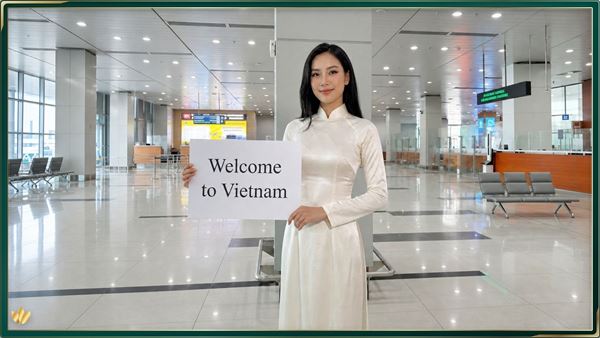
Phu Quoc International Airport, Phu Quoc
A Sondax host meets your group inside Terminal 2 at Phu Quoc and walks you to the priority immigration lane, on arrival or departure.
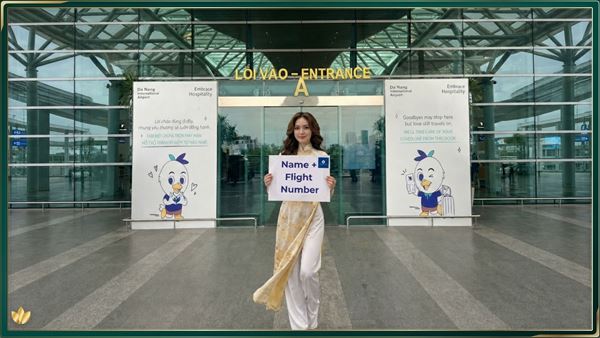
Da Nang International Airport, Da Nang
A Sondax host meets your group inside the international terminal at Da Nang and walks you to the priority immigration lane.
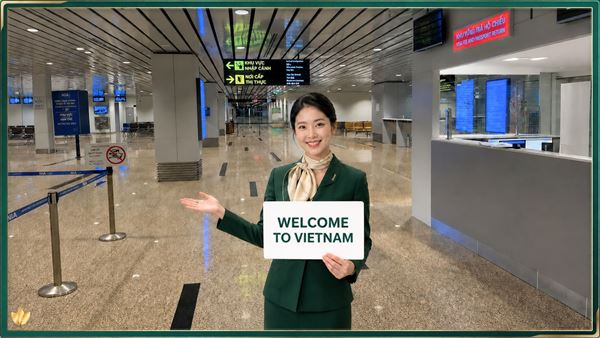
Cam Ranh International Airport, Nha Trang
A Sondax host meets your group inside Terminal 2 at Cam Ranh and takes you to the priority immigration lane, arrival or departure.
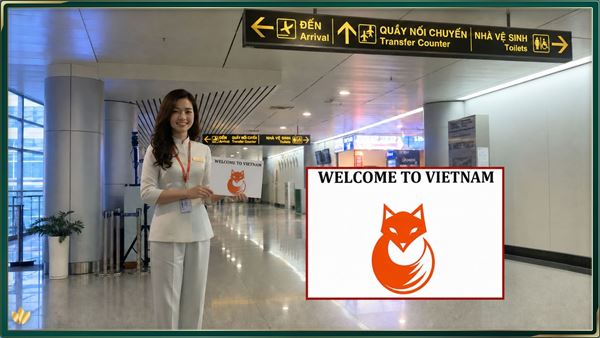
Tan Son Nhat, Ho Chi Minh City
A Sondax host meets your group inside the terminal at Tan Son Nhat and walks you straight to the priority immigration lane.
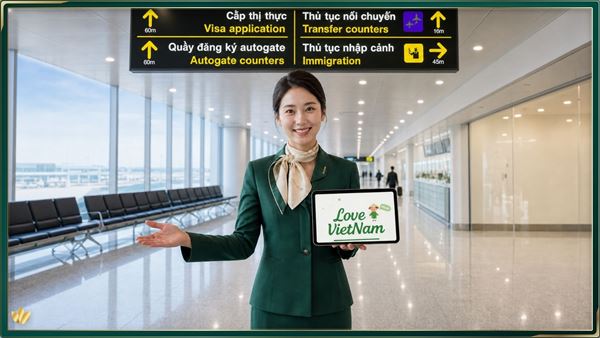
Noi Bai International Airport, Hanoi
A Sondax host meets your group inside Terminal 2 at Noi Bai and walks you past the queue to the priority immigration lane.