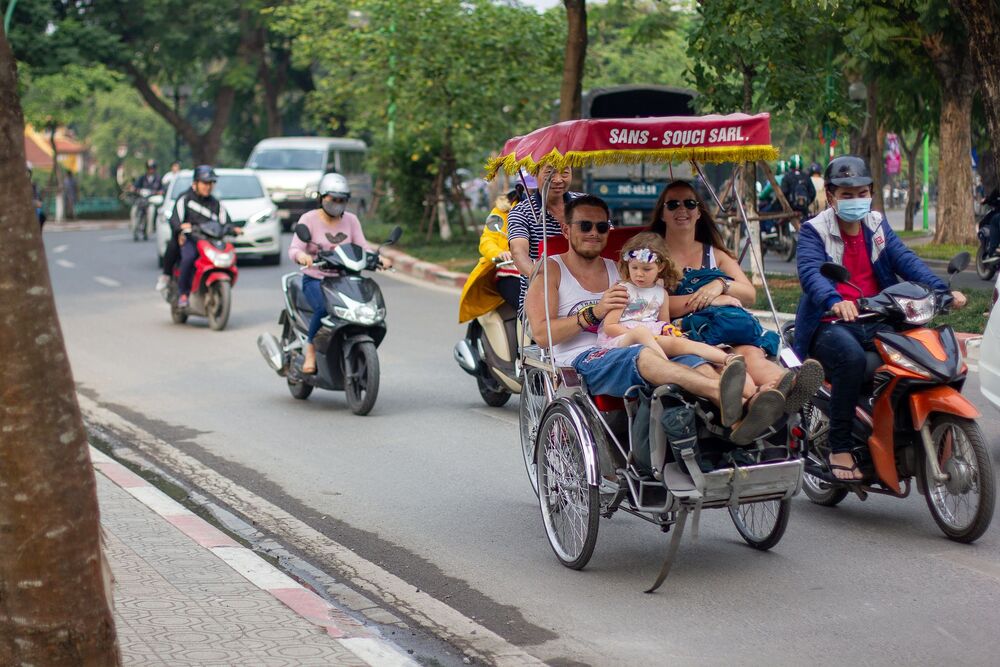

Basic Vietnamese phrases that get you through greetings, bargaining, ordering food, and asking for help, with pronunciation and the North-South differences.
Basic Vietnamese phrases that actually get used on a trip cover five situations: greeting someone, paying for things, ordering food, asking for directions or help, and understanding why the same word sounds different in Hanoi and Saigon. You don't need fluency, just the right dozen or so lines. This list of common Vietnamese phrases for travelers skips the textbook grammar and sticks to what you'll actually say at a market stall, a bus counter, or a pho restaurant.
Knowing how to say thank you in Vietnamese and greet someone politely covers most daily interactions, from hotel staff to street vendors. Xin chào (sin chow) means hello, Cảm ơn (gam un) means thank you, and Xin lỗi (sin loy) covers both sorry and excuse me.
Two more worth adding before you land: Làm ơn (lam un) for please, and Không có gì (khom co yi) for you're welcome or no problem. Together with the seven in the table below, that's a complete kit for walking into any shop, restaurant, or hotel lobby without feeling lost.
| Phrase | Pronunciation | Meaning |
|---|---|---|
| Xin chào | sin chow | Hello |
| Cảm ơn | gam un | Thank you |
| Xin lỗi | sin loy | Sorry / excuse me |
| Dạ (south) / Vâng (north) | ya / vung | Yes, polite |
| Không | khom | No |
| Tạm biệt | tam biet | Goodbye |
| Không sao | khom sao | No worries, it's fine |
Sources: thesmartlocal.com and vietnamtourism.com (checked October 2026); pronunciation simplified for English speakers, not formal IPA.

Vietnamese numbers 1 to 10 matter more than almost any other phrase, since every price negotiation starts with hearing or saying a number. Một, hai, ba, bốn, năm (1 to 5) and sáu, bảy, tám, chín, mười (6 to 10) are worth memorizing before you hit a market.
| Number | Vietnamese | Pronunciation |
|---|---|---|
| 1 | Một | mout |
| 2 | Hai | hai |
| 3 | Ba | ba |
| 4 | Bốn | bone |
| 5 | Năm | num |
| 6 | Sáu | sow |
| 7 | Bảy | bay |
| 8 | Tám | tam |
| 9 | Chín | chin |
| 10 | Mười | moo-oi |
Once you're past ten, prices get easier to handle with a short list of Vietnamese phrases for bargaining: Bao nhiêu tiền? (how much), Đắt quá (too expensive), and Bớt chút được không? (can you give me a discount?) cover most street-market haggling. Most small vendors and taxis only take cash, so our guide to Vietnamese currency is worth a look before you need small notes for exactly this. If a shop does take cards, Tôi muốn cà thẻ (I'd like to pay by card) gets the point across; at a street stall, Tôi không mang tiền mặt (I don't have cash) explains why you're asking for a different option.
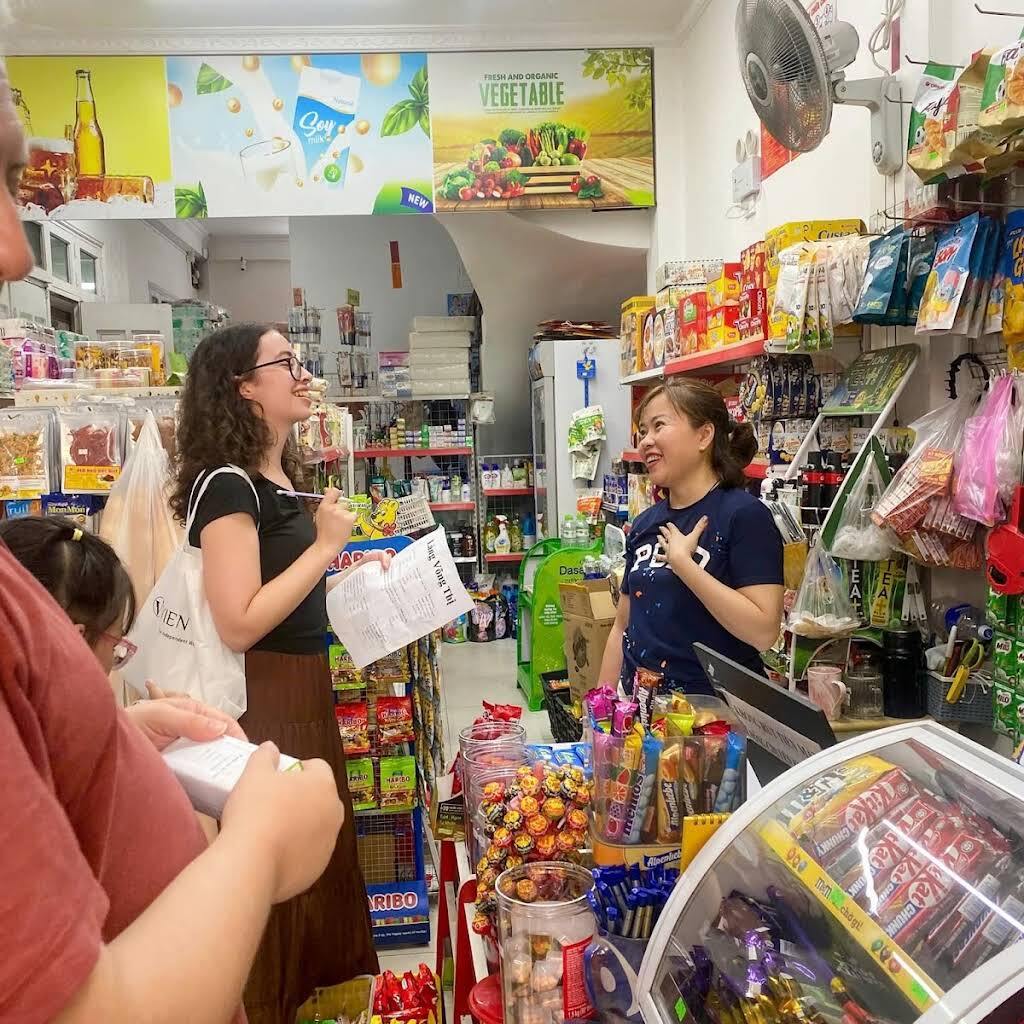
Food is where most travelers use Vietnamese the most, since menus are often Vietnamese-only outside tourist streets. Cho tôi một... (give me one...) works for almost any order, Không cay means not spicy, and Tính tiền is how you ask for the bill.
Add Không đường for no sugar in your iced coffee, Ngon lắm to tell the cook it was delicious, and Cảm ơn nhiều for a more emphatic thank you. None of these need a link, they're just useful to have memorized before the food arrives.
At a sit-down restaurant without an English menu, Cho tôi xem thực đơn (show me the menu) is a reasonable opener, though plenty of street stalls skip menus entirely and just point at what's cooking. If you're not sure what something is, Đây là gì? (what is this?) works fine paired with pointing, and most vendors will happily answer with gestures if the word doesn't land.
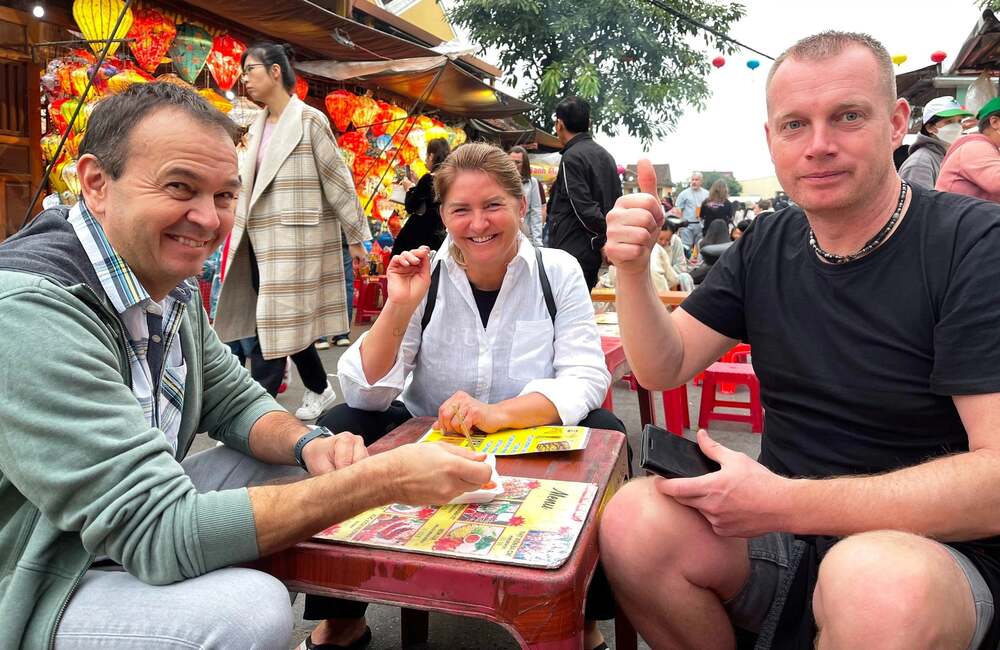
Cho tôi đến... (take me to...) and Dừng ở đây (stop here) cover most taxi and Grab rides, while Bao lâu? (how long?) helps you gauge an unfamiliar trip. For anything urgent, Giúp tôi với! (help me!) and Tôi cần bác sĩ (I need a doctor) are worth memorizing before you need them.
If negotiating a taxi fare in a second language sounds like more hassle than it's worth, a fixed-price private transfer skips that conversation entirely, since the price is set before the driver even arrives. If you lose something along the way, Tôi bị mất hộ chiếu (I lost my passport) and Tôi bị mất điện thoại (I lost my phone) are the two most useful versions of that phrase.
Vietnamese pronunciation for beginners gets confusing fast because the same word changes between regions: Northern speakers pronounce "d" and "r" closer to a "z" sound, while Southern speakers soften word endings and flatten some tones. Neither is wrong, and most Vietnamese people are used to foreigners mixing the two.
Dạ is the more common polite "yes" in the south, while Vâng is more standard in the north, and both are fine almost anywhere. Our Hanoi team's honest take: don't stress about matching anyone's tone exactly, since context does most of the work; a wrong tone on "cảm ơn" at a cash register is never going to be mistaken for something else. For the honorifics that go with these phrases, like addressing someone as Anh or Chị, our guide to Vietnamese etiquette covers how that actually works in conversation. And if you want a fuller first-timer checklist beyond language, our Vietnam travel tips hub rounds up the rest.
One small word that works everywhere regardless of region: "Ơi" (oy), added after someone's name or title to get their attention, the way you'd say "excuse me" before asking a waiter for the bill. It sounds blunt in English but is completely normal in Vietnamese, and skipping it can actually make you harder to flag down.

Do I need to learn Vietnamese tones to be understood?
Not strictly, since locals used to tourists will usually get the gist from context, but tones matter most on short, single-syllable words. Getting "cảm ơn" slightly wrong is harmless; a short word like "không" said with the wrong tone is more likely to cause confusion.
Is "Dạ" or "Vâng" more polite?
Both are polite ways to say yes. Dạ is more common in southern Vietnam and Vâng in the north, and switching between them based on where you are is a small but appreciated detail.
What's the single most useful Vietnamese phrase to know?
Cảm ơn (thank you) covers the most ground, followed closely by Xin lỗi, which works for both apologizing and politely getting someone's attention.
Is English widely understood in Vietnam?
In hotels, airports, and tourist areas, yes; in local markets, small restaurants, and rural areas, often not, which is exactly where these basic Vietnamese phrases for travelers are most useful.
What if I can't pronounce a word right?
Pointing, using a translation app as backup, or writing the phrase down all work fine. Most Vietnamese speakers in tourist areas are used to approximations and will meet you halfway.
Should I learn phrases from an app before I arrive?
It helps, but a printed or saved cheat sheet of the dozen phrases on this page covers more real situations than most app lesson plans, which tend to front-load grammar you won't use in a one or two week trip.
Our VIP fast track at Vietnamese airports gets you through immigration without needing to ask anyone anything in Vietnamese at all, useful if you land exhausted and want the language practice to start later.








Phu Quoc International Airport, Phu Quoc
A Sondax host meets your group inside Terminal 2 at Phu Quoc and walks you to the priority immigration lane, on arrival or departure.
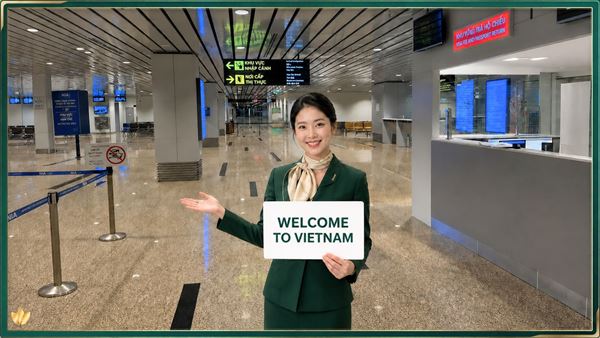
Cam Ranh International Airport, Nha Trang
A Sondax host meets your group inside Terminal 2 at Cam Ranh and takes you to the priority immigration lane, arrival or departure.
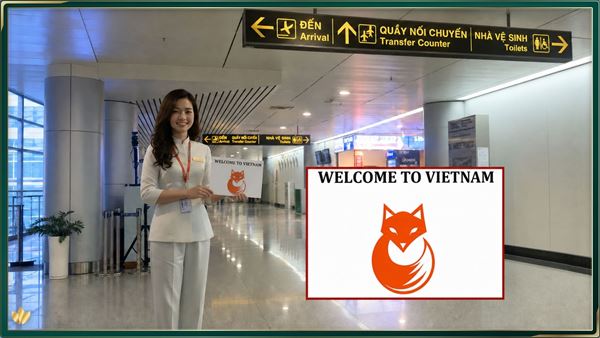
Tan Son Nhat, Ho Chi Minh City
A Sondax host meets your group inside the terminal at Tan Son Nhat and walks you straight to the priority immigration lane.
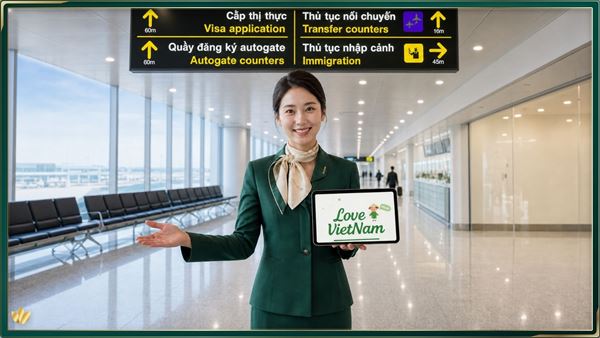
Noi Bai International Airport, Hanoi
A Sondax host meets your group inside Terminal 2 at Noi Bai and walks you past the queue to the priority immigration lane.

Da Nang International Airport, Da Nang
A Sondax host meets your group inside the international terminal at Da Nang and walks you to the priority immigration lane.