Flooding in Vietnam peaks from September to December in the center and north, and August to November in the Mekong Delta. Here is what it means for your trip.
Flooding in Vietnam is not one event but three different ones: seasonal river flooding that farmers plan around in the Mekong Delta, flash floods and landslides that hit central Vietnam and the northern mountains from September to December, and urban flooding that backs up streets in Ho Chi Minh City on almost any heavy rain day. Which one matters for your trip depends entirely on where and when you are going.
The short version
Searches for Vietnam flood season usually mean one of three very different situations: a river rising gradually over days in the Mekong Delta, a flash flood within hours in a mountain valley or central Vietnamese city, or water pooling in city streets because drainage cannot keep up. Only the second type regularly closes roads or threatens safety.
Flooding follows the rain, but the two are not the same thing: the wet season can bring weeks of rain with no flooding at all, or a single storm can flood a province that had been dry for days. This page is about the second part, when rain turns into standing water, closed roads or a cancelled tour.
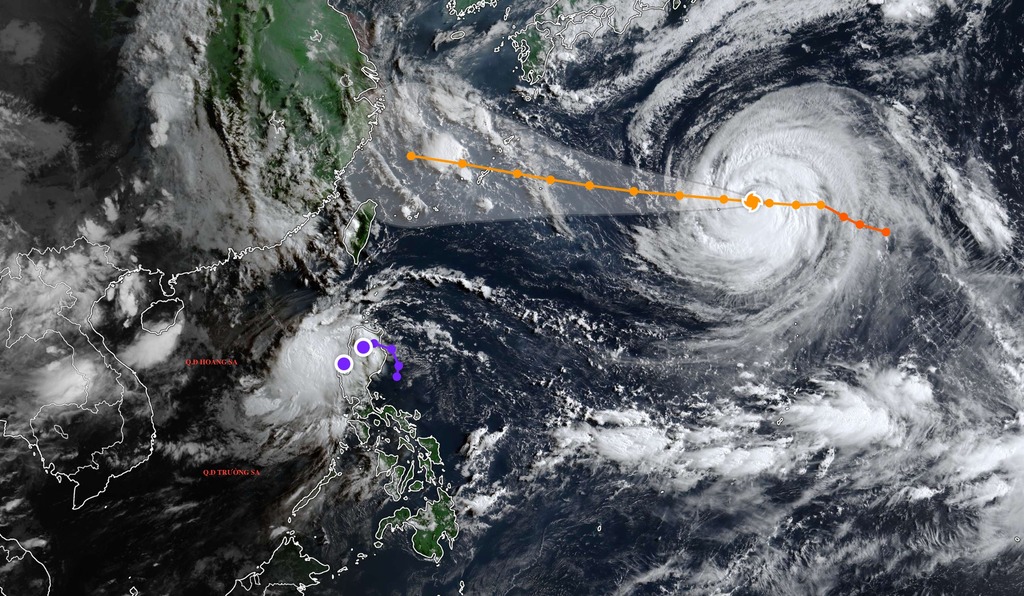
Central Vietnam floods are the highest-risk type for travellers, striking Hue, Da Nang, Hoi An and the surrounding provinces hardest between late September and early December, the same stretch that overlaps with Vietnam typhoon season. Steep, short rivers running off the Truong Son mountains mean a storm upstream can flood a city street within hours, not days.
The most recent example: on 8 and 9 October 2026, Hue received more than 800mm of rain in three days and Da Nang saw streets under more than a meter of water, with close to 130 troops mobilised for rescue work. It followed an even larger event the year before, when storms from late September to early December 2025 set historic flood peaks on four of Vietnam's major river systems and caused roughly 82 trillion VND in damage, with the Ban Ve reservoir forced to release water above its design flood level for what local reports called a once-in-5,000-years flow.
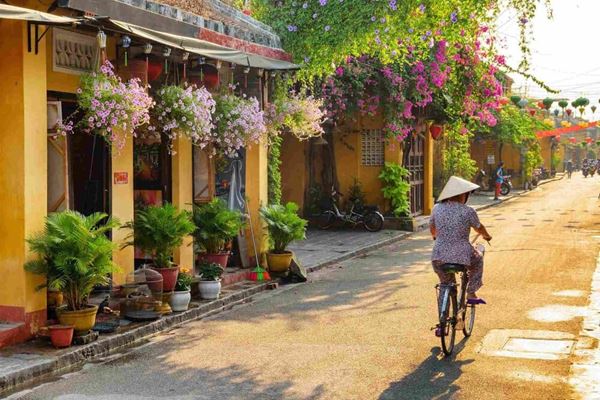
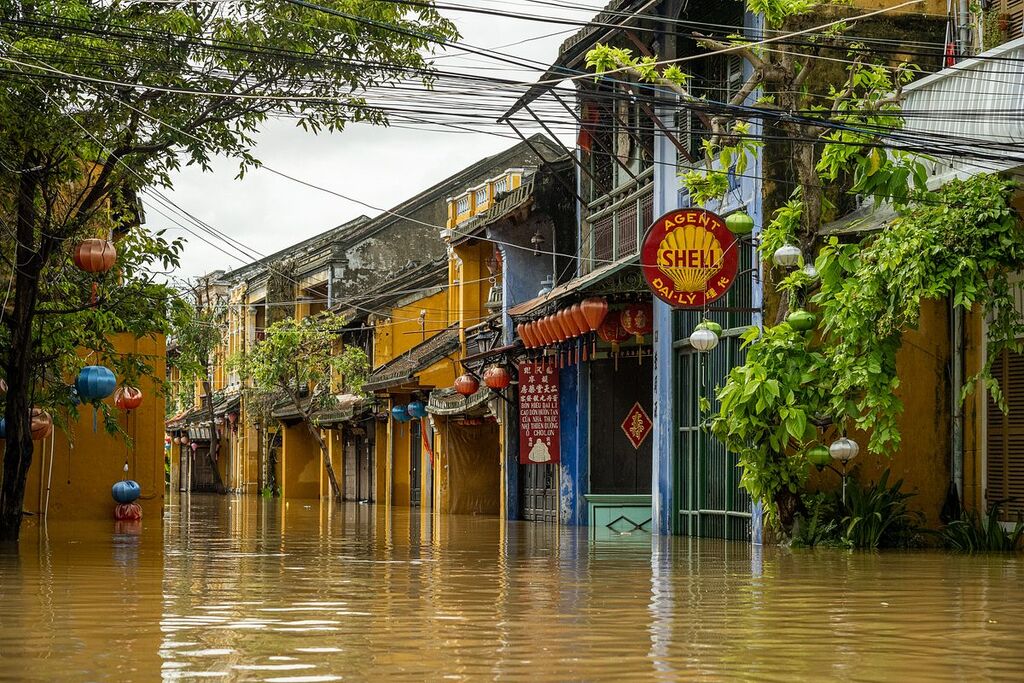
Hoi An flooding is the most photographed example: the riverside old quarter, built low along the Thu Bon river, has flooded in both years, and its UNESCO-listed shophouses are built with raised ground floors precisely because this happens most years, not as a rare disaster. Further north, the same storms can shut Phong Nha's cave system for days at a time, since several of its show caves flood from the same river system.
What it means for a trip: a sightseeing day in Hoi An's Old Town can become a half day of watching water rise over the ankles, which is a strange, often-photographed sight rather than automatically dangerous, but a fast-rising flash flood at night or on a mountain road is a different matter and the reason local guides reroute without much warning in this window. Our team tells friends travelling through Hue and central Vietnam in October and November to build 1 to 2 buffer days into the itinerary rather than booking a tight connection the same day as a flight out of Da Nang.
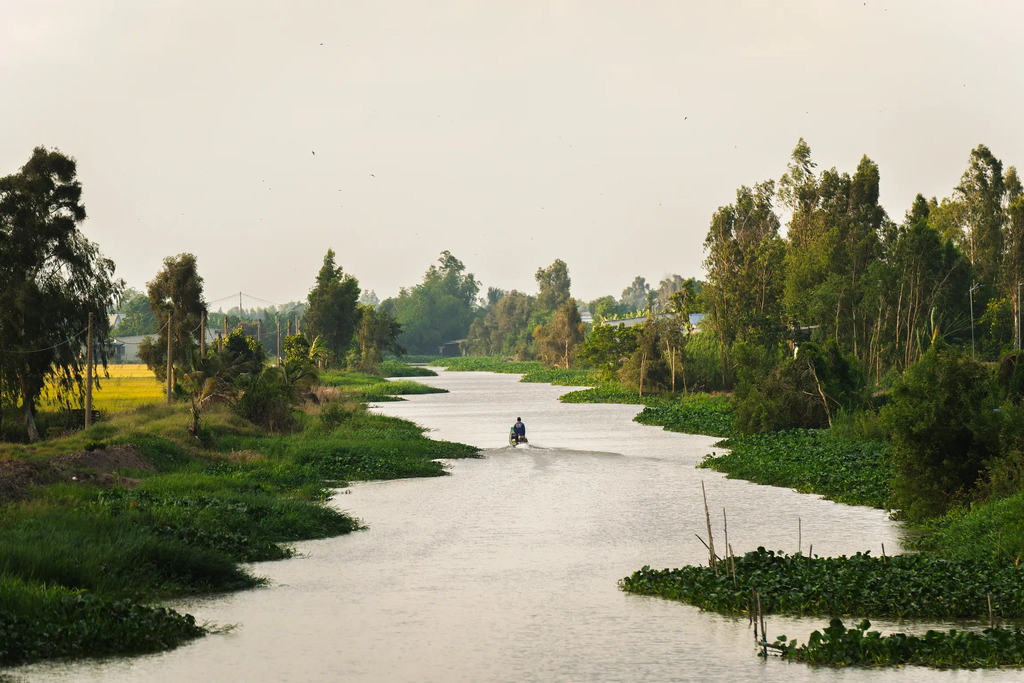
The Mekong Delta's flood season, known locally as mua nuoc noi or "floating water season," runs from roughly August to November and is a planned, largely beneficial event rather than a disaster. Water from upstream rainfall and snowmelt spreads slowly across An Giang, Dong Thap and nearby provinces, replenishing farmland with silt and fish rather than destroying it.
This is the opposite pattern from central Vietnam's flash floods: the Delta's flooding rises and falls over weeks, is largely predictable from upstream river gauges, and locals build their calendar around it. Floating markets run as normal, fishing and lotus harvests peak, and villages on stilts simply live with higher water for a season. Boat trips into flooded forest at places like Tram Chim or a market tour near Chau Doc are often better, not worse, during these months, and a Mekong Delta day trip timed for September or October can show a side of the region a dry-season visit misses entirely.
The risk here is smaller and different: higher-than-normal flood years, like the one Vietnamese agriculture officials flagged for 2026, can submerge low roads between villages and push river ferries to shorter or less frequent schedules, so build in slack if your plan depends on a specific rural road.
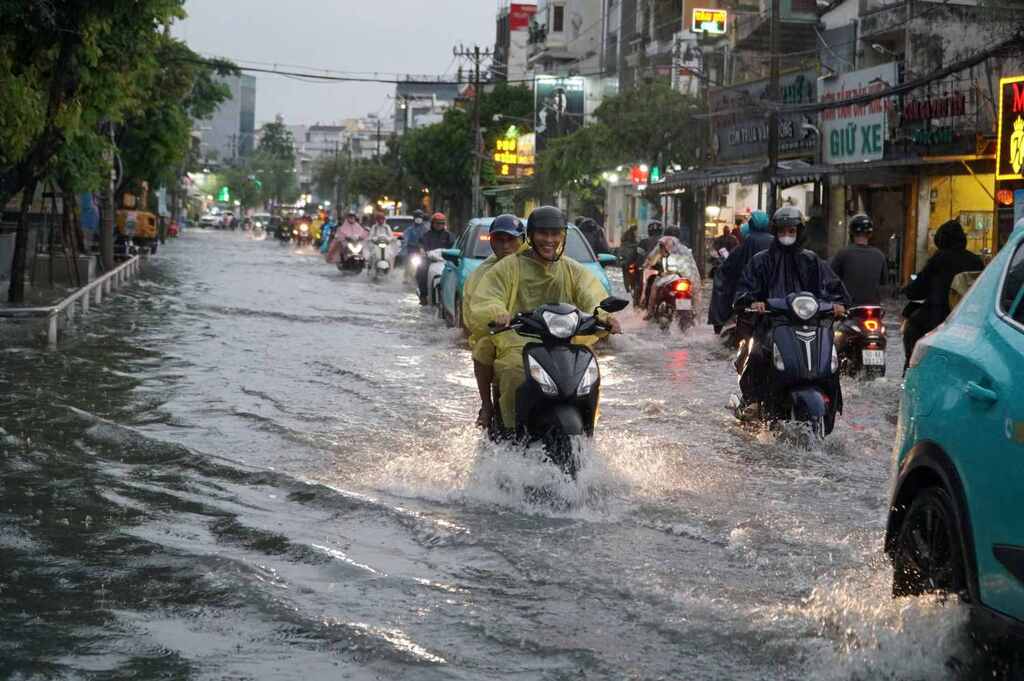
Ho Chi Minh City flooding happens on ordinary heavy rain, not just during storms, because of drainage capacity and land subsidence rather than river flooding. The city has identified 159 flooding hotspots, 57 of them severe, with water sitting above 30cm for more than 90 minutes.
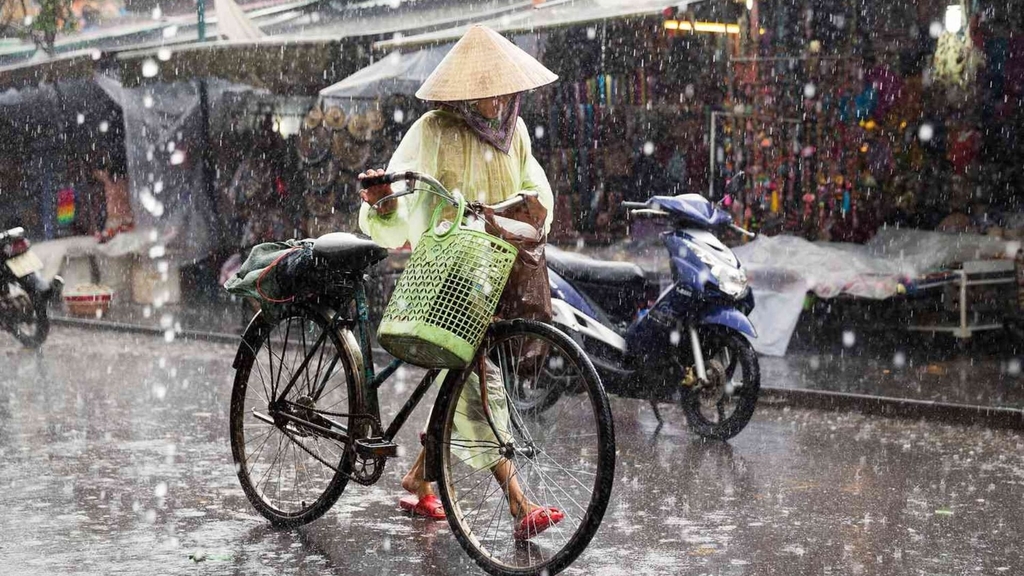
Officials point to three layered causes: intense downpours that outpace the drainage system, tidal surges from the Saigon River, and land subsidence of roughly 2cm a year, reaching 5 to 7cm in the worst spots, with parts of the city sunk 50 to 70cm since 2001. For a visitor this mostly means a flooded crossing on the way home, not an emergency: keep a dry bag for your phone, and treat a sudden downpour around 4 to 6pm, the city's typical rain window, as a reason to sit out another coffee rather than wade a flooded junction on a motorbike.

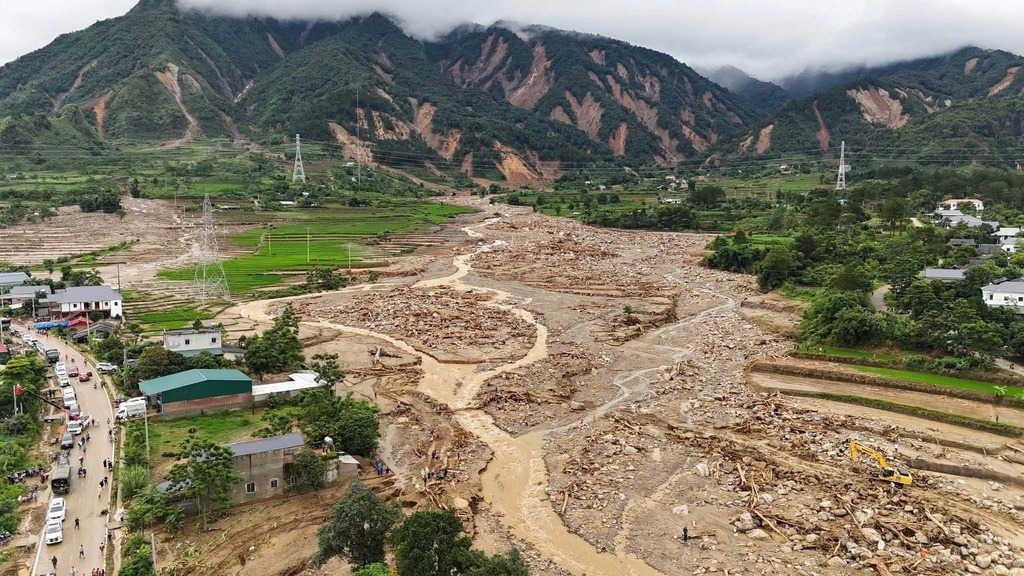
In the mountains of Sa Pa, Ha Giang and Cao Bang, the bigger risk alongside flooding is landslides, where saturated slopes give way onto roads after days of heavy rain. The same September to December window that floods central Vietnam has triggered landslide warnings and road closures further north and northeast in recent years.
These roads are narrow, often cut into hillsides, and a single landslide can close a route for a full day while crews clear it. If you are riding the Ha Giang Loop or self-driving to Sa Pa in this window, check road status the morning of departure rather than the night before, and have a fallback night's accommodation in mind in case a pass closes.
Before a trip touching central or northern Vietnam from September to December, check two things: Vietnam's National Centre for Hydro-Meteorological Forecasting for storm and flood warnings, and your own country's travel advisory, which usually mirrors the same data with less detail.
This window overlaps with the wettest months of the year, and airlines and hotels in affected provinces also post flight and road status directly, usually faster than international news coverage.
Once you are in the country, local hotel staff and guides are the fastest source: they see road and ferry closures before any app updates. During the October 2026 event, flights into Ho Chi Minh City, Hanoi and Da Nang kept running on schedule even as some domestic routes and a regional airport closed for part of a day, so a flooded province rarely means a cancelled international flight, only a possible delay once you land.
Travel insurance for flooding in Vietnam typically only pays out once your government has issued a formal advisory against travel to the affected area, not simply because heavy rain or a flood warning is in the news. Check your own policy's wording for "natural disaster" or "severe weather" cover before assuming you are protected.
| Situation | What usually happens |
|---|---|
| Government advises against travel to the specific province | Most travel insurance and many tour operators allow a refund or date change |
| Flooding reported but no formal advisory | Cancellation terms are the operator's normal policy; insurance rarely pays out |
| Domestic flight or road closed on the day | Airline rebooks on the next available flight; no extra fee |
| You simply want to avoid the risk and reschedule | Treated as a voluntary change, subject to normal fees |
Sources: UK Foreign, Commonwealth and Development Office travel advice for Vietnam; US Embassy Hanoi alerts; airline status reports, October 2026. Checked October 2026.
For a multi-day tour booked directly with an operator, ask specifically what happens if a planned stop is unreachable rather than assuming a blanket weather policy exists. Sondax reroutes itineraries around closed roads or cancelled boat trips where possible rather than cancelling outright, since a flooded road on day 2 rarely affects day 5 in a different province.

For most itineraries the answer is no: plan around flooding rather than avoid Vietnam's wet months entirely, since the riskiest window overlaps with some of the best value and quietest sightseeing of the year. The exception is a short, tightly-timed trip with no flexible days.
Build buffer days around central Vietnam and the northern mountains between September and December, keep travel insurance that actually covers severe weather, and treat the Mekong Delta flood season as a reason to go, not a reason to stay away. If your route runs through Hoi An, Hue or the Ha Giang Loop with no room to shift plans, choosing a lower-risk month by region removes the uncertainty rather than managing around it.

Is it safe to travel to Vietnam during flooding?
Usually yes outside the directly affected province, since flooding is typically regional, not national. Flights into main hubs like Ho Chi Minh City, Hanoi and Da Nang generally keep running; the real impact is local road closures, cancelled boat trips and delayed domestic flights in the specific area affected.
What months have the most flooding in Vietnam?
September through early December brings the highest flash flood and landslide risk to central Vietnam and the northern mountains. The Mekong Delta's separate flood season runs roughly August to November and is a different, mostly beneficial event.
Does flooding close Hoi An Ancient Town?
Not usually entirely. Shops and restaurants built with raised floors often stay open with water on the ground floor, and locals continue business in boots or small boats. A severe event like October 2026 can still force temporary closures of the lowest-lying streets.
Will my flight be cancelled if there is flooding in Vietnam?
International flights to major hubs are rarely cancelled for flooding elsewhere in the country. Domestic flights to or from a directly affected airport are the ones at risk of delay or cancellation, sometimes for several hours at a time.
Can I get a refund if I cancel my Vietnam trip because of flood warnings?
Only reliably if your government issues a formal advisory against travel to that specific area. Without one, cancellation terms follow the operator's normal policy, and most travel insurance will not pay out on a flood warning alone.
Is the Mekong Delta flood season dangerous for tourists?
Generally no. It is a slow, predictable rise in water level that locals plan their year around, not a flash flood. The main practical effect is a changed boat or ferry schedule on some rural routes rather than a safety risk.
Planning a trip through a flood-prone month?
Our multi-day Vietnam tours are built with buffer and rerouting in mind, so a closed road in one province does not derail the rest of the trip.
Best visited during dry season (November to April) for ideal weather.
Book accommodations in advance during peak travel season.
Carry local currency (Vietnamese Dong) for markets and small vendors.
Respect local customs and dress modestly when visiting temples.