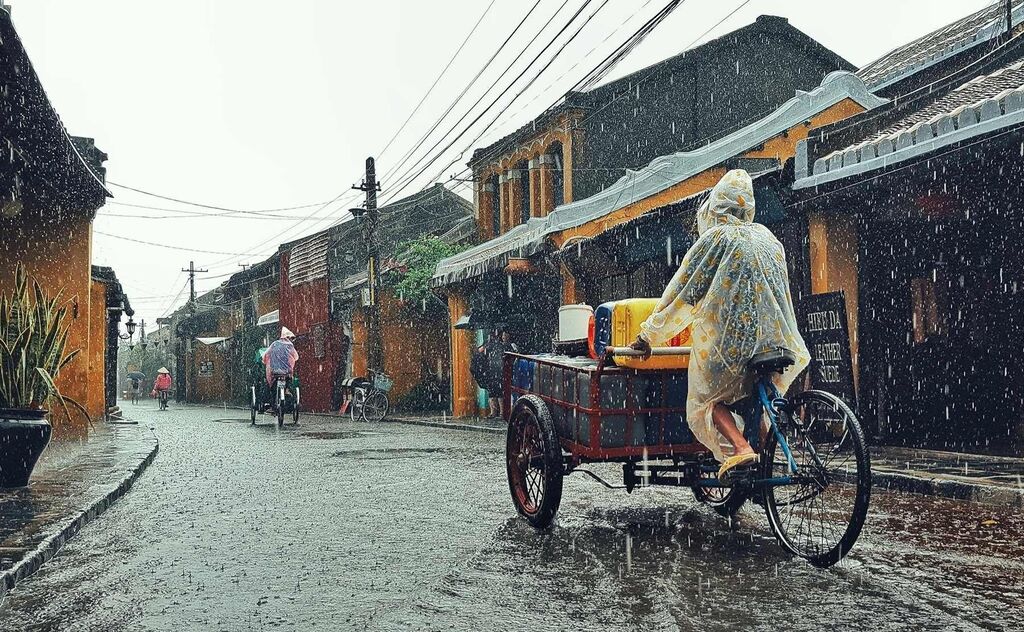

Vietnam typhoon season runs from about June to December, but it moves down the coast as the months pass: the north sees most storms from July to September, the center from September to November, and the south rarely gets a direct hit. On average 6 to 8 storms affect Vietnam each year. When our Hanoi team plans September or October trips for friends, we always leave one free day in the middle of the route, because a typhoon rarely ruins a whole trip but it often takes one day of it.
The short version
Typhoon season in Vietnam usually lasts from June to November, but storms can still reach the central and southern coast in December. September has brought the most landfalls in the long-term record, and about 11 to 13 tropical cyclones enter the East Sea (the South China Sea) each year, of which 4 to 6 make landfall in Vietnam.
The storm track moves south as the season goes on. The 2026 season started late: Tropical Storm Maysak made landfall near Mong Cai on 4 July 2026, nearly a month later than usual, and Storm Narra brought floods and landslides to the north in late August. In February 2026 the national forecasting centre (NCHMF) predicted fewer storms than in 2025, with about 3.8 landfalls from August to December, mostly on the central and southern coast, so the center is still exposed in October and November.
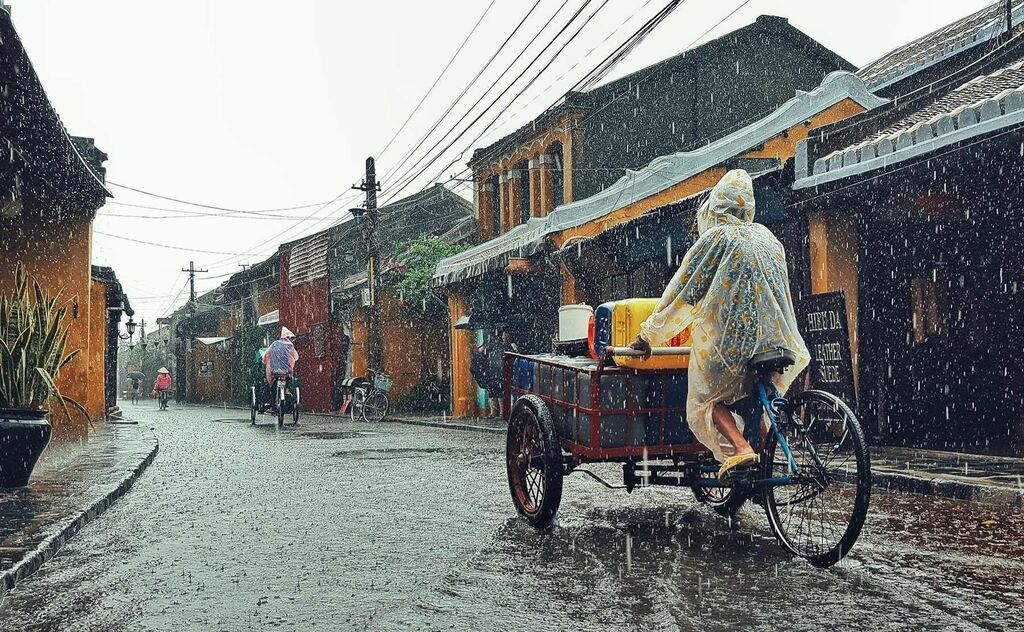
The risk window depends on where you are: the north has its storm peak in August and September, the north-central coast in September, and the central coast in October and November. The south sits below the main storm track, so storms there are rare and usually arrive late in the year, between October and December.
| Region | Storm months | Riskiest | Main travel impact | Recent example |
|---|---|---|---|---|
| North: Hanoi, Ha Long Bay, Sapa | June to September | Aug, Sep | Cruise and ferry stops, landslides | Yagi, Sep 2024 |
| North-central: Nghe An, Ha Tinh, Phong Nha | August to October | Sep | Airport closures, high rivers | Bualoi, Sep 2025 |
| Central: Hue, Da Nang, Hoi An | September to November | Oct, Nov | River floods, short airport closures | Kalmaegi, Nov 2025 |
| South: Ho Chi Minh City, Phu Quoc | October to December (rare) | Nov | Street flooding, island ferry delays | Usagi, Nov 2018 |
Sources: NCHMF seasonal outlook (February 2026), landfall records 1961 to 2014, storm reports from Tuoi Tre News and VnExpress International. Checked October 2026.
In the center, storm months overlap with the heaviest rain of the year, so low streets in Hoi An and Hue can stay flooded after the storm has passed. Rain and storms follow different calendars, so check how the rainy season works in each region too, and see the best time to visit Vietnam for all 12 months.
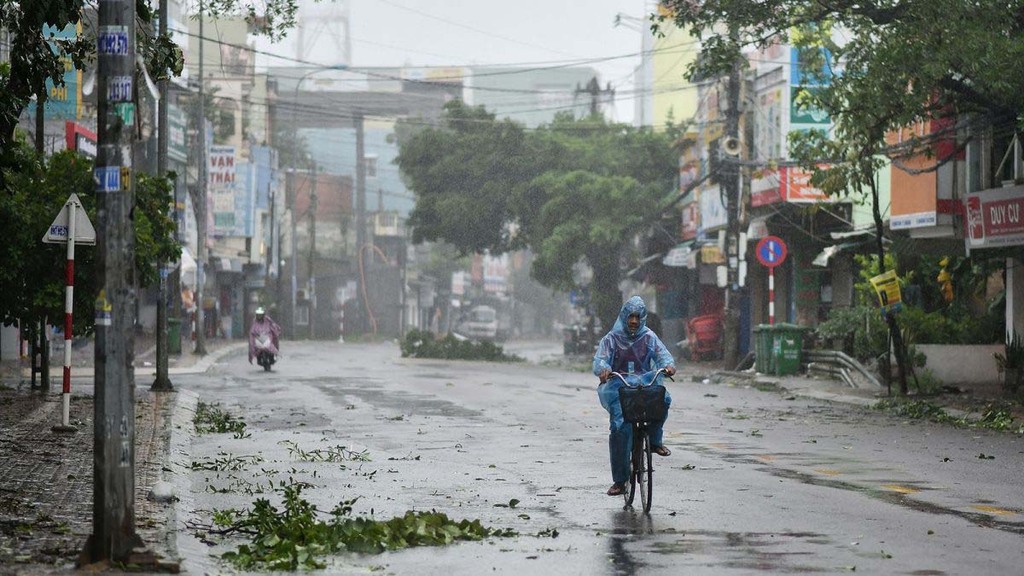
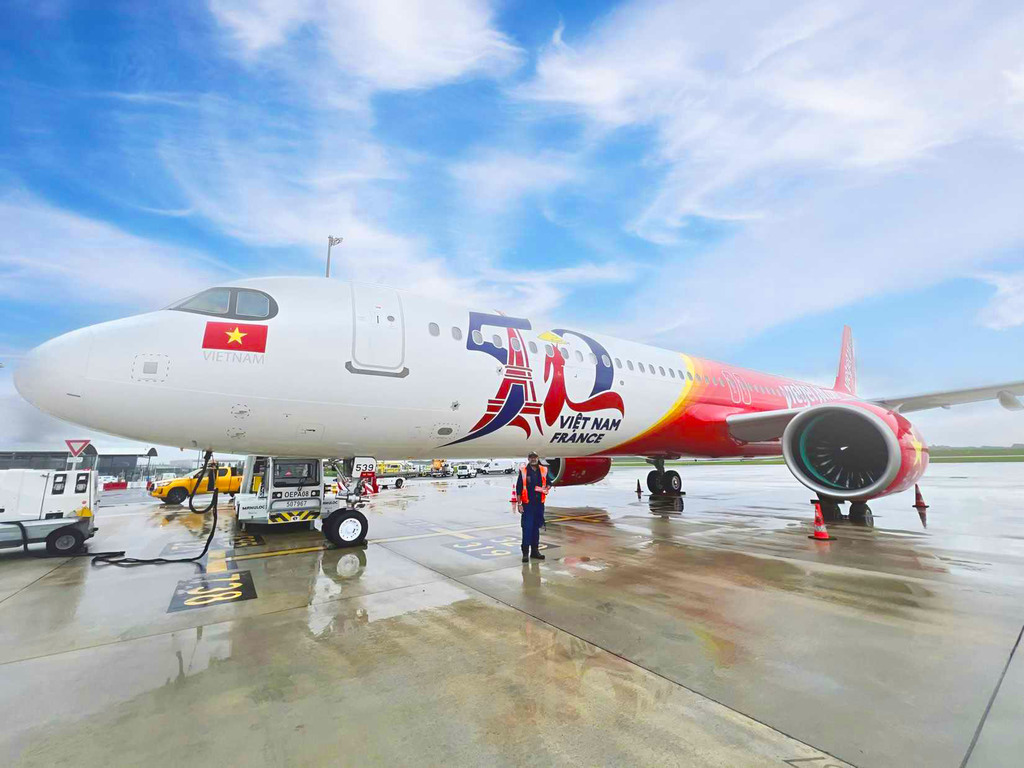
A typhoon usually closes transport for hours or a few days, not weeks. Airports shut for the hours around landfall, the authorities stop boats and island ferries first, and mountain roads close later when landslides follow the rain. The table below uses real closures from 2025 and 2026 to show what you can expect.
| What closes | What happens | Real example | How long |
|---|---|---|---|
| Airports | Flights stop around landfall | Bualoi, 28 Sep 2025: Da Nang 5 hours, Phu Bai (Hue) 6 hours, Dong Hoi 9 hours | Hours, rarely over 1 day |
| Ha Long Bay boats | No departure permits; boats only return guests to shore | Wipha, 20 Jul 2025 | Until the warning ends, often 1 to 3 days |
| Island ferries | Co To, Cat Ba, Ly Son and Phu Quoc ferries stop first | Maysak, Jul 2026: Co To tours paused | Until the sea calms |
| Mountain roads | Landslides block passes, often after the storm | Narra, Aug 2026 | Hours to several days |
Sources: Tuoi Tre News (Bualoi airports, Wipha boat ban), Vietcetera and VnExpress International (Maysak, Narra). Checked October 2026.
Most travel problems come from tight plans rather than the storm itself, such as an international flight out of Hue booked for the morning after a cruise day that could not sail.
Ha Long Bay typhoon season runs from July to September, and the bay is the part of a northern trip that storms disrupt most often, because boats stop before anything else does. In Hanoi and the mountains the bigger risk is heavy rain, which floods city streets for a few hours and can close mountain roads for days.
Typhoon Yagi made landfall at Bai Chay in Ha Long on 7 September 2024 with a pressure of 955 hPa, the strongest storm to reach Vietnam's mainland since at least 1975, and it left more than 320 people dead, many in mountain flash floods and landslides. Smaller storms still stop the cruises: in July 2025 Quang Ninh stopped all departure permits as Typhoon Wipha approached, a day after a tourist boat capsized in a sudden thunderstorm. When you compare overnight Halong cruise routes, check each company's weather policy and book the cruise early in your northern stay. If a storm is coming, move a Sapa trek or the Ha Giang Loop to the end of your trip.

Hoi An typhoon season peaks in October and November, and the same months bring the highest flood risk to Hue and Da Nang. The south is much safer because storms rarely reach Ho Chi Minh City or Phu Quoc, so the southern half of the country is the usual backup when the central coast has a storm warning.
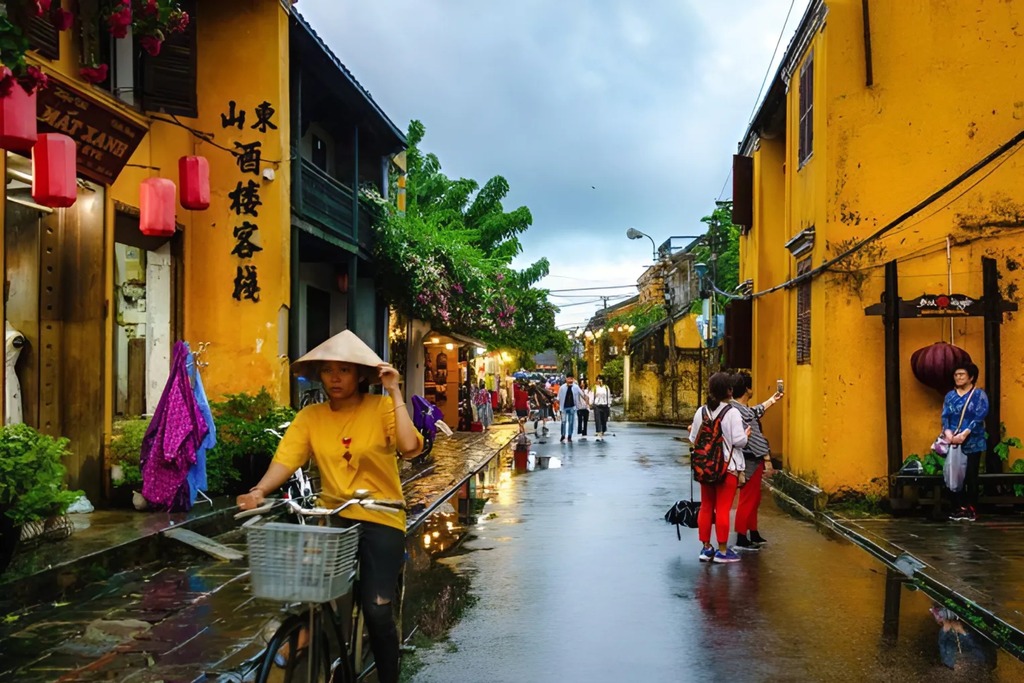
Typhoon Kalmaegi made landfall in Gia Lai (formerly Binh Dinh) on 6 November 2025, while central Vietnam was still dealing with more than a week of floods. In a typical October the bigger problem in Hoi An is the Thu Bon River, which floods low streets in the old town and stops the lantern boats. If you plan to visit the Phong Nha caves, the Son River rises fast in October and November, so cave boat trips can stop for days .
Southern Vietnam has seen few direct hits, and the best-known ones are Durian in December 2006 and Usagi in November 2018, which flooded large parts of Ho Chi Minh City. The more common problem is rough sea, since island ferries stop when the wind picks up. If you plan a week on Phu Quoc beaches between October and December, fly to the island instead of taking the ferry.
Sondax tip: From September to November, book flexible nights in Hue and Hoi An and keep fixed bookings for the south, because plans on the central coast change most often in these months.

For most travelers, yes: you can travel safely during typhoon season if you follow local warnings and keep your route flexible. Forecasters track storms several days ahead, and the authorities close boats, airports and dangerous roads early. The real risks come from floods, landslides and being stuck somewhere, not from the wind itself.
Storms still cause serious harm to people who live on the coast, and Bualoi killed at least 57 people in September 2025, but visitors who follow the closures are rarely in danger. Think twice about these months if you want a central beach holiday in October or November, a Ha Long cruise in August or September with no spare day, or a trip with small children or someone who cannot walk easily.

The most reliable source for Vietnam is the National Centre for Hydro-Meteorological Forecasting (NCHMF, nchmf.gov.vn), which issues storm warnings and track forecasts in Vietnamese. For English updates, read Tuoi Tre News or VnExpress International, and check the Joint Typhoon Warning Center or Windy for maps of the storm's path.
Local notices rarely use the international name, because Vietnam gives each storm that enters the East Sea a number for the year, so Yagi was "storm No. 3" (bão số 3) in 2024. In our Hanoi office we follow the storm number on the evening news, because that is the name the boat and ferry notices use the next morning. Start checking 5 to 7 days before you fly, and don't cancel a whole trip on the first warning, since a storm 3 days away can still change its path.
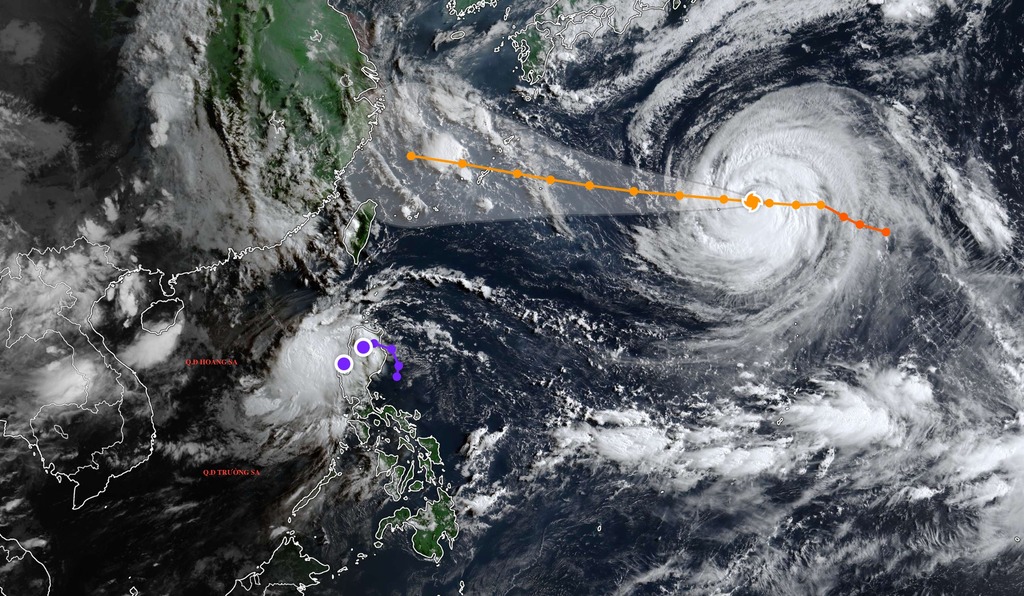
If a typhoon is forecast for your route, move the parts of your trip that depend on a calm sea or open roads, such as cruises, island ferries and mountain drives, and keep city days for the storm itself. Stay indoors during landfall, and wait until local authorities say the roads are open before you travel again.
Don't do this: don't ride the Ha Giang Loop or drive over the Hai Van Pass on the day after a storm, because landslides can still happen a day or two after the rain stops.
Travel insurance helps only if you buy it before a storm has a name, since many policies treat a named storm as a known event and will not pay for the delays it causes.
Which month has the most typhoons in Vietnam?
September has had the most landfalls in the records from 1961 to 2014, mostly in the north and north-central provinces. On the central coast, October and November carry more risk, because storms arrive together with the heaviest rain of the year.
When is Da Nang typhoon season?
Da Nang typhoon season runs from September to November, with the highest risk in October and November. Storms usually close the airport for a few hours, as Typhoon Bualoi did for 5 hours on 28 September 2025. From February to August the city is mostly dry and better for a beach trip.
Does Hanoi get typhoons?
Yes, but Hanoi lies more than 100 km inland, so most storms arrive as heavy rain and gusts that flood streets for a day. Typhoon Yagi in September 2024 was the exception, as it brought down thousands of trees across the city and flooded areas near the Red River for several days.
Is Vietnam storm season the same as the rainy season?
No. Vietnam storm season covers the months when typhoons can reach the coast, mostly June to December, while the rainy season runs roughly from May to October in the north, May to November in the south and September to December in the center. Both peak together on the central coast in October and November.
Planning a trip in the storm months?
Browse our multi-day Vietnam tours and ask our Hanoi team which order of stops works best for your dates.
Best visited during dry season (November to April) for ideal weather.
Book accommodations in advance during peak travel season.
Carry local currency (Vietnamese Dong) for markets and small vendors.
Respect local customs and dress modestly when visiting temples.








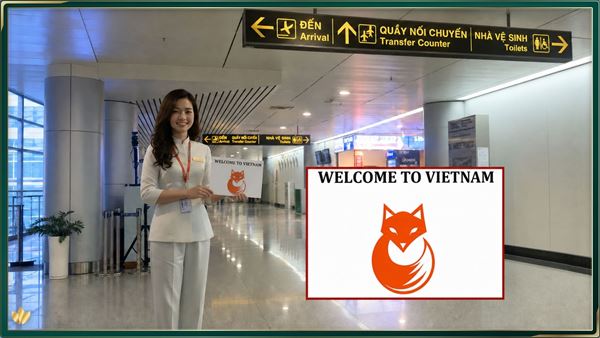
Tan Son Nhat, Ho Chi Minh City
A Sondax host meets your group inside the terminal at Tan Son Nhat and walks you straight to the priority immigration lane.

Noi Bai International Airport, Hanoi
A Sondax host meets your group inside Terminal 2 at Noi Bai and walks you past the queue to the priority immigration lane.

Da Nang International Airport, Da Nang
A Sondax host meets your group inside the international terminal at Da Nang and walks you to the priority immigration lane.
Tan Son Nhat, Ho Chi Minh City
A Sondax host meets your group inside the terminal at Tan Son Nhat and walks you straight to the priority immigration lane.
Noi Bai International Airport, Hanoi
A Sondax host meets your group inside Terminal 2 at Noi Bai and walks you past the queue to the priority immigration lane.