Vietnam visa for medical treatment: what you actually need
Vietnam does not have a medical visa. There is no special entry category for patients, and most international patients do not need a hospital invitation letter or a separate application form. You enter Vietnam on the same tourist entry as any other visitor - either the 45-day visa-free stamp (for eligible nationalities) or the $25 e-visa valid for up to 90 days - and you may receive medical treatment during your stay without restriction.
Medically reviewed by Dr. Nguyen Thi Mai HuongUpdated July 26, 2026
Key Takeaways
No medical visa exists. You enter on a standard visa-free entry or e-visa, depending on your nationality and length of stay, and may access medical care during your stay.
The 90-day e-visa ($25 single entry, $50 multiple entry) covers every medical procedure, including IVF cycles that require 2 to 3 weeks on the ground.
Two-trip treatments like dental implants work with two separate visa-free entries, since the 3-to-6-month healing gap between trips easily satisfies the 30-day re-entry interval.
E-visas cannot be extended inside Vietnam. If your treatment runs longer than planned, you need to exit and re-enter on a new visa.
Check the latest guidance from the Vietnam Immigration Department before travelling or if your treatment schedule changes.
Which visa do you need for medical treatment in Vietnam?
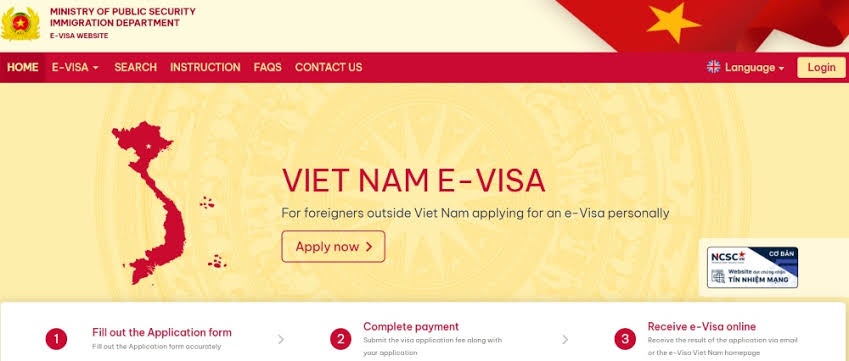
For any procedure under 45 days (which covers the vast majority of medical tourism trips), citizens of the 25+ visa-exempt countries can enter without any application at all. That list includes the UK, France, Germany, Italy, Spain, Japan, and South Korea. Everyone else, and anyone wanting the comfort of a 90-day window, should apply for the Vietnam e-visa online. It takes 3 to 5 business days to process, costs $25 for a single entry or $50 for multiple entries, and is accepted through 42 international border gates designated by the Government.
Entry option
Max stay
Cost
Who it's for
Visa-free entry
45 days
Free
UK, France, Germany, Italy, Spain, Japan, South Korea, and 18+ other nationalities
E-visa (single entry)
90 days
$25 USD
All nationalities; best for IVF, multi-stage dental, or patients wanting a buffer
E-visa (multiple entry)
90 days
$50 USD
Patients who may need to exit and re-enter (e.g., side trip to Cambodia or Thailand during healing)
Sources: Vietnam Immigration Department (evisa.gov.vn), US Embassy Vietnam, verified on 01 July 2026. Visa policies can change; confirm with the official portal before applying.
Most medical tourism procedures fit comfortably within a 45-day visa-free stay. The only cases where you should consider the 90-day e-visa upfront are IVF (which typically requires 2 to 3 consecutive weeks on the ground), multi-stage dental work done in a single trip, or any situation where your doctor recommends an extended recovery period before flying.
90-day e-visa recommended (buffer for delays or additional cycles)
Two-trip treatments: how to handle visa timing for implants and IVF
Dental implants are the most common two-trip procedure. Trip one covers implant placement (3 to 5 days). Trip two, 3 to 6 months later, is for the permanent crown (3 to 5 days). Since the healing gap between trips is months long, the 30-day interval rule between two visa-free entries is satisfied automatically. Each trip is a fresh, short visit with no visa complications.
IVF is different: it usually requires one longer continuous stay (2 to 3 weeks for stimulation, retrieval, and transfer), plus possibly a second shorter trip if a frozen embryo transfer is scheduled later. For the main cycle, the 90-day e-visa gives you the buffer you need in case of schedule shifts or additional monitoring days. Your clinic and concierge can help you plan the exact visa dates once your treatment calendar is confirmed.
Premium Dental Implants in Vietnam
What if your treatment takes longer than your visa allows?
E-visas cannot be extended inside Vietnam, according to the Vietnam Immigration Department and the US Embassy. If your treatment runs longer than expected, you have two options.
In practice, many travellers who need additional time leave Vietnam, submit a new e-visa application from outside the country, and return once the new visa has been approved. You might exit Vietnam (for a day trip to a neighbouring country) and then re-enter on a new e-visa or a fresh visa-free stamp. For example, the Moc Bai border crossing with Cambodia, about 70 km from Ho Chi Minh City, is the most common choice for medical patients in the south.
The alternative is to apply for a visa extension through a local visa agency, which can sometimes arrange a 1-month or 3-month tourist visa extension if you have a Vietnamese sponsor (your hospital or concierge may be able to assist). Processing takes 5 to 7 working days, and success is not guaranteed - apply at least a week before your visa expires. For full details on the extension process, read the Vietnam visa extension guide.
What to know:
Overstaying your visa, even by one day, carries fines under Decree 282/2025. Penalties increase with the length of overstay, and stays over 15 days past expiry can result in deportation and a multi-year entry ban. Do not assume you can sort it out at the airport on departure - plan your visa dates around your treatment timeline from the start, with a buffer.
Health declaration from July 2026
Vietnam's border health requirements may change depending on the public health situation and government regulations.
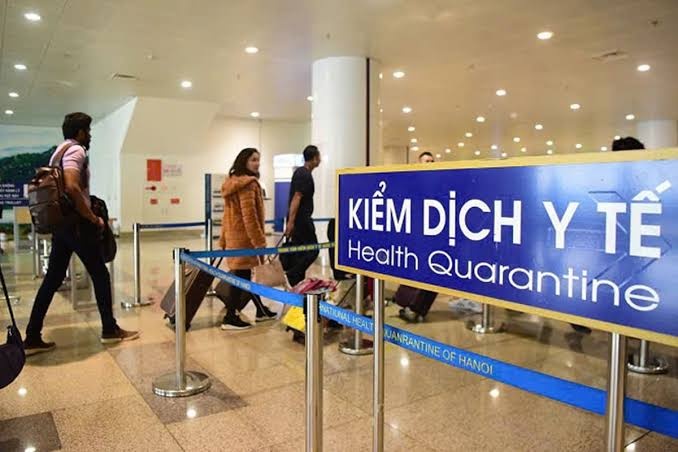
From 1 July 2026, all travelers entering, leaving, or transiting Vietnam must complete a health declaration form (Decree 165/2026/ND-CP). This applies regardless of nationality or visa type. The form must be completed within 7 days before your border crossing and can be submitted electronically or on paper. It is available in Vietnamese and English. Immigration officers may also request proof of vaccination depending on the global health situation at the time of travel. This is separate from your visa and does not affect your entry rights as a medical patient.
Health declaration in Vietnam
Documents to prepare before your medical trip
Your hospital and concierge will tell you exactly what they need, but these are the baseline documents every medical patient should prepare before flying:
Passport valid for at least 6 months beyond your planned exit date, with at least 2 blank pages.
Printed e-visa (if applicable) or confirmation of visa-free eligibility.
Completed health declaration form (from July 2026).
Medical records relevant to your treatment: recent scans, blood work, referral letters, medication list. Translated into English if not already.
International health insurance details (if you have coverage). Many Vietnamese hospitals require upfront payment and give you documentation to claim reimbursement afterward, where eligible.
Return or onward flight ticket. Immigration may ask for proof of departure.
Can you combine medical treatment with travel?
Yes, and many patients do. A health checkup in Hanoi takes one day, leaving the rest of your trip free. Dental patients in Ho Chi Minh City often add a few days in the Mekong Delta while waiting for lab work. IVF patients sometimes use the monitoring gaps between clinic visits to explore Saigon or take a short domestic flight to Da Nang. Your visa covers all of it - there is no restriction on tourist activities while receiving medical care. However, your doctor should confirm whether it is medically appropriate to fly, take long journeys, or travel away from the treating hospital.
FAQ
Is there a medical visa for Vietnam?
No. Vietnam does not currently offer a separate visa category for a medical visa. All foreign patients enter on standard tourist entries (visa-free or e-visa) and can generally receive medical care during an authorised stay. No hospital letter or medical documentation is required at the border.
Can I get a visa extension if my surgery recovery takes longer?
E-visas cannot be extended from inside Vietnam. Your options are a visa run (exit and re-enter on a new visa) or applying for a tourist visa extension through a local agency with a Vietnamese sponsor, which takes 5 to 7 working days and is not always approved. Plan your initial visa dates with a buffer to avoid this situation.
Do I need to show proof of medical treatment to enter Vietnam?
No. Immigration does not ask about the purpose of your medical visit. You enter as a tourist. No hospital appointment letter, no doctor's referral, and no insurance document is checked at the border.
What visa should I get for IVF in Vietnam?
The 90-day e-visa ($25 single entry or $50 multiple entry). An IVF cycle typically requires 2 to 3 continuous weeks, and the 90-day window gives you room for schedule changes, additional monitoring, or a brief rest period after the procedure before returning home.
My nationality is not on the visa-free list. What do I do?
Apply for the standard e-visa at evisa.gov.vn. It is available to citizens of all countries, costs $25 for a single entry, and is processed in 3 to 5 business days. No sponsor or invitation letter is needed.
This article is for general information only and does not constitute medical advice, diagnosis, or treatment. Always consult a qualified healthcare professional regarding your individual circumstances.
Written by
Dr. Nguyen Thi Mai Huong
MD, PhD
Physician-researcher specialising in acupuncture and neuroscience, with a PhD in Acupuncture Science and over a decade of clinical and academic experience.