



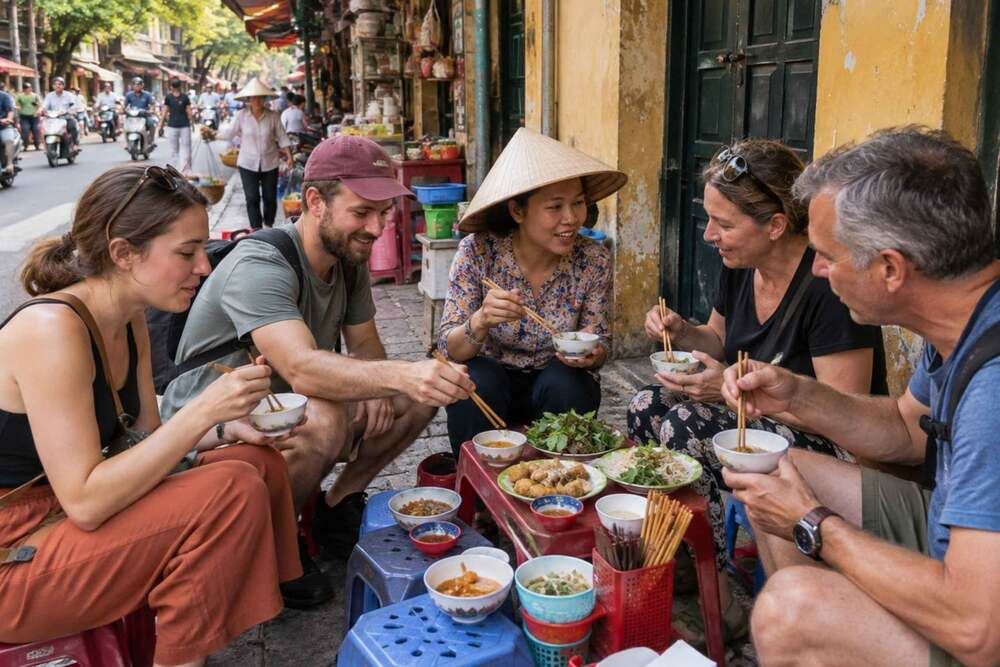

A Vietnam street food guide worth following starts with the plastic stool, not the dish: the best bun cha, banh mi and pho in the country are usually served from a cart or a folding table, cost under 2 USD, and come with no menu at all. This guide covers what to eat, what it costs city by city, and how to pick a stall that will not ruin your trip.
- A full day of street food meals runs about 150,000 to 250,000 VND (6 to 10 USD) per person, depending on the city.
- Most dishes cost 15,000 to 80,000 VND (0.60 to 3.20 USD) each, with banh mi at the cheap end and bun bo Hue or com tam at the higher end.
- Busy stalls with a line of locals and high turnover are the single best safety signal, more reliable than any star rating.
What counts as street food in Vietnam, and who this guide is for
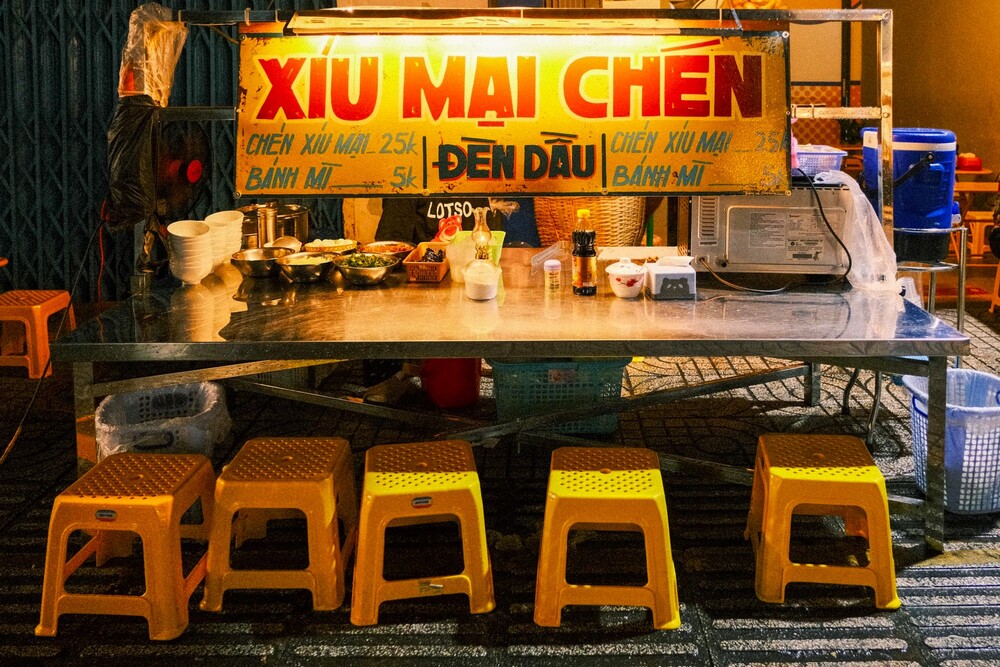
Street food here means anything cooked and sold from a cart, a folding table or a storefront with the shutters open to the sidewalk, usually eaten on low plastic stools rather than at a proper table, often by a vendor who has made the same two or three dishes for decades.
This guide suits travelers who want to eat the way locals actually eat, on a budget well under what a sit-down restaurant charges. Travelers with a sensitive stomach or a tight schedule can still use it, just by leaning on the safer dish choices and stall-picking advice further down rather than skipping street food altogether.
How street food actually works: ordering, paying and sitting down
Most stalls sell one or two dishes, printed on a sign or not written down anywhere, so ordering is often pointing at a bowl someone else is eating or holding up fingers for how many; a handful of small VND notes covers the bill, and tipping is not expected, though rounding up is appreciated.
Seating is almost always low plastic stools, red or blue, pulled up to a low table at ankle height, shared with strangers when the stall is busy. A few customs worth knowing before you sit down make the experience smoother: pointing with a full hand rather than one finger, passing bowls with both hands at a pagoda-adjacent stall, and not waving down a vendor who is mid-cook.
What to eat and what it costs, dish by dish
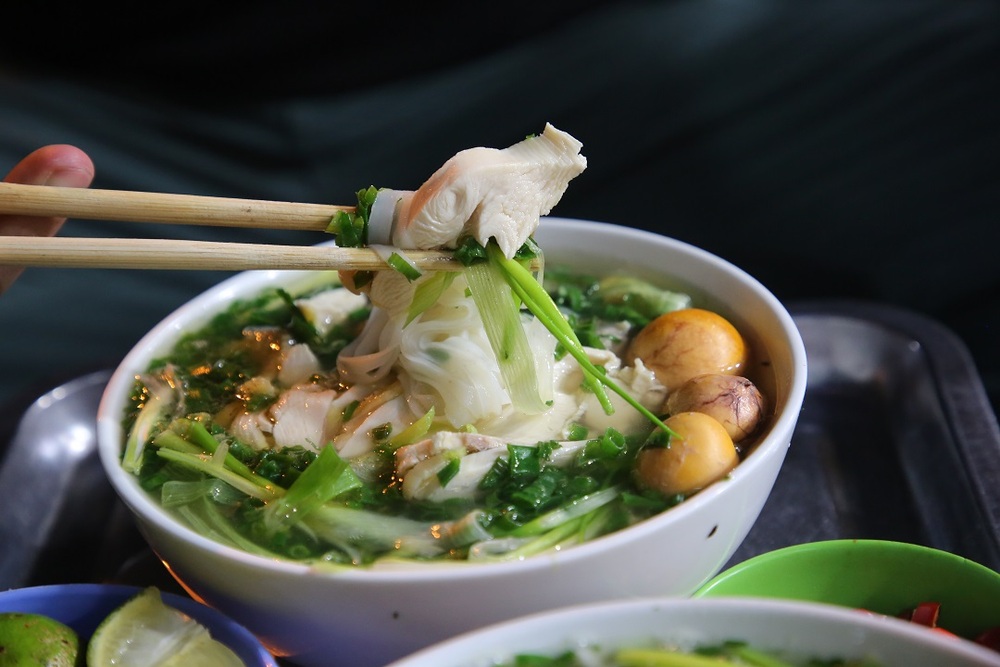
Street prices run from about 15,000 VND for a banh mi to 80,000 VND for a bowl of bun bo Hue, with most everyday dishes landing somewhere in between depending on the city and how close the stall sits to a tourist area.
| Dish | Street price | Tourist-area price | Notes |
|---|---|---|---|
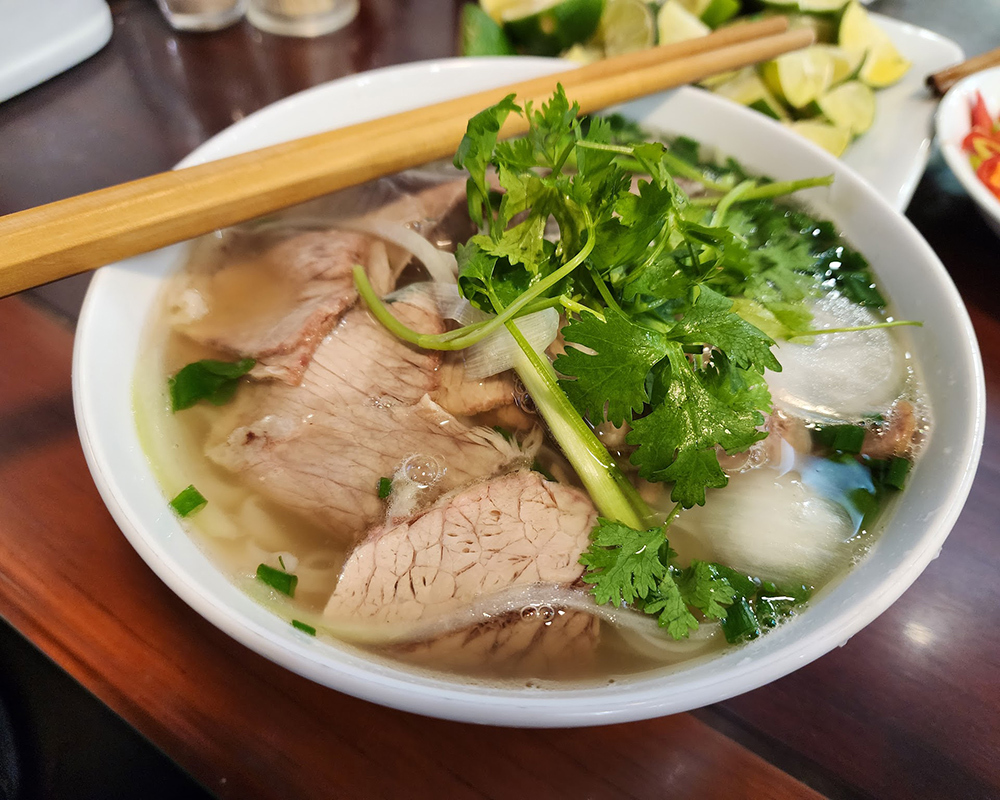
| Pho bo (beef noodle soup) | 40,000 to 80,000 VND (1.60 to 3.20 USD) | Up to 120,000 VND (4.80 USD) | Hanoi's signature breakfast |
| Banh mi | 15,000 to 45,000 VND (0.60 to 1.80 USD) | Up to 70,000 VND (2.80 USD) | Cheapest filling meal on the list |
| Bun cha | 40,000 to 80,000 VND (1.60 to 3.20 USD) | Similar, less markup | Grilled pork and noodles, Hanoi classic |
| Com tam (broken rice) | 35,000 to 70,000 VND (1.40 to 2.80 USD) | Higher in District 1 | Saigon's everyday lunch |
| Bun bo Hue | 35,000 to 70,000 VND (1.40 to 2.80 USD) | Varies | Spicier, central Vietnam |
| Cao lau | 35,000 to 70,000 VND (1.40 to 2.80 USD) | Up to 60,000 VND near Hoi An's lanterns | Only authentic around Hoi An |
Sources: vietnamtourism.com food budget guide, checked November 2026.
A full day of three street meals plus snacks lands at roughly 150,000 to 250,000 VND (6 to 10 USD) in Hanoi, slightly more in Ho Chi Minh City and Hoi An, which is worth keeping in mind alongside a broader first-timer checklist for Vietnam if street food is only one line item in a bigger trip budget.
Hanoi street food: where to start
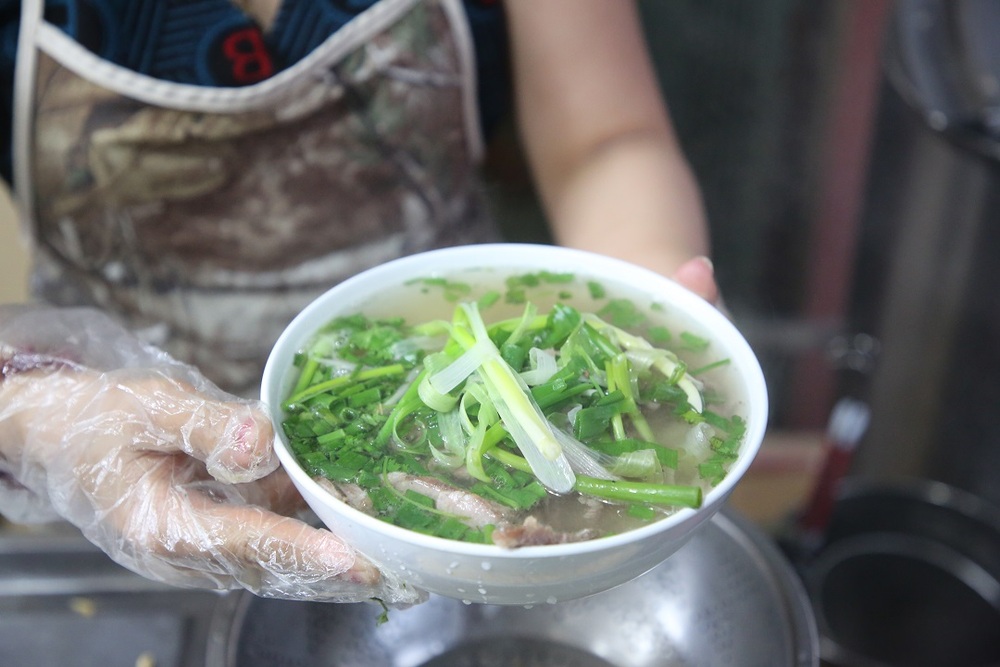
Hanoi's Old Quarter is the easiest place in the country to eat well without planning, a tight grid of streets where pho, bun cha and egg coffee are each sold within a block or two of nearly any hotel, often by vendors working the same corner for decades.
Ta Hien and the surrounding Beer Corner streets turn into an evening food and drink scene after dark, while Dong Xuan Market and the streets around it are better for breakfast pho and a quieter crowd. Travelers with a free afternoon between meals can round out a Hanoi stop with other things to do in Hanoi, since the Old Quarter rewards wandering on foot either way.
Saigon and Hoi An: two very different street food scenes
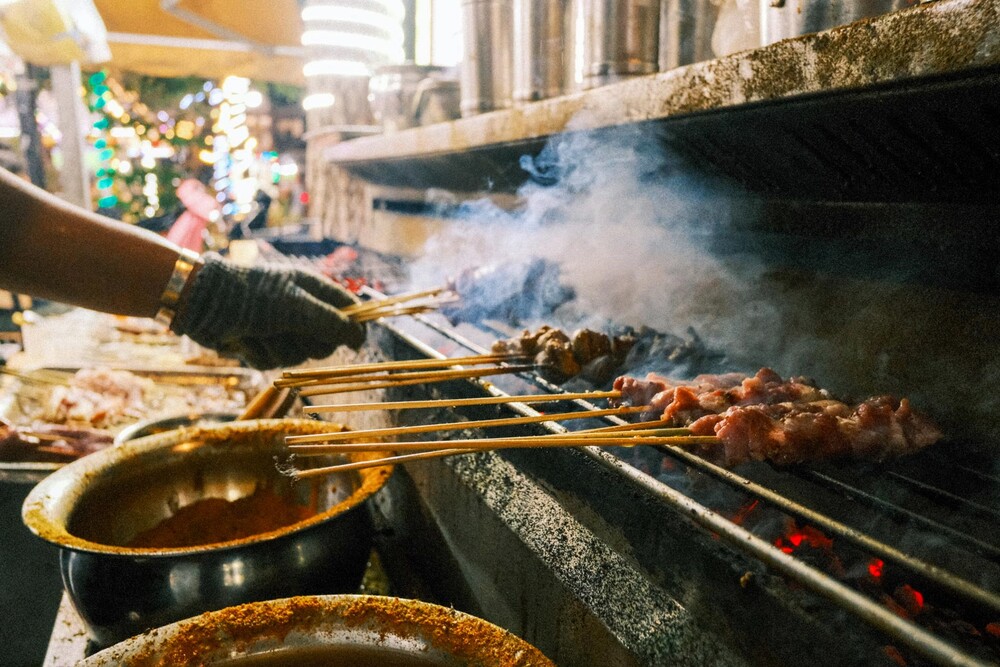
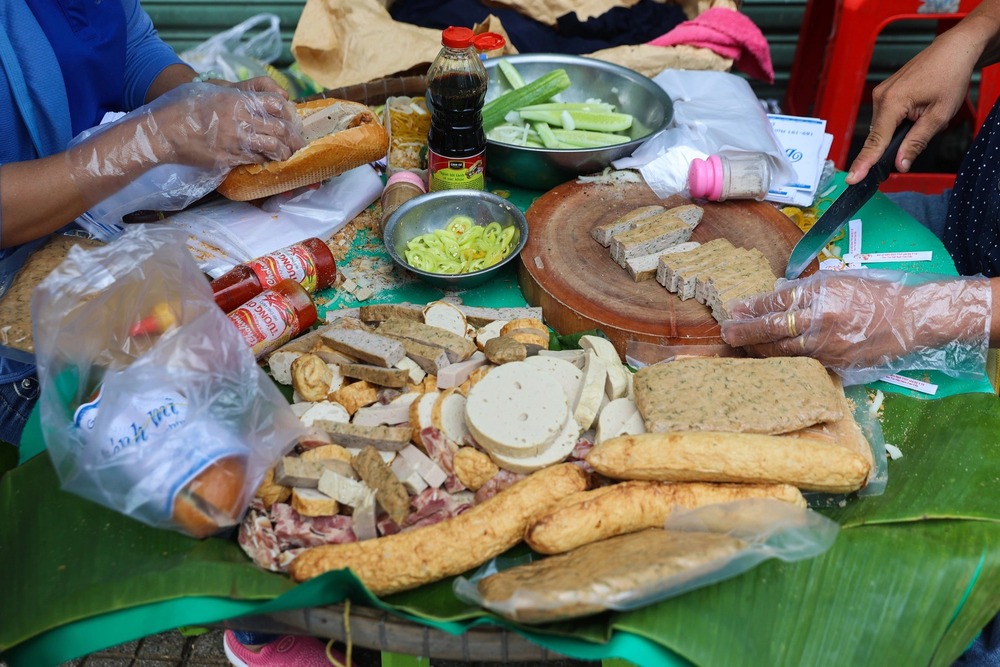
Saigon street food spreads out more than Hanoi's tight Old Quarter grid, with District 1 handling the tourist-friendly version and District 4 known locally as the late-night seafood and grilled-skewer district once office workers head home for the evening, a scene that only really gets going after dark.
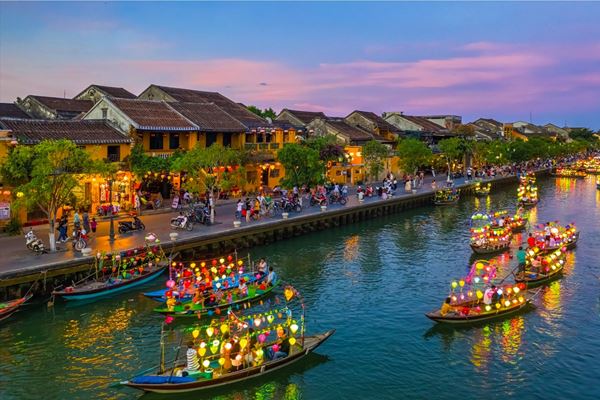
Hoi An street food is smaller and more concentrated: the central market and the lanes just outside the old town walls serve cao lau and white rose dumplings a short walk from nearly anywhere a visitor stays, which makes it one of the easiest cities on this list for a first attempt at street food. Travelers splitting time between the two often pair a few days of things to do in Ho Chi Minh City with a slower stretch around Hoi An's old town, since the pace of eating in each city is almost the opposite of the other.
Choosing a safe stall
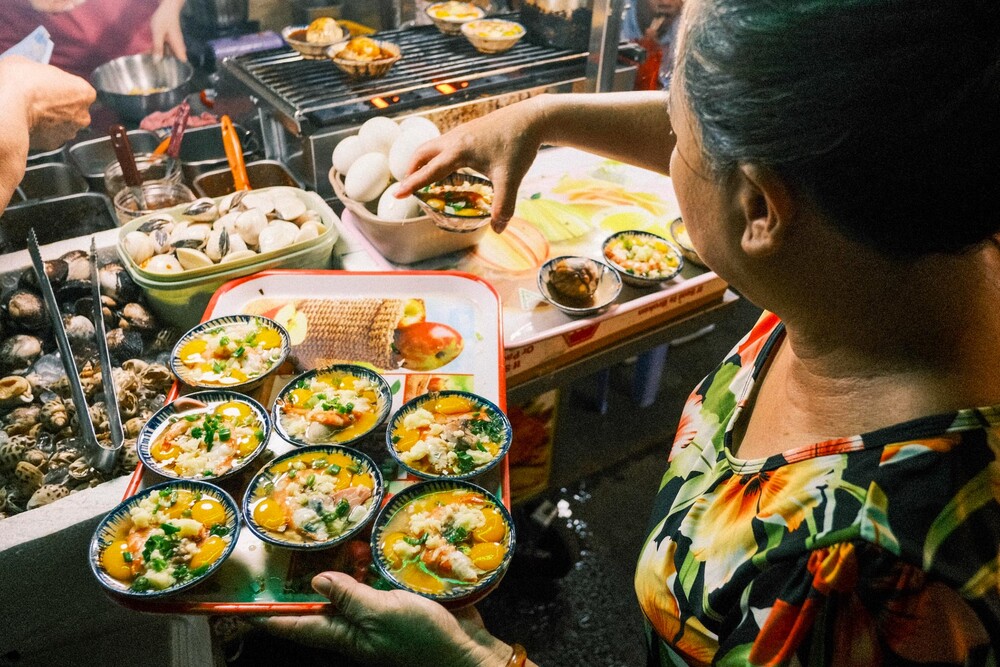
The single best signal is turnover: a stall with a line of locals, or a cluster of parked motorbikes outside, is cooking and selling fast enough that nothing sits around, which matters more for food safety than any rating or review.
Favor stalls cooking at high heat in front of you (frying, boiling, grilling) over anything sitting at room temperature, and skip raw or undercooked dishes, cut fruit, and smoothies if you have a sensitive stomach, since those depend on how the ingredients and ice were handled before you arrived. Our Hanoi-based team still points first-time guests toward whichever stool has the longest queue of motorbike drivers rather than the stall with the nicest sign, since that queue says more than any guidebook ever will.
Best times of day to eat street food
Breakfast pho runs from early morning until about 10 am, when the broth has been simmering since before dawn and is at its best; lunch spots selling com tam or banh xeo pick up from about 11 am to 1 pm as offices break.
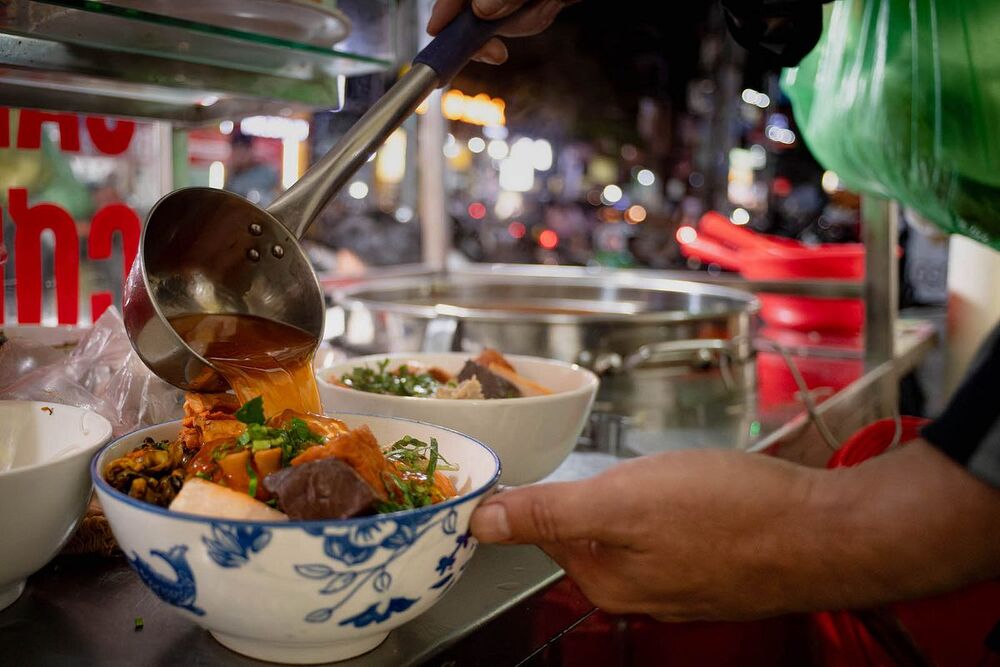
Night markets and late-evening grill stalls take over after dark, especially in District 4 in Ho Chi Minh City and around Hanoi's Beer Corner, where the night market food Vietnam is known for leans toward grilled skewers and sweet snacks rather than the noodle dishes that dominate during the day. Food left out for hours at a busy night market deserves the same turnover check as anywhere else.
Common mistakes first-time visitors make
Most of what goes wrong with street food comes down to a handful of avoidable habits rather than bad luck, and the same mistakes show up again and again among travelers eating this way for the first time, usually within the first day or two of a trip.
- Ordering at an empty stall right at lunchtime instead of one with a line forming.
- Eating cut fruit or ice from a stall with no visible cold storage.
- Expecting a menu and English everywhere, rather than pointing or learning a dish name in advance.
- Skipping breakfast pho because it feels too early, then missing the best version of the day.
- Tipping heavily out of habit, which is not expected and can confuse a street vendor.
FAQ
Is street food safe in Vietnam?
Most travelers eat street food throughout their trip without any issue, especially at busy, high-turnover stalls cooking food fresh in front of them; choosing those stalls over quiet or empty ones is the main thing that affects the odds.
What should I try first?
Pho and banh mi are the easiest entry points: both are hot, familiar in structure to most Western palates, and sold everywhere, which makes them a good first stop before branching into spicier or less familiar dishes.
Do you need to tip at a street food stall?
No. Tipping is not expected at street stalls, though rounding up a small amount is common and appreciated, especially for a particularly good meal.
Is there vegetarian street food in Vietnam?
Yes, though it takes more asking: banh xeo and many noodle dishes can be made without meat on request, and some pagodas and market areas have dedicated vegetarian stalls, especially around the 1st and 15th of the lunar month.
How to eat street food in Vietnam without speaking the language?
Pointing at what someone else is eating, holding up fingers for quantity, and having a few dish names saved on your phone covers almost every situation; most vendors are used to tourists doing exactly this.
Our cooking class that starts at the market pairs a guided food market visit with hands-on cooking, a good way to learn what you are eating before heading out to stalls on your own.




Comments